Duffy Defends Family Road-Trip Series Amid Backlash
Sean Duffy and Rachel Campos-Duffy filmed The Great American Road Trip, a five-part YouTube series for the nation's 250th, and said a nonprofit paid production costs amid criticism over sponsors and rising gas prices.
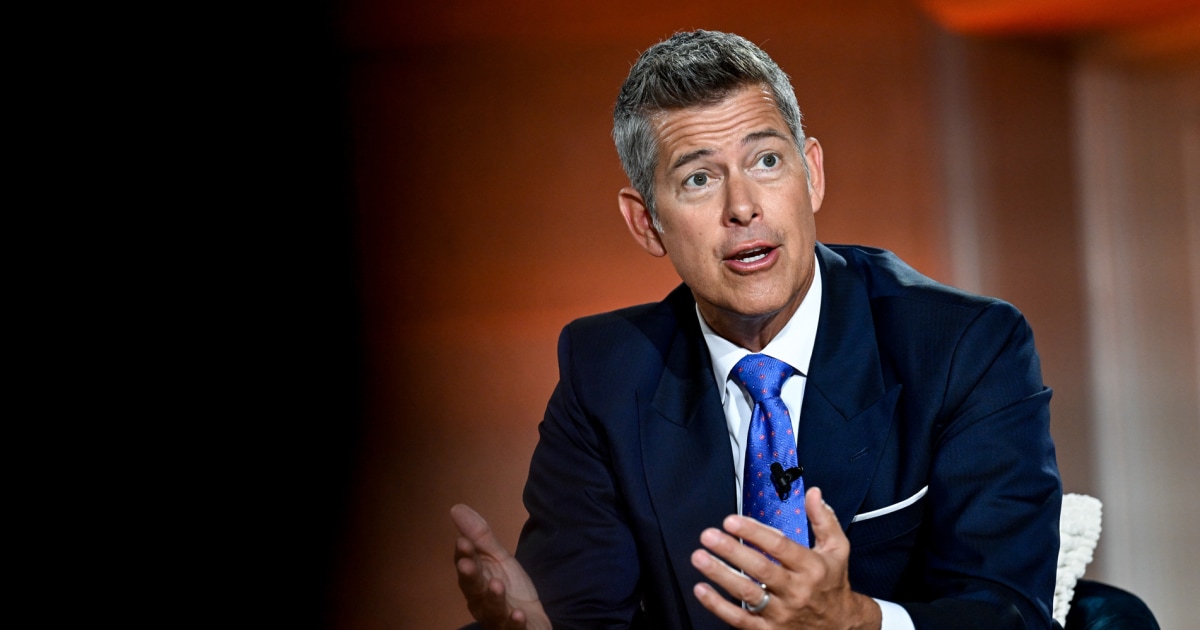
 NBC News
Transportation Secretary Sean Duffy defends new reality show amid backlash
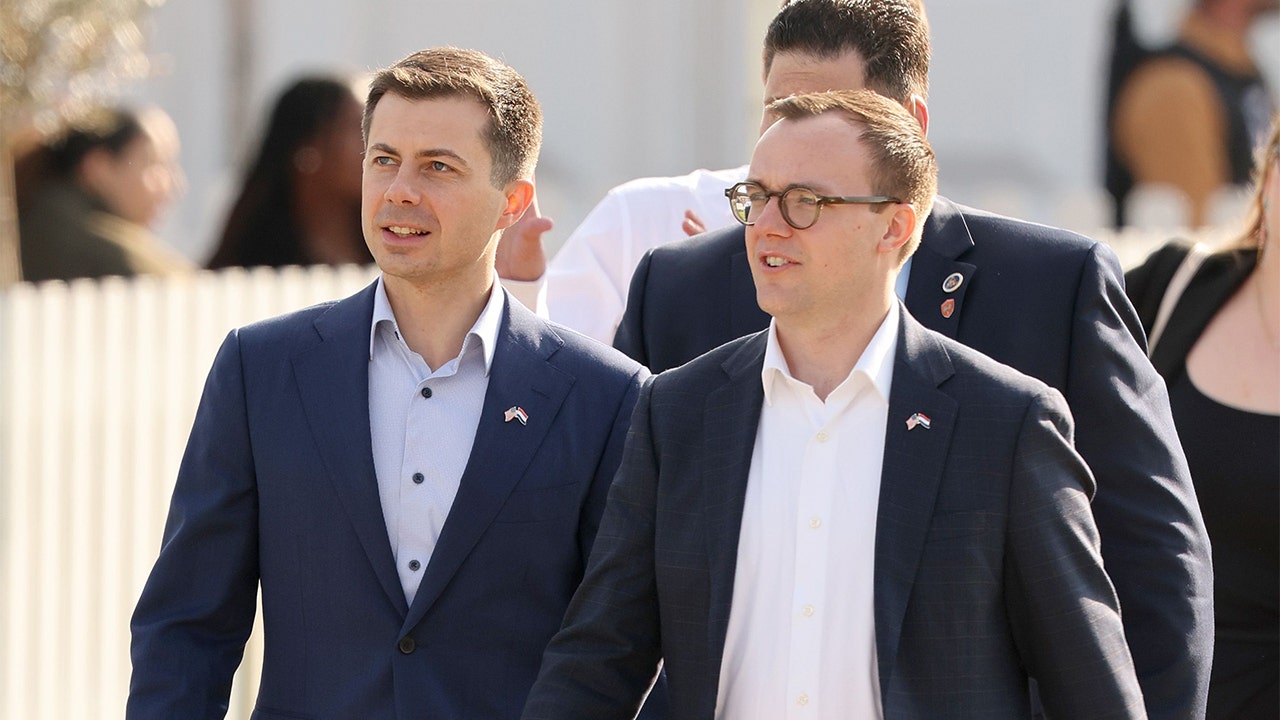
 FOX News
Duffys fire back after Pete Buttigieg, husband attack new road trip TV series: 'Radical, miserable left'

 Daily Beast
Trump Goon Melts Down Defending ‘Wholesome’ Vacation Ad
 Political Wire
What the Transportation Secretary Has Been Up To
Overview
Transportation Secretary Sean Duffy defended his five-part YouTube series The Great American Road Trip, saying a nonprofit paid all production costs and that he and his family received no salary or royalties.
The series was produced to celebrate the United States' 250th anniversary and has attracted scrutiny because average fuel prices climbed to more than $4.50 per gallon, up roughly 50% since the U.S. entered war with Iran in late February.
Former Transportation Secretary Pete Buttigieg and his husband, Chasten Glezman Buttigieg, criticized the project as out of touch, other Democratic politicians echoed the critique, and DOT spokesman Nathaniel Sizemore publicly defended the secretary.
Critics pointed to potential conflicts of interest because listed sponsors include Boeing, Toyota, Shell, Royal Caribbean Group, United Airlines and Comcast/NBCUniversal, some of which are regulated by the Transportation Department.
Duffy said filming took place over seven months and that career ethics and budget officials reviewed and cleared his participation, while his wife said production occurred in short one- and two-day stops and the Department called the nonprofit independent.
Analysis
Center-leaning sources frame Duffy’s road trip as light spectacle rather than substantive policy news, using playful, skeptical language (rhetorical questions, 'don’t worry') and selective context (gas prices, work obligations). They foreground the reality-show angle and Fox & Friends appearance, treating quoted details as source content while editorializing through tone and emphasis.