Thousands Attend Rededicate 250 Prayer Rally
Freedom 250's National Mall event drew thousands, featured a Trump Bible reading, and drew criticism over government backing and church-state concerns.
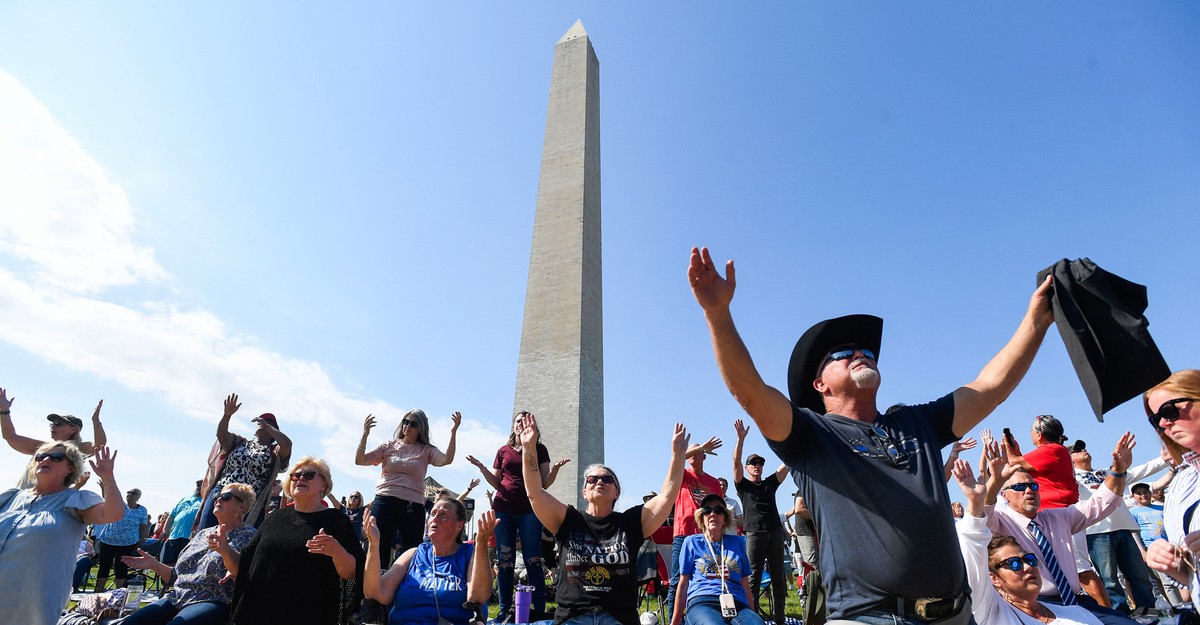
 The Atlantic
The Most Interesting Part of Trump’s Prayer Rally
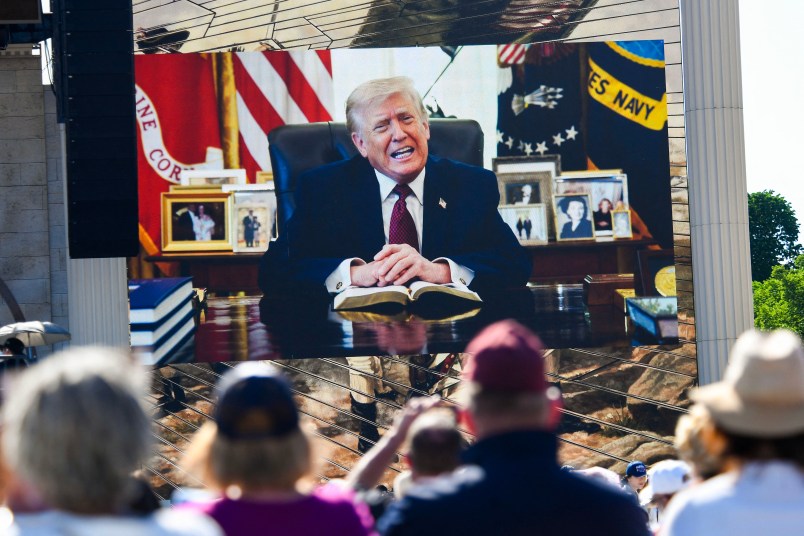
 TPM
TPMTrump’s Evangelical Allies Gather in DC for Prayer Marathon, Push to Further Erode Church-State Divide
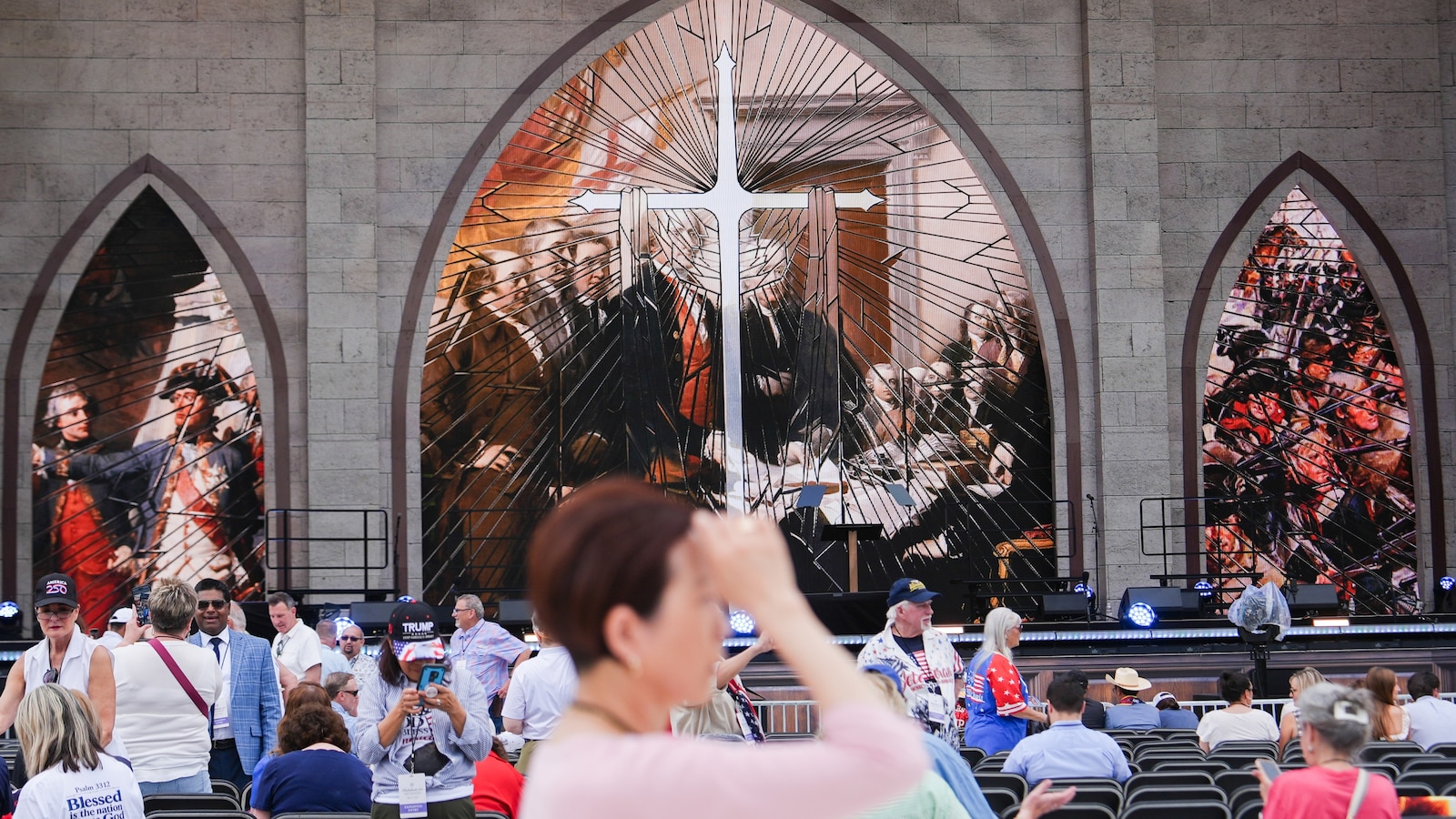
 ABC News
Thousands flocked to the National Mall in Washington for an America-themed prayer rally
 Daily Beast
Trump Humiliated as Citizens Fail to Flock to His Free Event
 FOX News
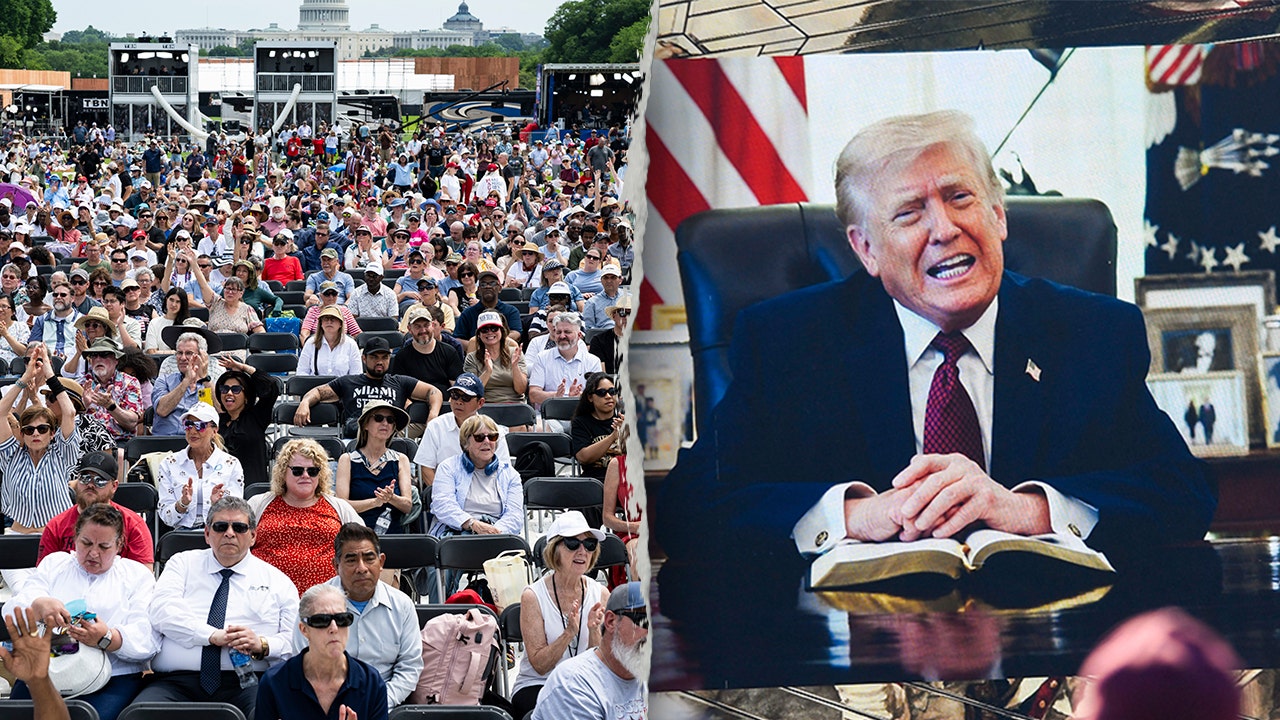
Trump reads Bible as thousands pack National Mall for America 250 prayer rally
Overview
Thousands streamed onto the National Mall Sunday for Rededicate 250, billed as a rededication as 'One Nation under God,' and President Donald Trump appeared in a prerecorded video reading 2 Chronicles 7:14.
The rally was part of Freedom 250, a White House-backed public-private partnership for semiquincentennial events that includes donors Exxon Mobil, Lockheed Martin and Palantir and for which Congress allocated $150 million.
Critics said reliance on government funds and administration officials' participation risked promoting a narrow Christian nationalism, while Congressional Democrats questioned Freedom 250's structure and finances and progressive groups staged counterprogramming.
Organizers said the event ran roughly eight to nine hours and drew thousands, with attendees queuing more than three hours by 10 a.m. and spending long hours in the sun, reporting showed.
Freedom 250 said the gathering is part of a broader effort leading up to the semiquincentennial on July 4, 2026, while Democrats continue to press questions about the nonprofit's structure and finances.
Analysis
Center-leaning sources frame the rally as a politically inflected Christian-nationalist event by emphasizing White House backing, Republican speakers, and critics’ warnings while foregrounding religious imagery onstage. Editorial choices—placement of political names, selection of critical voices, and inclusion of counterprotests—shape the narrative; attendee quotes and scriptural readings remain source content rather than editorial assertions.