Supreme Court Denies Florida Bid Over Immigrant Truck Licenses
High court refused Florida's request to sue California and Washington over CDLs issued to immigrants after a crash that killed three people.
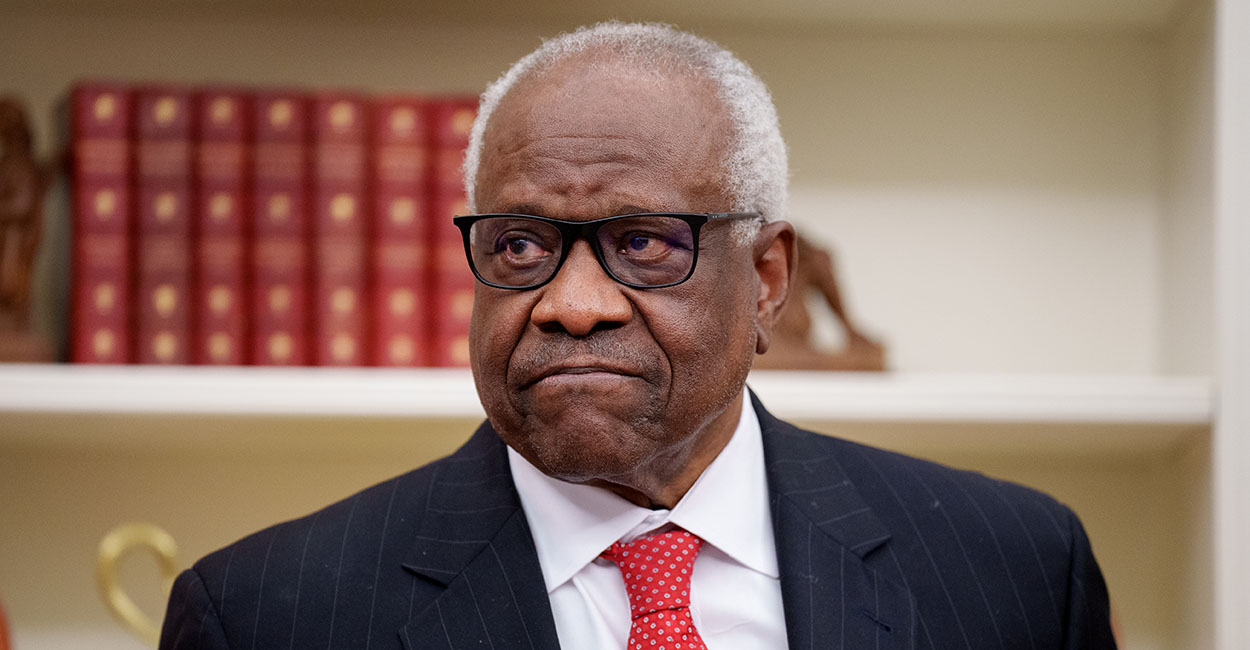
 Daily Signal
Clarence Thomas Weighs in on Illegal Alien Driver's Licenses

 MS NOW
Thomas and Alito dissent from refusal to let Florida sue California over driver’s licenses
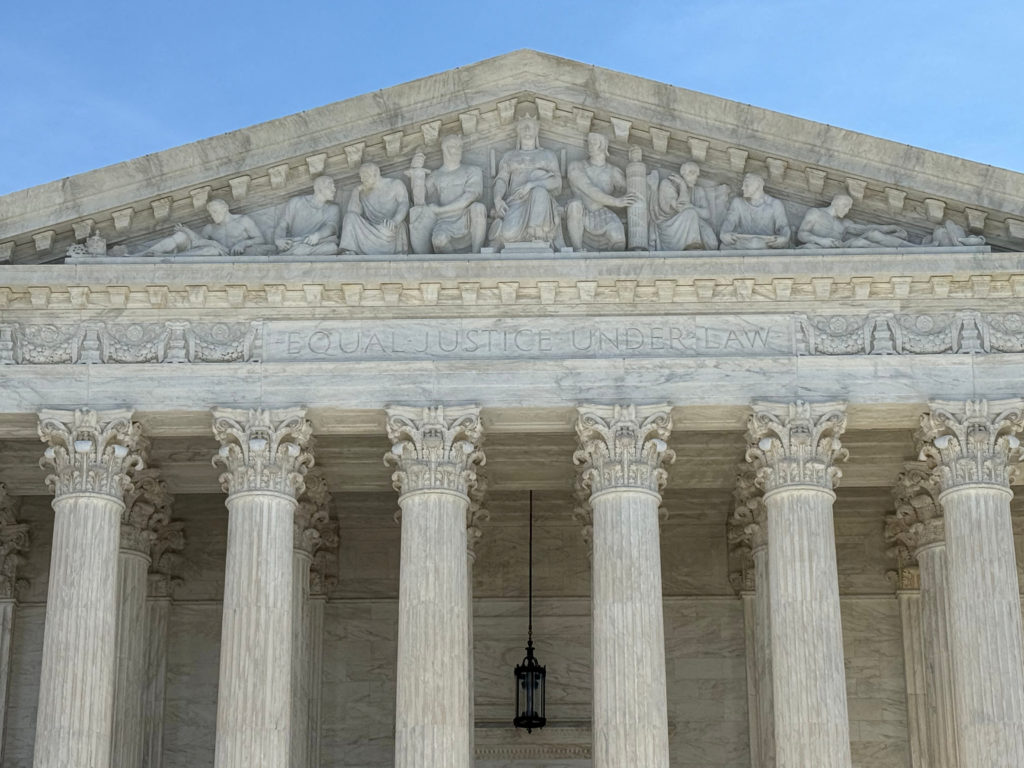
 PBS NewsHour
Supreme Court rejects Florida's bid to sue Western states over commercial driver's licenses for immigrants

 Raw Story
Justice Clarence Thomas' latest dissent mocked and criticized by legal experts
Overview
The Supreme Court on Tuesday refused Florida's bid to sue California and Washington over their issuance of commercial driver's licenses to people not authorized to be in the United States, with Justices Clarence Thomas and Samuel Alito dissenting.
The dispute stems from an August 2025 Florida crash that killed three people after driver Harjinder Singh, who obtained a California CDL and had earlier been granted one by Washington, allegedly made an illegal U-turn.
Florida Attorney General James Uthmeier accused California and Washington of defying federal law by licensing nondomiciled drivers without English proficiency, while California Attorney General Rob Bonta said the DMV verifies legal presence through the SAVE database.
The Transportation Department pressured California to cancel 20,000 nondomiciled licenses and announced it would withhold $73 million from New York, and federal rules are shaping immigrant eligibility for commercial driver's licenses.
Florida sought a court order barring states from issuing CDLs to noncitizens and non-lawful permanent residents, and the Supreme Court's refusal leaves administrative actions and litigation as the next steps.
Analysis
Center-leaning sources frame the dismissal as a politically driven, long-shot gambit rather than a substantive legal claim, emphasizing Florida AG Uthmeier’s Fox News announcement and labels such as "political stunt." Editorial choices—calling the suit "long-shot" and highlighting conservative motives—guide readers toward skepticism, while quoted phrases like "open defiance" remain source content.