DHS Threatens To Pull CBP From Newark Over Detention Protests
Mullin said on May 28 DHS may reassign CBP officers from Newark Liberty International Airport to protect ICE staff at Delaney Hall amid protests and a detainee hunger strike.

 USA TODAY
Could international flight processing be stopped? Latest DHS showdown
 Raw Story
Internet erupts as Fox News host praises plan to paralyze airports: 'Idiotic'

 Truthout
DHS Secretary Claims Plans Underway to Stop Intl Flights from Sanctuary Cities
![Airline And Hotel Groups Condemn Mullin's Plan To Halt International Flights To Blue "Sanctuary Cities" [VIDEO] - Joe.My.God.](https://www.joemygod.com/wp-content/uploads/2026/05/deeplan2.png)
 Joe.My.God.
Airline And Hotel Groups Condemn Mullin's Plan To Halt International Flights To Blue "Sanctuary Cities" [VIDEO] - Joe.My.God.
Overview
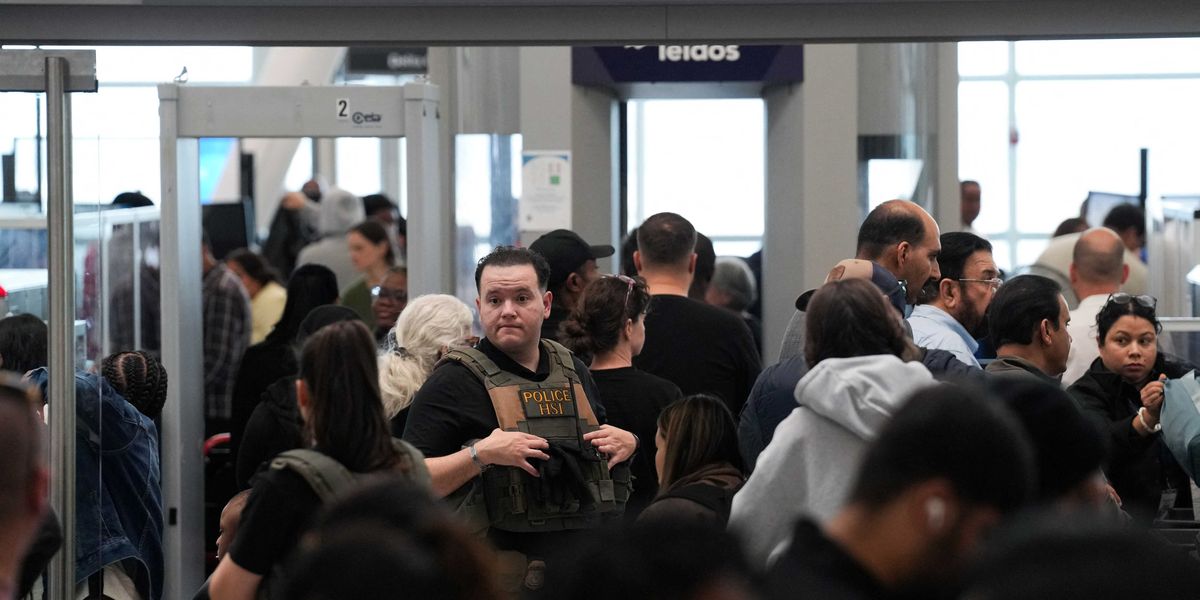
On May 28 Homeland Security Secretary Markwayne Mullin said DHS would shift CBP personnel from Newark Liberty International Airport to protect officials at Delaney Hall, which could delay processing of international arrivals.
Detainees launched a hunger strike on May 22 and protesters have clashed repeatedly with federal agents outside Delaney Hall over alleged food shortages and lack of medical care.
The detention facility holds roughly 300 detainees, and reports of poor living conditions have drawn visits from Democratic lawmakers including Sen. Corey Booker and Gov. Mikie Sherrill.
Travel industry groups including Airlines for America warned that reducing Customs and Border Protection staffing at major airports would have devastating consequences for carriers, travelers and international cargo.
Mullin said he is drawing up plans to stop processing international flights into so-called sanctuary jurisdictions where local and state governments limit cooperation with federal immigration officials.
Analysis
Center-leaning sources frame the story as an industry-backed rebuke of administration threats by foregrounding airline and hotel warnings, using evaluative verbs ('slammed', 'devastating') and juxtaposing officials' rhetoric with economic consequences. They emphasize trade-group voices and omit robust administration rationale or local officials' responses, creating a narrative of regulatory overreach.