Bondi Defends Epstein Files as Survivors and Lawmakers Demand Answers
Former Attorney General Pamela Bondi defended the Justice Department's release of millions of Epstein files and declined to answer questions about President Trump during a transcribed House interview.
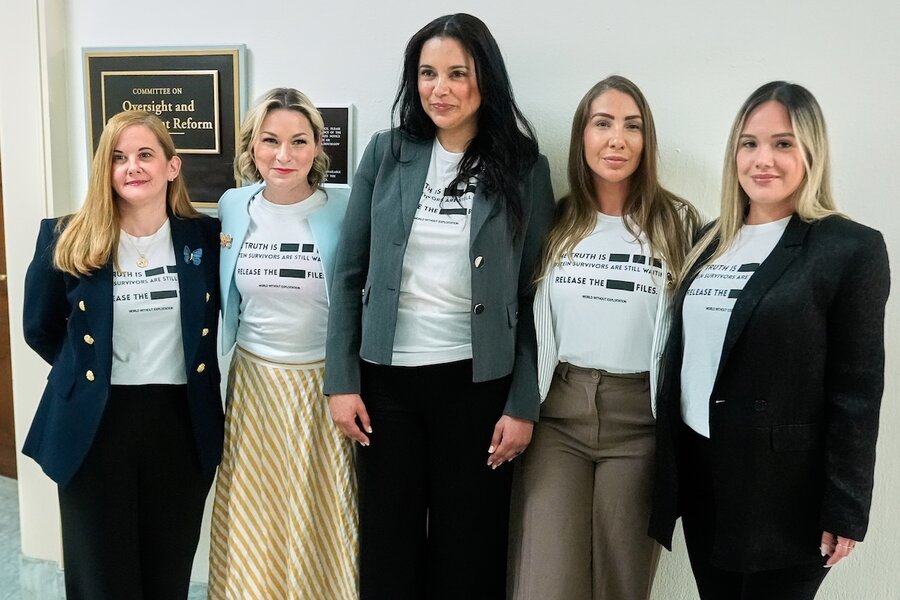
 Christian Science Monitor
As Epstein investigation stalls in Congress, survivors search for accountability
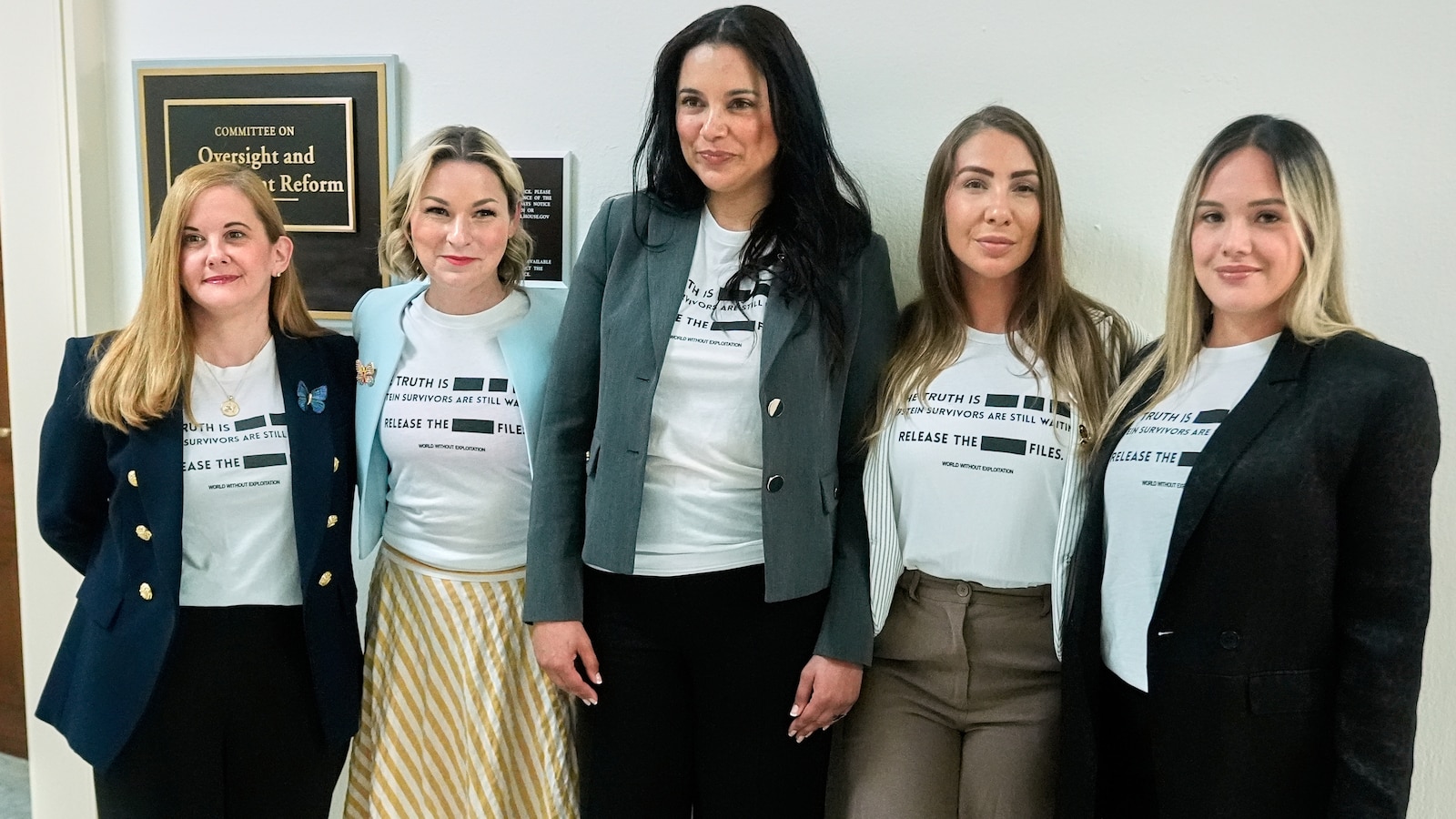
 ABC News
Congress has taken on Epstein. But lawmakers and survivors are still searching for accountability

 MS NOW
Opinion | On the Epstein files, Pam Bondi tries to evade accountability
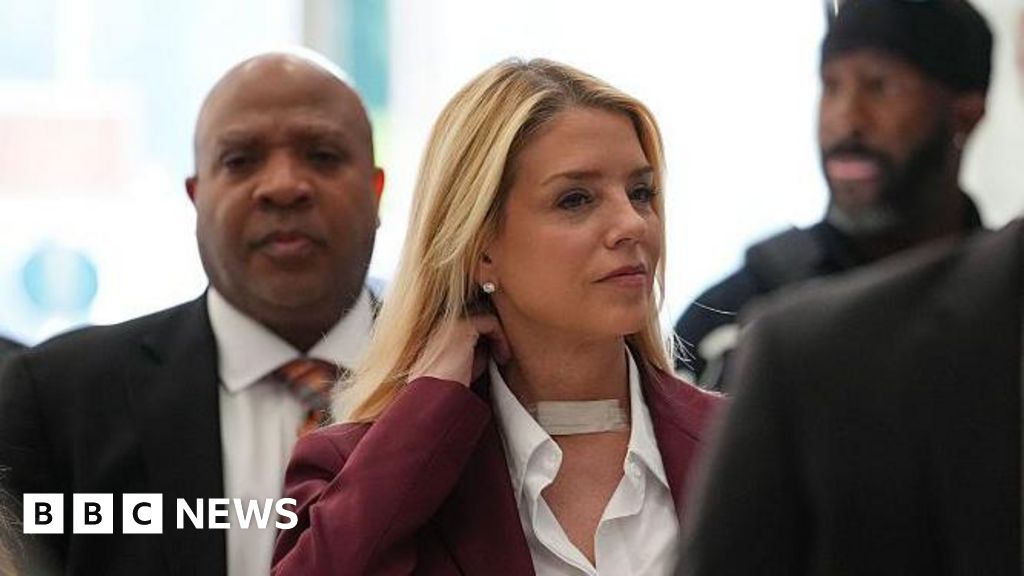
 BBC News
Former US attorney general Pam Bondi testifies in congressional Epstein probe
Overview
Former Attorney General Pamela Bondi defended the Justice Department's handling of millions of Epstein case files and declined to answer questions about President Donald Trump during a transcribed House interview, according to her opening statement.
The Justice Department's release of millions of files included nude photos and personal information of potential victims, and Democrats said millions more files remain unreleased.
Democrats called the closed-door interview a "sham," and committee Democrats said they may seek subpoenas for Deputy Attorney General Todd Blanche and FBI Director Kash Patel, according to lawmakers.
Committee Chair James Comer said the names of three people came up in an interview with Epstein's former assistant Sarah Kellen and that he plans to interview about six more people with connections to Epstein, including Bill Gates, Leon Black and Jes Staley.
Comer said the committee will release a transcript of Bondi's interview and pursue additional Justice Department documents as it continues interviews, and the Justice Department Office of the Inspector General announced a probe into the release process.
Analysis
Center-leaning sources frame the story around government failure and survivor frustration by foregrounding survivors’ accounts and critical lawmakers, using evaluative phrases like "chaotic release" and "failure" and highlighting withheld files. Editorial choices prioritize accountability narratives and international comparisons while offering limited space to administration defenses, producing a cumulative critique of institutional response.