House Passes War Powers Resolution, Trump Calls Vote 'Unpatriotic'
House voted 215-208 on June 3 to limit President Trump’s authority over the Iran war, prompting public attacks and leaving the measure facing Senate, signature and legal hurdles.
 El Pais
The Iran war and the billion‑dollar fund for Trump’s allies are eroding the president’s grip on Republicans in Congress

 Western Journal
Trump Upbraids 4 Republicans Who Sided with Dems on Iran War Powers Resolution Vote During Peace Negotiations
 Truthout
Trump Attacks GOP Lawmakers After House Passes Bipartisan Iran War Resolution

 USA TODAY
Here's which Republicans voted to block Trump from military action in Iran
Overview
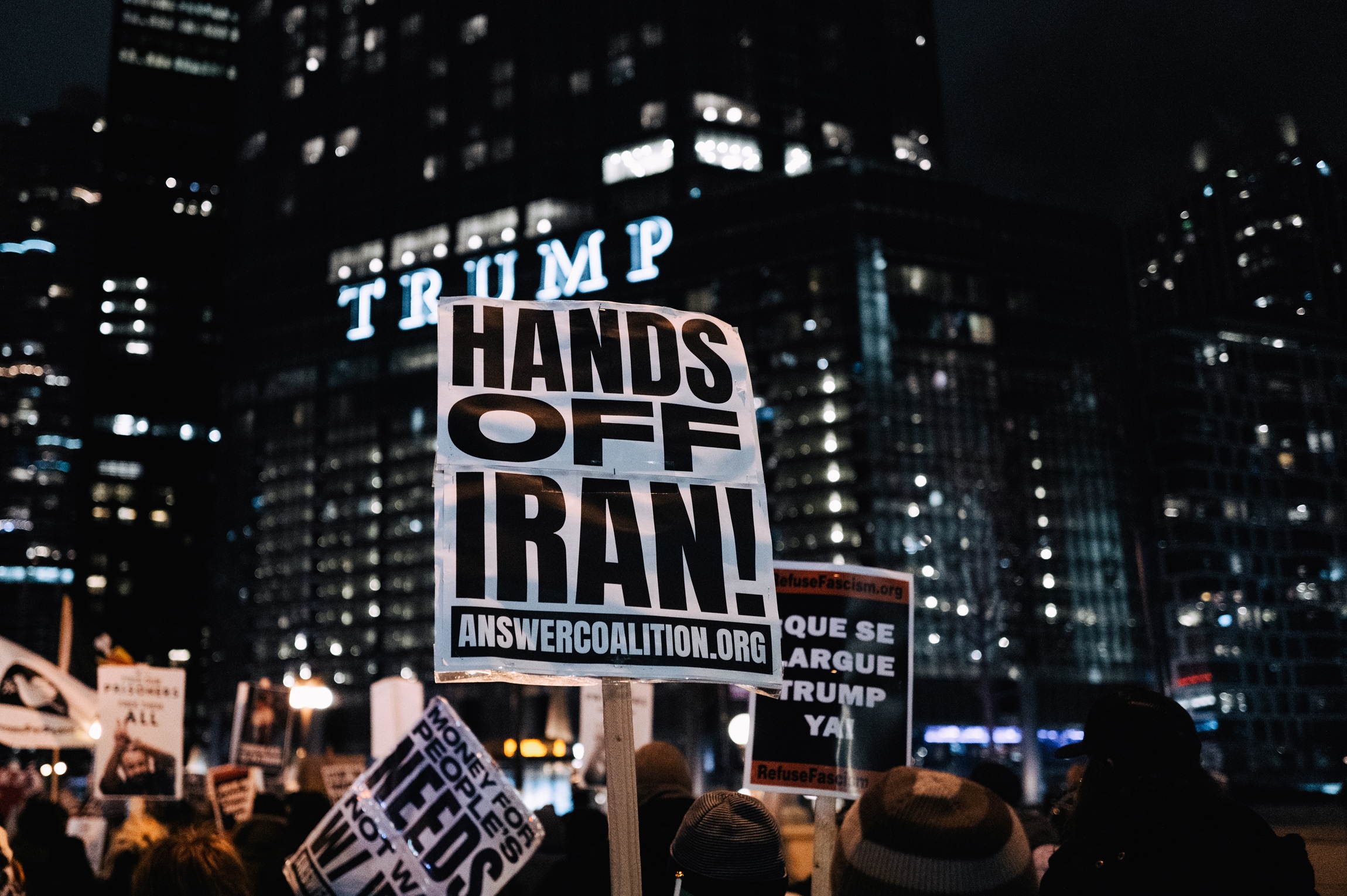
The House of Representatives voted 215-208 on June 3 to adopt a war powers resolution that would require President Trump to withdraw U.S. forces or seek congressional approval for the conflict in Iran.
Lawmakers said the measure seeks to curtail Trump’s war authority amid stalled negotiations that began on April 11 and after strikes continued in the region, despite the White House asserting to lawmakers that hostilities had ended.
President Trump blasted the vote on June 4 on Truth Social as "meaningless" and called the four Republican defectors "bad Republicans" and "grandstanders," while the White House dismissed the resolution's merits as an unconstitutional restriction on presidential power.
Four Republicans—Thomas Massie, Tom Barrett, Warren Davidson and Brian Fitzpatrick—joined Democrats for the 215-208 vote, one Democrat flipped, and a separate Republican revolt led to cancellation of roughly a 1.776 to 1.8 billion dollar ally fund and a failed Senate amendment that lost 49-50.
The measure still must clear the Senate, where an identical concurrent resolution could bypass the president but any Senate changes could convert it to a joint resolution requiring Trump's signature and invite legal challenges, and the Senate has not held a full floor vote.
Analysis
Center-leaning sources frame the House rebuke as largely symbolic yet politically consequential, emphasizing legal uncertainty, bipartisan fissures, and public opposition. They spotlight Trump's 'unpatriotic' social-media attacks and expert Michael Glennon's unlawful characterization, prioritizing legal commentary and poll data to present the vote as a political rebuke that undercuts presidential authority.