UK Social Media Ban
Britain moves to restrict social media use for children under 16.




Main Story
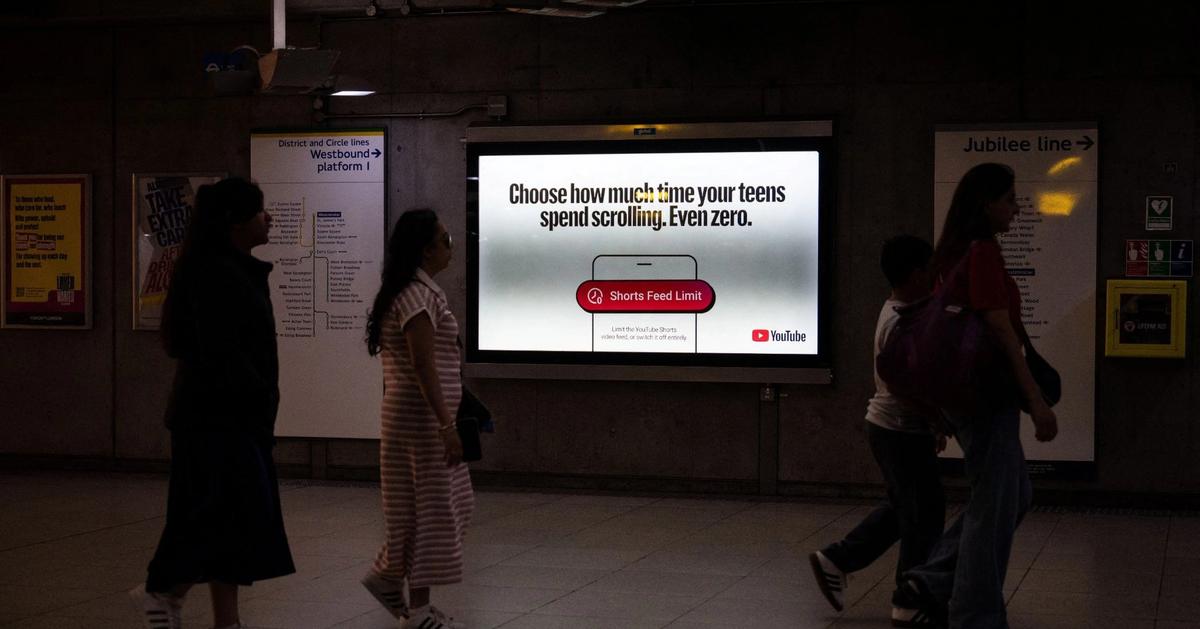
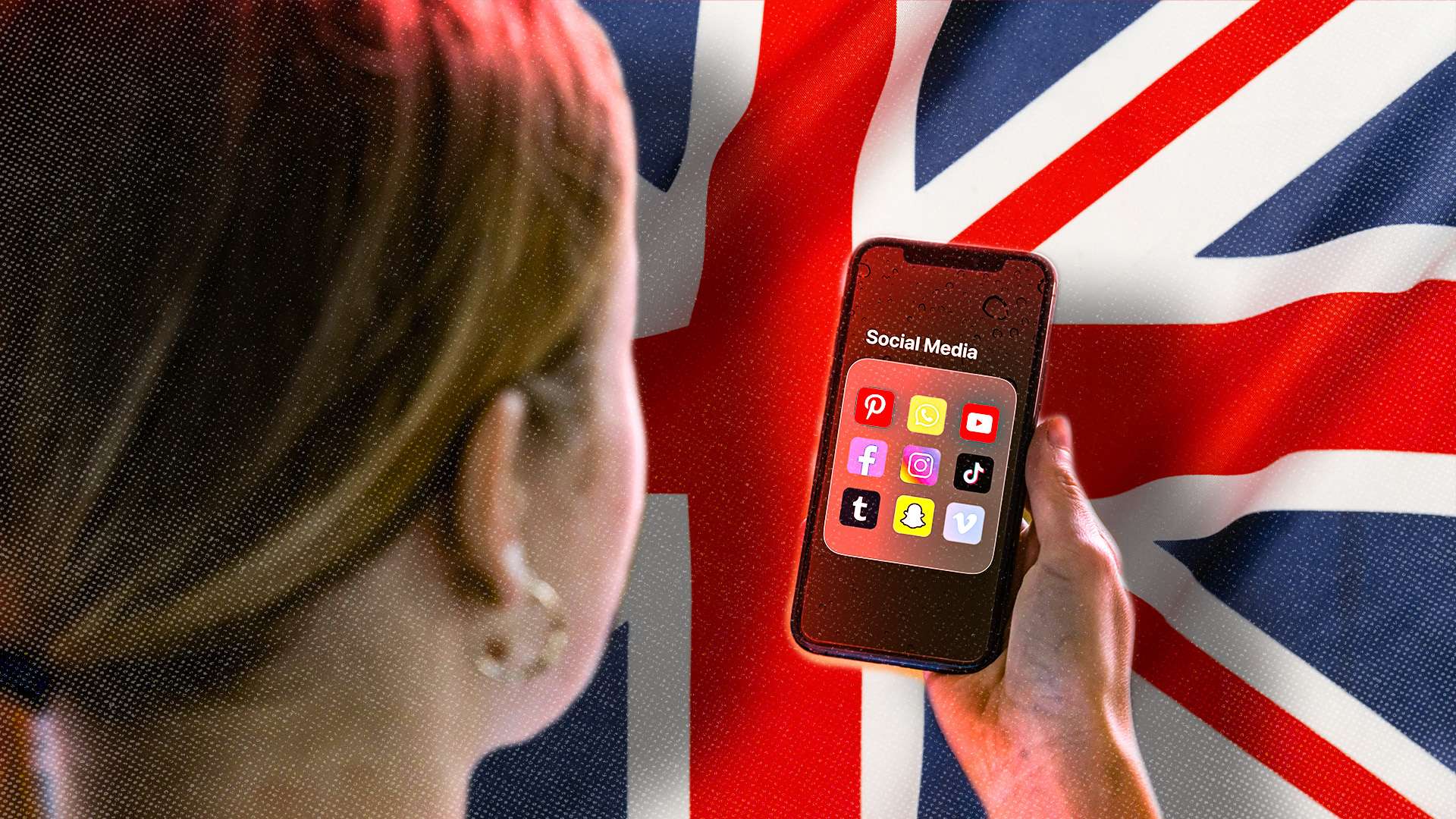
Center-RightPrime Minister Keir Starmer said Britain will ban children under 16 from using major social media platforms, including Snapchat, TikTok, YouTube, Instagram, Facebook and X, in rules expected to take effect in early 2027. The government says the measure is aimed at protecting children from harmful content, excessive screen time and risky online interactions, while messaging services such as WhatsApp and Signal are expected to be excluded. Ministers also plan wider protections, including restrictions on high-risk features such as livestreaming and contact from strangers, with platforms required to take reasonable steps to keep minors off their services. The move places the U.K. alongside countries such as Australia that are pursuing tougher age-based online safety rules for children.


Coverage Angles
Criticism Debate
BalancedCritics and commentators questioned whether an under-16 social media ban will work, citing Australia’s struggles with enforcement, intrusive age checks and limited scientific consensus on the effects of social media. The debate also drew ideological attacks over free speech and platform carveouts, while some voices argued tougher regulation of big tech is overdue.


Reactions Context
BalancedThe announcement triggered immediate public and political reactions, including frustration from British teenagers and a diplomatic effort by ministers to reassure the Trump administration that the rules are not aimed at U.S. tech firms. Internationally, Britain’s move fits a widening trend as governments compare age restrictions and child-safety rules after Australia’s precedent.

