Starmer Resigns, Burnham Rises
Starmer’s leadership is unraveling as Britain braces for a fast-moving succession fight.





Summary
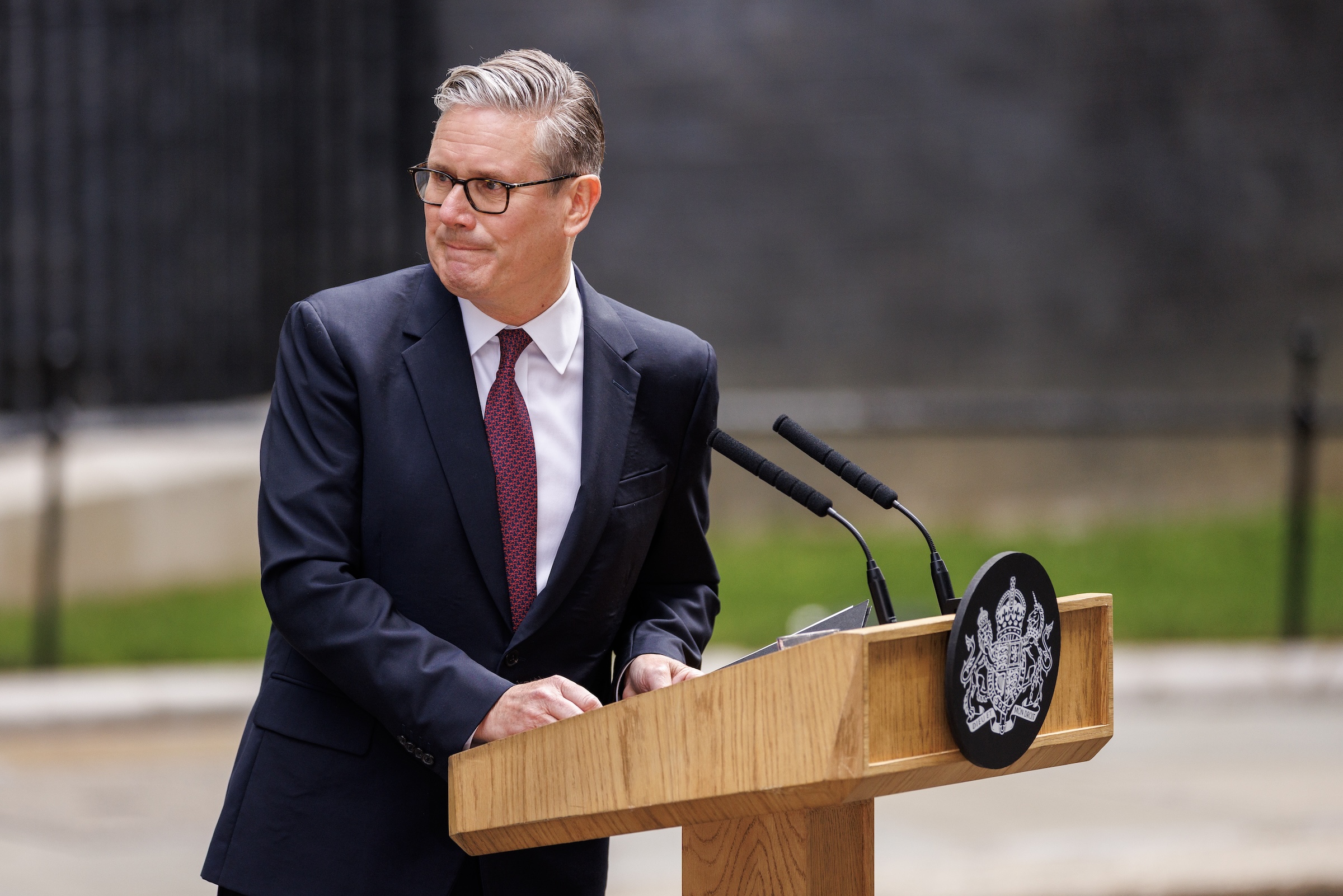
Mostly RightKeir Starmer said he will resign as British prime minister after losing the confidence of Labour MPs and cabinet ministers less than two years after his 2024 landslide victory. In a Downing Street statement, he said he had heard his party’s doubts about whether he was best placed to lead Labour into the next election and promised an orderly transition, with a successor expected by September and possibly sooner. Andy Burnham, newly returned to Parliament as MP for Makerfield after a decade as Greater Manchester mayor, emerged as the overwhelming favorite to take over and become Britain’s seventh prime minister in 10 years. Starmer’s fall followed local election losses, weak public approval, economic stagnation and pressure inside Labour over whether his government had delivered quickly enough.


The Coverage
Starmer Legacy
Starmer’s abrupt collapse prompted a reckoning over how a leader elected as a steady, competent antidote to Conservative turmoil lost support so quickly. Critics pointed to weak delivery, falling popularity, Labour’s local election defeats, immigration rhetoric, foreign policy disputes and anger from the left over his treatment of pro-Palestinian activism.


Prime Minister Churn
Starmer’s resignation extended a decade of British political instability that has now produced six farewell speeches outside No. 10 since 2016 and a likely seventh prime minister in 10 years. The turmoil revived questions about why successive leaders have failed to gain traction after Brexit, austerity, economic weakness and public disillusionment with the political class.


Burnham Succession
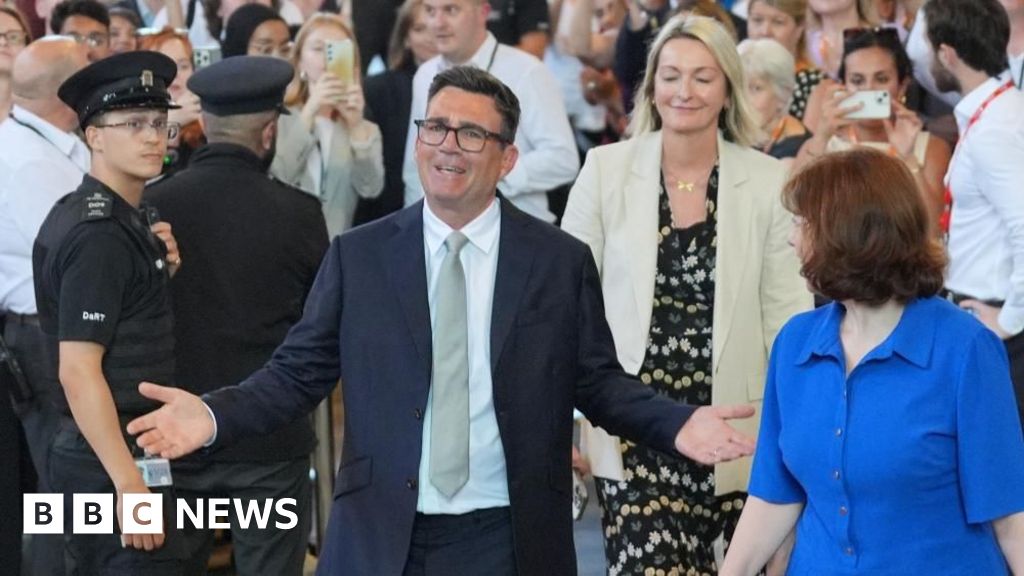
Andy Burnham moved quickly to consolidate support after returning to Westminster, declaring his leadership bid while traveling from Manchester to London. Wes Streeting’s decision to stand aside and endorse the former Greater Manchester mayor strengthened Burnham’s path to Downing Street, while investors and Labour MPs weighed how his self-styled working-class, more interventionist politics could reshape the government.


Get tomorrow's edition
Every side of today's biggest stories, free in your inbox each morning.