Green Card Ruling
The Supreme Court backed the Trump administration in a green card due process dispute.


SUPREME COURT Sides with Trump Administration in Major 6-3 Immigration WIN — Makes It Far Easier to Deport Criminal Green Card Holders Accused of Crimes Involving Moral Turpitude * The Gateway Pundit * by Jim Hᴏft


Supreme Court 'blessed' a 'Kafkaesque nightmare' with its 'disturbing' ruling: analysis
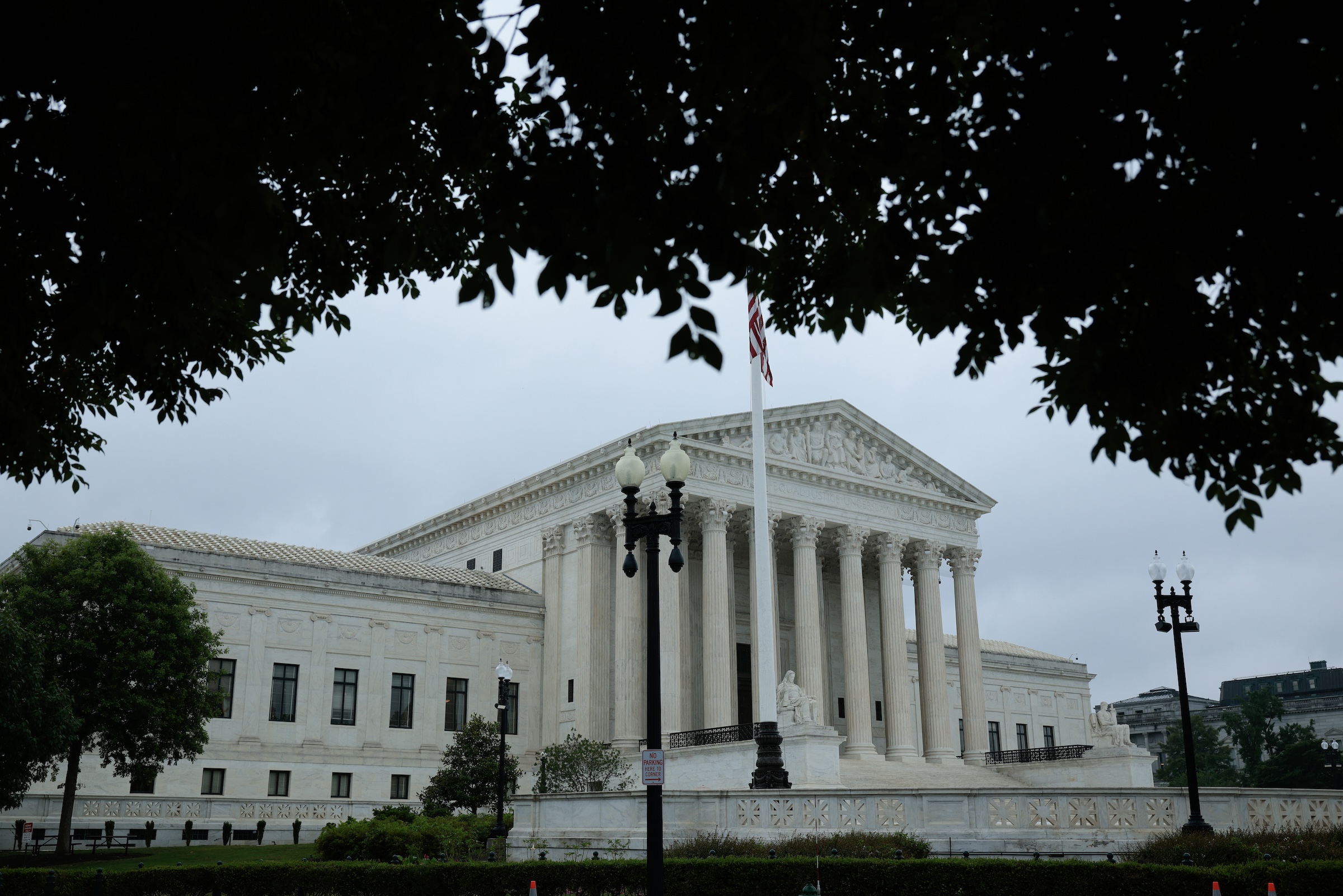

Supreme Court Sides With Trump; Weakens Protections for Permanent Residents
Summary
Mostly RightThe Supreme Court sided 6-3 with the Trump administration in Blanche v. Lau, ruling that immigration officials do not need clear and convincing evidence before treating some green card holders accused of crimes as applicants for admission. The case arose from Muk Choi Lau, a Chinese lawful permanent resident who was charged with trademark counterfeiting and placed on immigration parole when he returned to the United States in 2012. Justice Clarence Thomas wrote for the majority that border officials may make quick admissibility judgments under immigration law, while the decision rejected a higher evidentiary standard adopted by the 2nd Circuit. The ruling strengthens federal authority over lawful permanent residents at the border and could make it easier to place those accused of crimes involving moral turpitude into removal proceedings.


The Coverage
Due Process Concerns
Legal commentators and progressive outlets warned that the 6-3 ruling weakens due process protections for millions of lawful permanent residents by giving border officials broader discretion with a lower proof standard. Critics described the decision as a “blank check” and a “Kafkaesque nightmare,” arguing it lets the government impose severe immigration consequences before proving alleged criminal conduct.


Get tomorrow's edition
Every side of today's biggest stories, free in your inbox each morning.