Supreme Court upholds birthright citizenship
Supreme Court ruling sparks fierce debate over Trump limits and citizenship policy.




123
Articles
57
Sources
54%
Analysis & opinion
The reporting
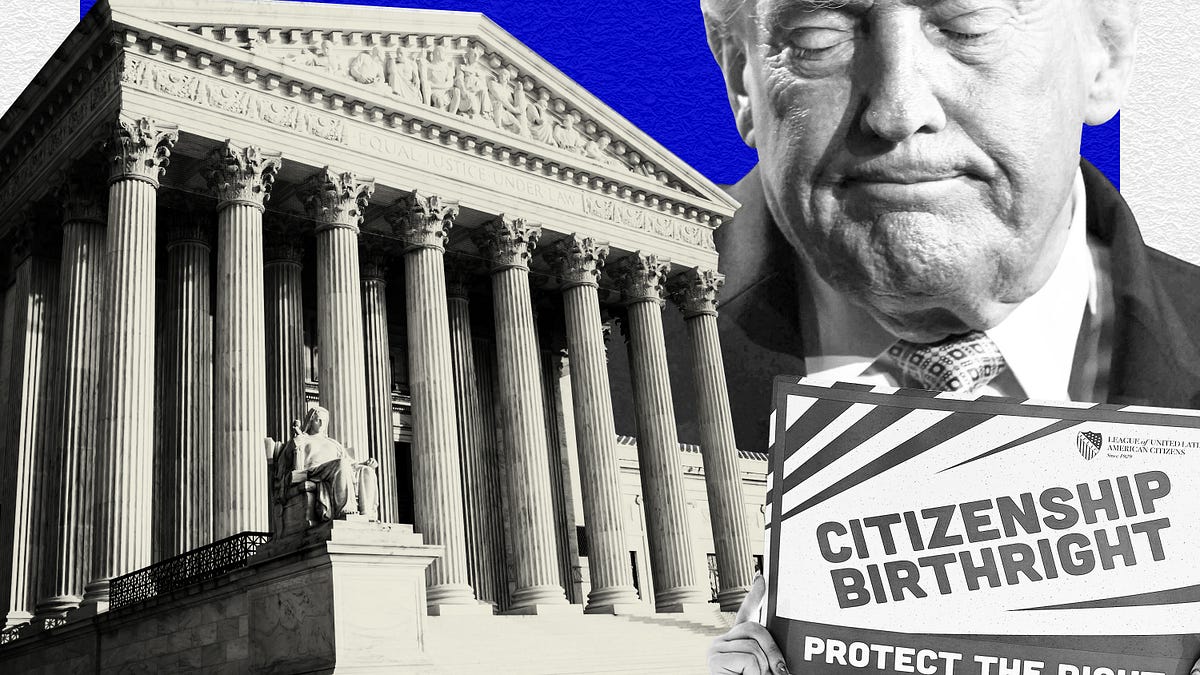
The Supreme Court struck down President Donald Trump’s executive order seeking to deny citizenship to some U.S.-born children, holding in Trump v. Barbara that the 14th Amendment grants citizenship at birth to children born in the United States even when their parents are unlawfully or temporarily present. The divided ruling preserved the longstanding birthright citizenship rule and blocked a Day One immigration policy from Trump’s second term. Trump responded by urging Congress to move “TODAY” on legislation to restrict birthright citizenship, while some Republicans called for a constitutional amendment.
Analysis & opinion
Trump RebukedBalanced
The ruling is treated as a major defeat for Trump’s attempt to narrow birthright citizenship by executive order. It presents the decision as a reaffirmation of the 14th Amendment and a relief for immigrant families and advocates.


Unsettled Future FightBalanced
Some analysis warns that the decision does not end the political or legal battle over citizenship. It suggests Republicans now have a long-term cause to organize around, while Democrats risk underestimating how much the court may still expand Trump-era power elsewhere.


Court Ideological RiftBalanced
Coverage also dwells on the sharp clash among the justices, especially Thomas and Alito’s attacks on birthright citizenship and Jackson’s response invoking Dred Scott. The story becomes a window into deep constitutional divisions inside the court, not just the outcome of one case.


Conservative BacklashLeans Right
Right-leaning reactions cast the decision as a betrayal that cheapens American citizenship and enables birth tourism. They argue the court got the Constitution wrong and that Congress or the states should pursue a constitutional amendment to end birthright citizenship.

Get tomorrow's edition
Every side, every morning — free in your inbox.