Hormuz Ceasefire Falters
U.S. demands open shipping lane as Iran attacks keep tensions high.






32
Articles
23
Sources
Coverage mix
The reporting
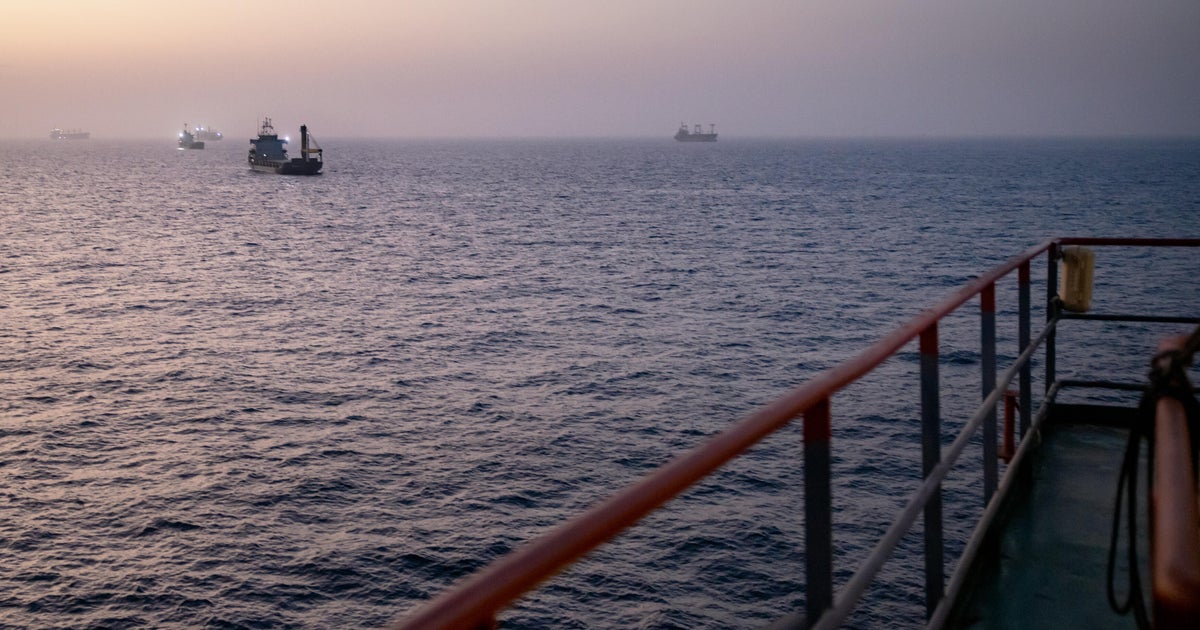
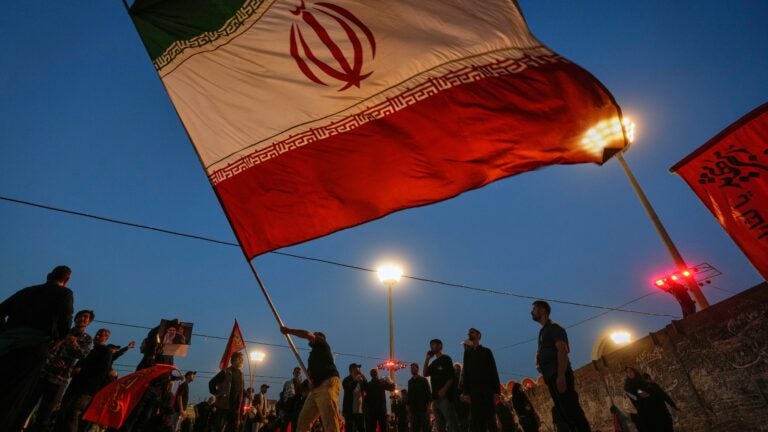
U.S. Central Command launched additional strikes on Iran on Wednesday, saying President Donald Trump ordered the operation to degrade Iran’s ability to threaten navigation in the Strait of Hormuz. Trump said the interim memorandum of understanding reached with Iran last month was “over” and said he was “not sure” he wanted a deal. The new attacks followed U.S. strikes on more than 80 Iranian targets on Tuesday and Iranian attacks on commercial ships in or near the strait and U.S. military sites in the Gulf.
Analysis & opinion
Crumbling DealLeft & Center
The ceasefire and interim Iran deal are falling apart under new strikes, denials, deadlines, and public threats. Negotiations are still alive, but both Washington and Tehran have overplayed their hands and left diplomacy hanging by a thread.


Trump EscalationLeans Right
Trump is turning the crisis into a personal revenge drama, talking about his own assassination and threatening massive retaliation. His threats risk widening the war, weakening diplomacy, and making the conflict more dangerous than it needs to be.


Iranian ThreatLeans Right
Iran is actively threatening Trump and other U.S. leaders, with operatives and regime-linked voices signaling real assassination intent. A harsh promised response is necessary deterrence because Tehran only backs down when it believes the cost will be devastating.


Hormuz ChokepointLeans Right
The decisive pressure point is the Strait of Hormuz, where Iranian threats and ship attacks can shake energy markets and global confidence. Keeping the strait open is the test of whether Iran still has leverage or whether U.S. strikes and demands have forced Tehran to retreat.


Get tomorrow's edition
Every side, every morning — free in your inbox.