Hormuz Blockade Imposed
U.S. naval blockade and Hormuz control plan send oil prices higher.





58
Articles
39
Sources
Coverage mix
The reporting
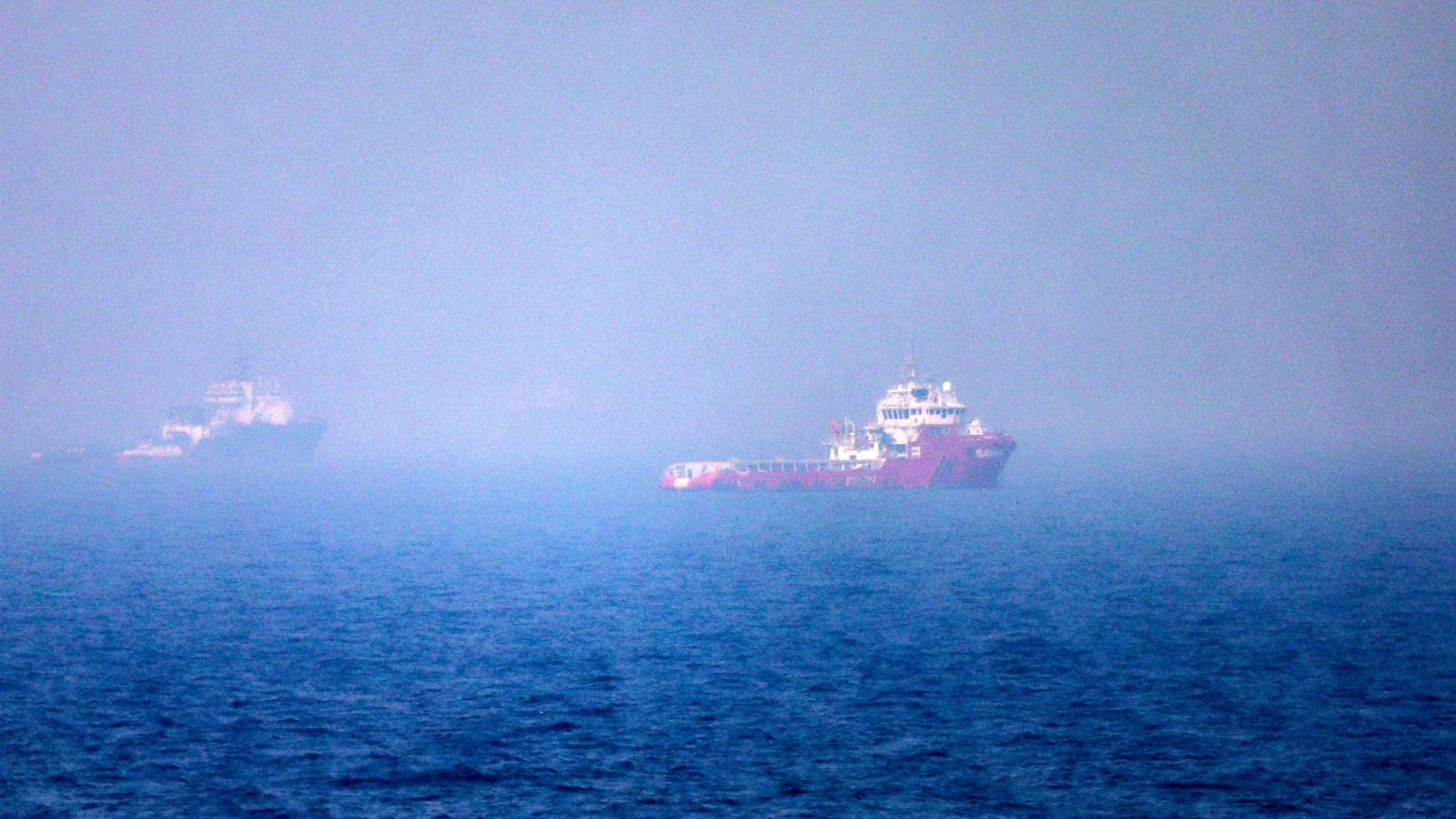
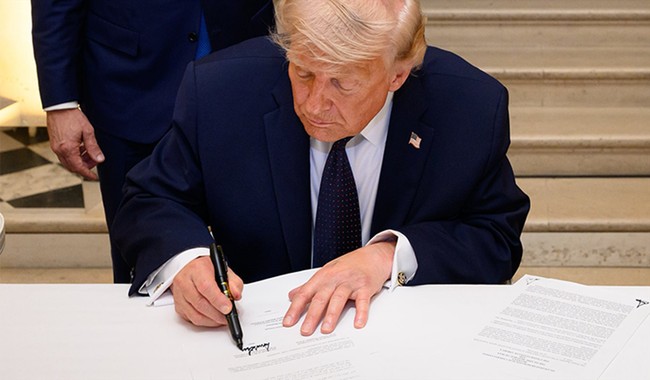
President Donald Trump said the U.S. will reinstate a naval blockade of Iranian ports, control traffic through the Strait of Hormuz and charge commercial ships 20% of cargo value for safe passage. The U.S. military launched a third consecutive night of strikes on Iran, and a War Powers notice said renewed military action began July 7. Iran said it fired on two vessels in the strait; the UAE said an attack on two tankers killed one and wounded eight. Oil gained, with WTI at $79.91 and Brent near $80.
Analysis & opinion
Hormuz Toll PlanLeans Left
Trump’s proposed U.S. control of Strait of Hormuz shipping and 20 percent cargo fee would be a major break from prior policy. The plan could raise enormous revenue and make beneficiaries pay for protection, but it also faces serious legal, practical, political, and economic objections.


Ceasefire UnravelingMostly Center
The U.S.-Iran ceasefire or preliminary deal is breaking down as both sides resume attacks and clash over the Strait of Hormuz. Ambiguous terms, competing claims over the waterway, and retaliatory decisions have pushed diplomacy into a deeply uncertain phase.


Reckless Trump WarBalanced
Trump’s Iran policy is reckless, incoherent, and legally suspect, with weak justifications for renewed war and dangerous threats against civilian targets. His failed deal and hollow ceasefire claims have left the United States deeper in a conflict of his own making.


Get tomorrow's edition
Every side, every morning — free in your inbox.