Platner Ends Senate Bid
Platner exited Maine's Senate race after sexual assault allegations sparked party turmoil.





Summary
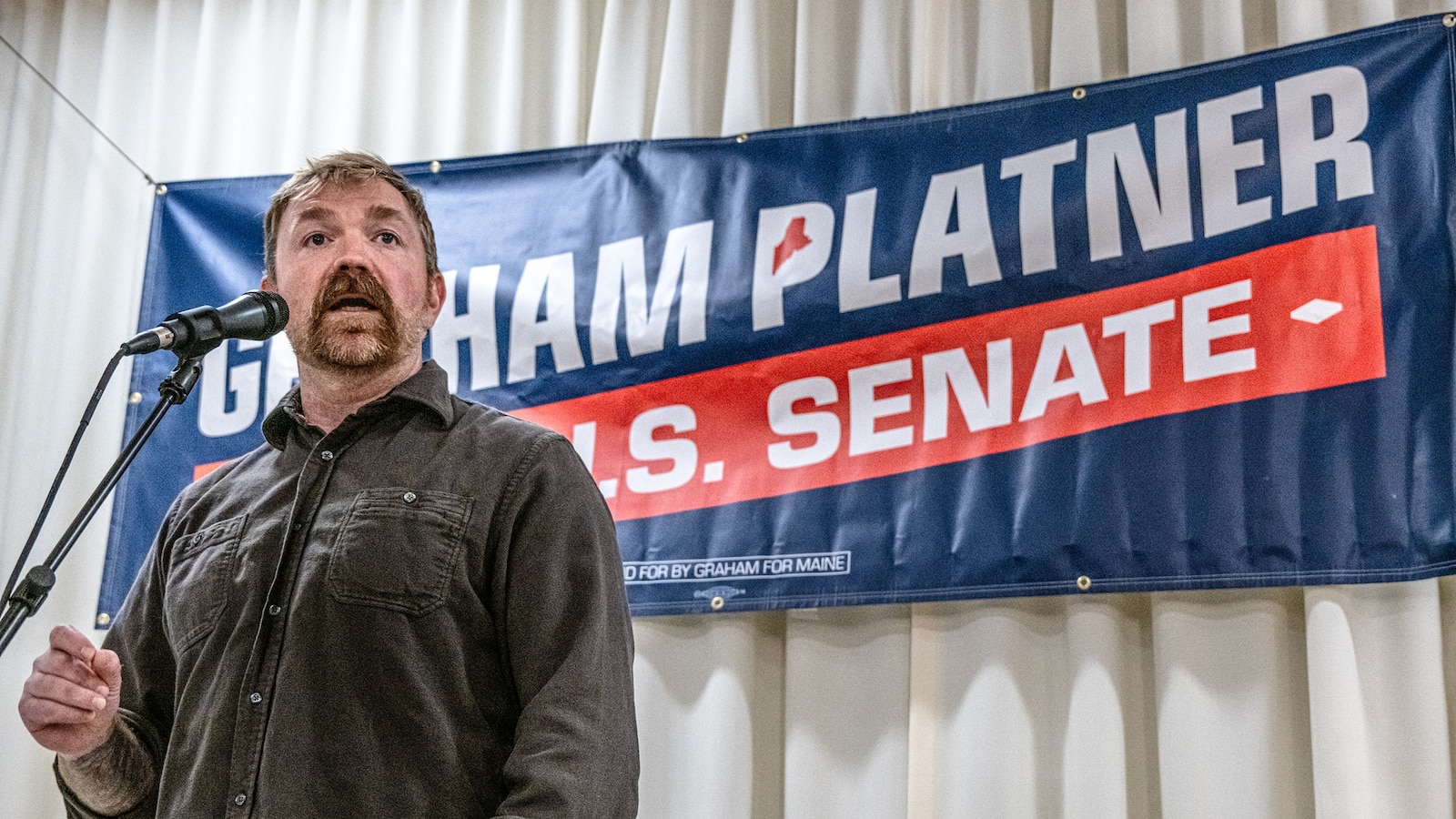
Graham Platner submitted paperwork to Maine’s secretary of state on Friday to withdraw from the U.S. Senate race, ending his Democratic nomination after a former girlfriend accused him of sexual assault in 2021; he denies the allegation. Platner, a 41-year-old oyster farmer and veteran, had been the Democratic challenger to Republican Sen. Susan Collins. Maine Democrats are preparing a replacement process, including a possible nominating convention, as prospective candidates begin seeking the ballot. The collapse triggered a rapid loss of endorsements, and Rep. Ro Khanna said he regrets backing Platner.
Coverage Angles
Scandal Forced Exit
PolarizedPlatner’s campaign became untenable once the sexual assault allegation landed on top of earlier baggage. Dropping out was the unavoidable consequence of a candidate whose liabilities overwhelmed any political upside.


Elite Vetting Failure
Mostly RightProgressive leaders and party power brokers helped elevate a candidate they had not properly vetted, then left voters and activists to clean up the mess. Endorsers such as Bernie Sanders and Ro Khanna bear responsibility for legitimizing Platner before the full risks were known.


Democratic Salvage Mission
Mostly LeftMaine Democrats still have a winnable Senate race if they quickly find a credible replacement and give disaffected supporters somewhere to go. The urgent task is to preserve the anti-establishment energy Platner tapped without letting his collapse define the party’s chances.




Outsider Politics Survives
Mostly LeftPlatner’s implosion should not be used to discredit outsiders or insurgent candidates as a category. Democrats still need change-agent candidates, but they need ones who can survive scrutiny and do not carry disqualifying baggage.

