BRICS Urges Middle East Restraint
BRICS leaders urged Middle East restraint as Modi warned of global shocks.





10
Articles
9
Sources
Coverage mix
What happened
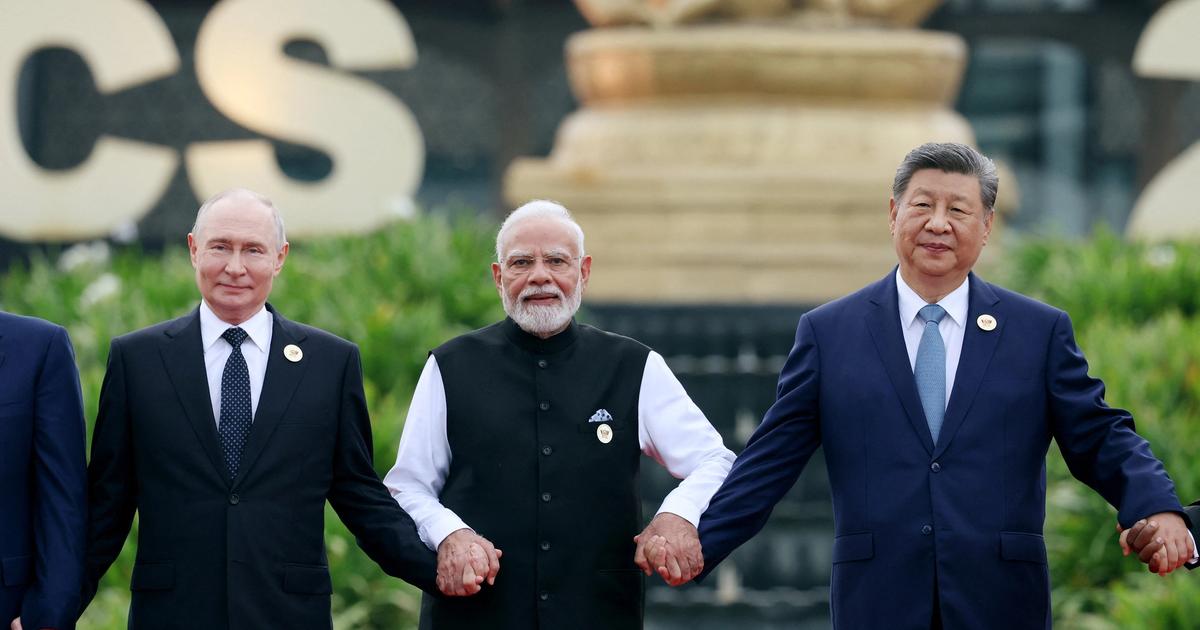
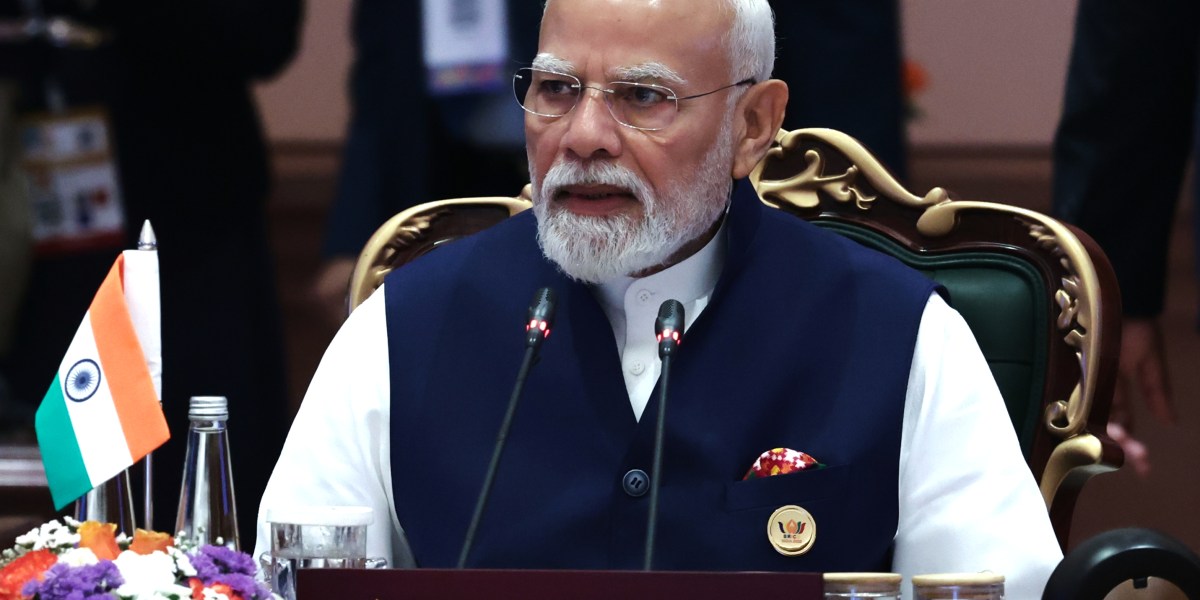
BRICS leaders met in New Delhi for a summit hosted by Indian Prime Minister Narendra Modi. Today, Iran and the United Arab Emirates backed a joint statement urging restraint in the Middle East, and their leaders held their highest-level meeting since the conflict began. Chinese President Xi Jinping called for a permanent and comprehensive ceasefire and said China could play a key peace role. Modi warned that geopolitical tension, supply chain shocks, climate crises and the weaponization of technology and critical minerals are hurting global development.
Both sides
From the left
PBS NewsHour framed the summit as BRICS trying to strengthen its place in a Western-dominated global order. Its coverage stressed concern over Middle East tensions, attacks on civilian infrastructure and peaceful nuclear facilities, and the need to protect nuclear safety during war. PBS also noted criticism of sanctions lacking U.N. approval and said the statement was seen as indirect criticism of U.S. and Israeli strikes on Iranian nuclear facilities.
From the right
Washington Times coverage focused on Modi’s warning that global crises now spill across borders. It highlighted his calls for stronger Global South cooperation and his concern that weaponized technology and critical minerals could block shared growth. The outlet also stressed BRICS’ wider push for developing-country influence, alternatives to Western-led finance and a new early warning system for infectious diseases.
Coverage•10 articles — 1 left, 8 center, 1 right
Get tomorrow's edition
Every side, every morning — free in your inbox.