Chancellor Merz Defies Defeats
Germany's chancellor rejects resigning after CDU losses and AfD gains in state votes.



12
Articles
12
Sources
Coverage mix
What happened
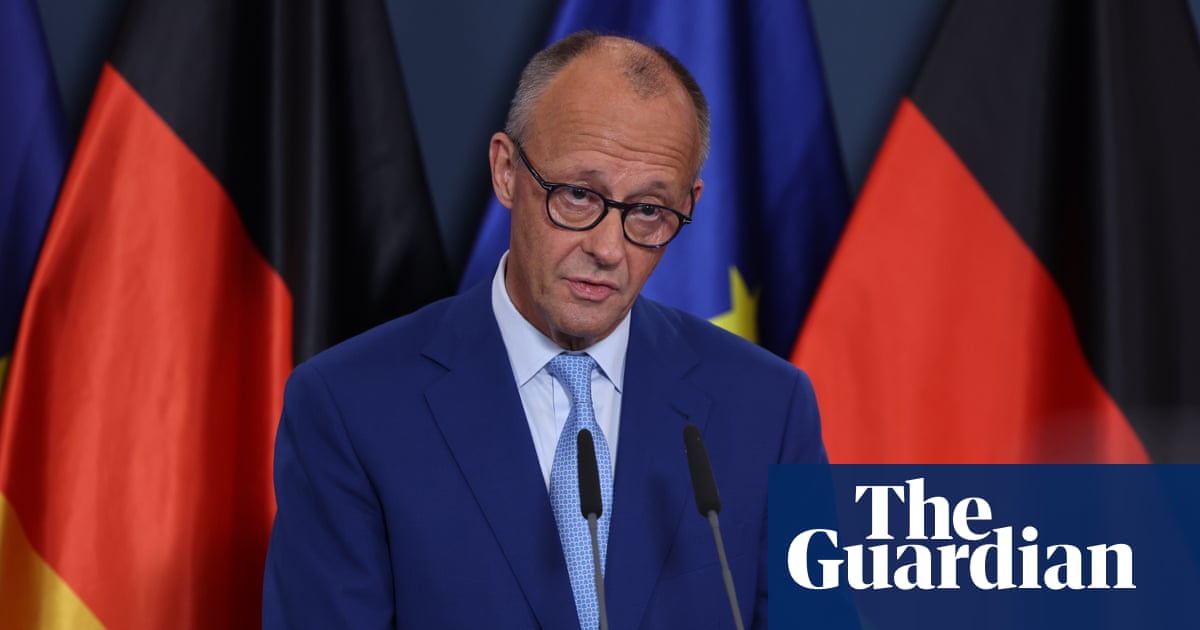
The AfD won Mecklenburg-Western Pomerania in exit polls and projections, taking about 38% and placing first in a second state election in less than a month. Chancellor Friedrich Merz’s CDU suffered a major setback, hovering near the 5% threshold needed to enter the state parliament. In Berlin, projections put the Left ahead, with the CDU second and the AfD third on a double-digit share. The results deepened pressure on Merz after another AfD surge in Saxony-Anhalt two weeks earlier. Other parties still refused to cooperate with the AfD, limiting its path to power. Merz called the outcome a “disaster” but said he would stay on. Final seat allocations were pending.
Both sides
From the left
Left-leaning outlets framed the vote as a leadership crisis for Merz, while stressing the far-right threat around the AfD. CNN cast the result as more pressure on his already weakened leadership. The Guardian emphasized his defiance and his vow to stay in office. CNN also highlighted pressure on the CDU from both the AfD and the left.
From the right
Right-leaning outlets led with AfD momentum, treating Merz’s problems as the political consequence rather than the whole story. The New York Post centered the AfD’s state-level breakthrough as evidence of growing force. The Gateway Pundit cast Merz’s refusal to resign as defiance after “humiliating defeats”. The New York Post also noted the party’s governing limits.
Coverage•12 articles — 3 left, 6 center, 3 right
Get tomorrow's edition
Every side, every morning — free in your inbox.