

U.S. Troops Exit Iraq
The Pentagon says U.S. forces have left Iraq, ending the anti-ISIS mission there.
9 left12 center12 right
Updated 5:00pm ETEvery side, every morning
A free recap of the day’s biggest stories and how each side covered them.
What happened
The U.S. military completed the withdrawal of its remaining troops and equipment from Iraq, formally ending Operation Inherent Resolve there. The last forces left Erbil Air Base in the northern Kurdish region under a prior U.S.-Iraq agreement to wind down the coalition mission. This is the second full U.S. withdrawal from Iraq, after the 2011 exit that followed the 2003 invasion. U.S. forces returned in 2014 after ISIS seized large areas in Iraq and Syria. Iraq now faces scattered ISIS cells and Iran-aligned militias that Baghdad has struggled to disarm. Pentagon spokesman Sean Parnell called the exit a successful shift, while Iraqi Prime Minister Ali al-Zaidi called it a sovereignty milestone. Training and intelligence support will continue.
How each side covered it
From the left
Left-leaning accounts cast the exit as both an Iraqi sovereignty moment and a dangerous handoff in a country still pulled between outside powers. The New York Times lingered on the war’s cost, describing a battered Iraq shaped by years of bloodshed after the U.S. invasion. CNN highlighted Baghdad’s sovereignty framing and Parnell’s claim that the anti-ISIS campaign had succeeded.
From the right
Right-leaning accounts led with an orderly mission close, while warning that regional threats could outlast the handoff. Fox News framed the shift around Iraqi responsibility, but also stressed danger from Iran, militias, ISIS remnants, and broader uncertainty. The Gateway Pundit centered Trump, casting the exit as his win and contrasting it with Biden’s Afghanistan withdrawal.
Headlines
Left9


 The US military says its withdrawal of troops from Iraq is complete | CNN
 Pentagon says it has formally completed withdrawal of US troops from Iraq
 How does Iraq’s security change after US forces withdraw?
 The U.S. military says its withdrawal of troops from Iraq is complete
 America leaves Iraq, again
Center12


 US troops are gone from Iraq, but ISIS remains. What comes next?
 U.S. ends ISIS-fighting mission in Iraq as regional security fears mount
 U.S. military declares end of anti-ISIS Operation Inherent Resolve in Iraq
 U.S. military withdraws from Iraq two decades after invasion
 Last US troops expected to leave Iraq on Wednesday after ISIS fight, Pentagon says
Right12
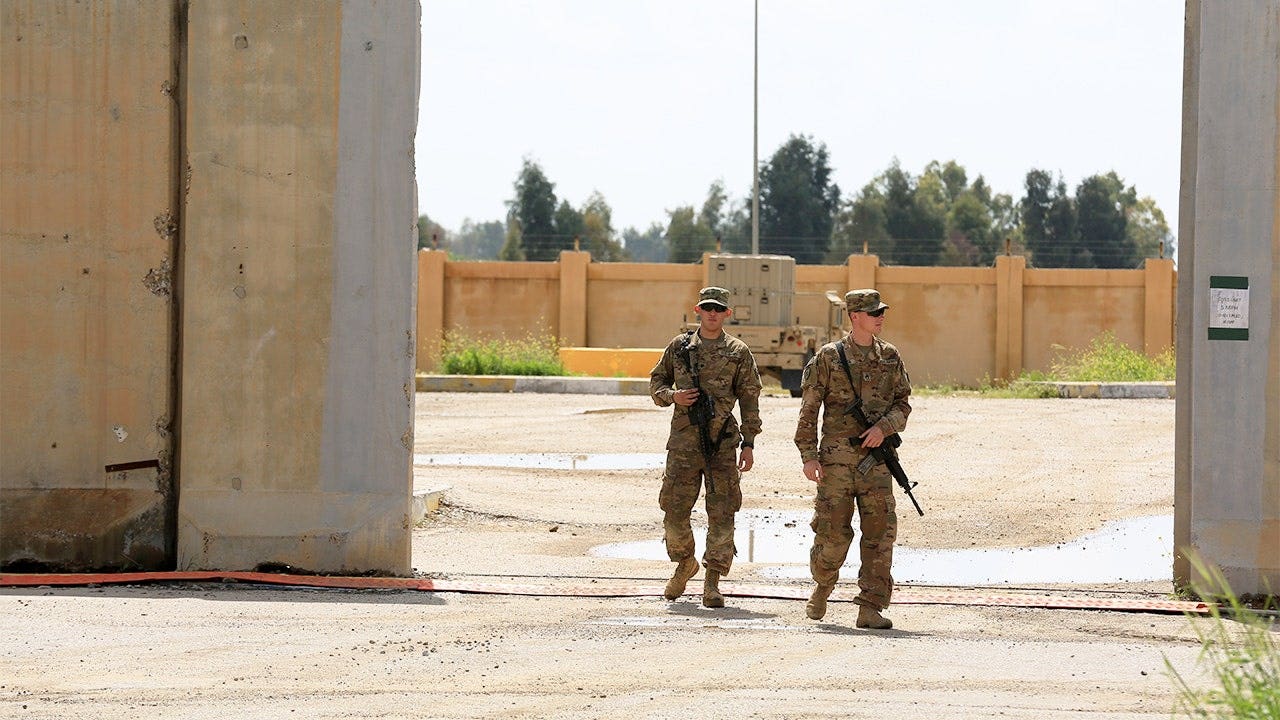

 The US military says its withdrawal of troops from Iraq is complete
 US Military Says Troop Withdrawal From Iraq Is Complete
 President Trump Takes a Shot at Bush, Obama and Biden as He Announces Last American Forces Are Leaving Iraq * The Gateway Pundit * by Cristina Laila
 Trump marks withdrawal of American forces in Iraq: ‘We are going home’
 US military says withdrawal of troops from Iraq is complete
Also today
All of today's stories →- 1Jack Smith Defends ProbesBalancedBalanced80articles
- 2Trump Nears AI CzarBalancedBalanced40articles
- 3Trump Launches America.govBalancedBalanced32articles
- 4Balanced31articles
- 5OpenAI Launches Dots AgentsMostly CenterMostly Center24articles
- 6Lindsay Clancy Returns To CourtBalancedBalanced24articles