

Quebec Separatists Win Election
A pro-independence party won Quebec's vote, raising new unity questions for Canada.
Oct 6, 2026October 6, 2026 · Updated 9:31pm ET

 CNNQuebec separatists vowing independence vote win provincial election but fall short of majority
 BBC NewsSeparatist party wins Quebec election, adding new test to Canada's unity
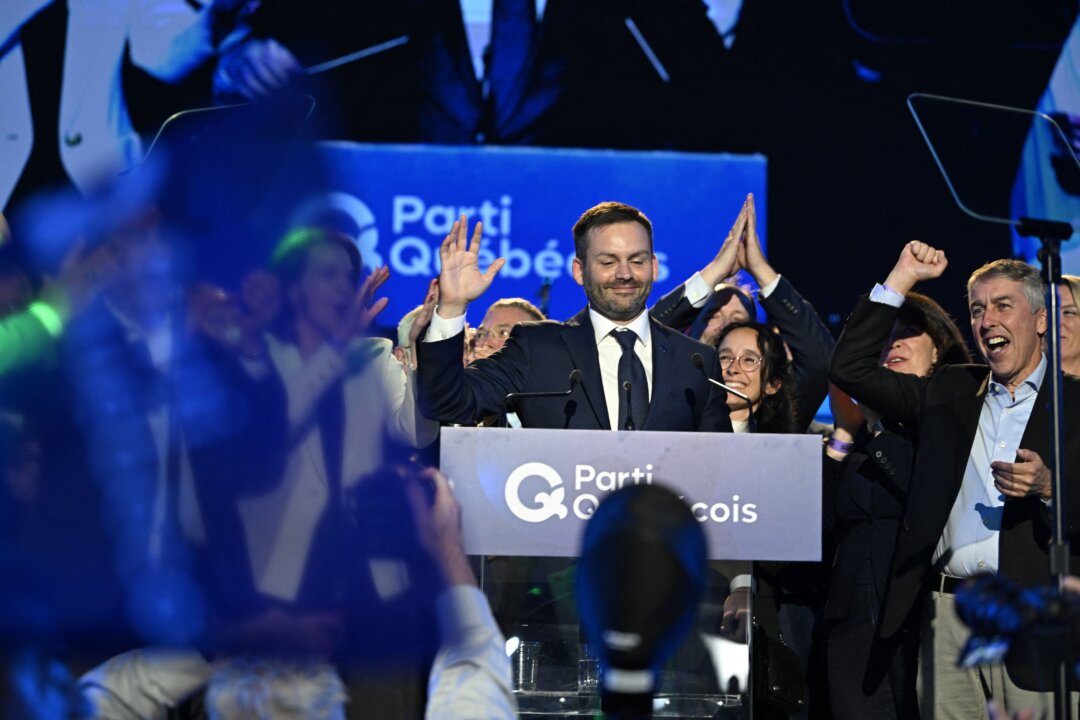
 Epoch Times7 Key Takeaways From Quebec’s Election
 The GuardianSeparatists win Quebec election in test for Canada PM’s national unity strategy
 NewsmaxQuebec Separatist Party That Promises Another Independence Referendum Projected to Win Election

 Seattle TimesQuebec separatists vowing independence vote win an election but fall short of majority
 World News GroupSeparatists win Quebec election, tee up independence vote

 Joe.My.God.Quebec’s Separatist Party Wins Provincial Election
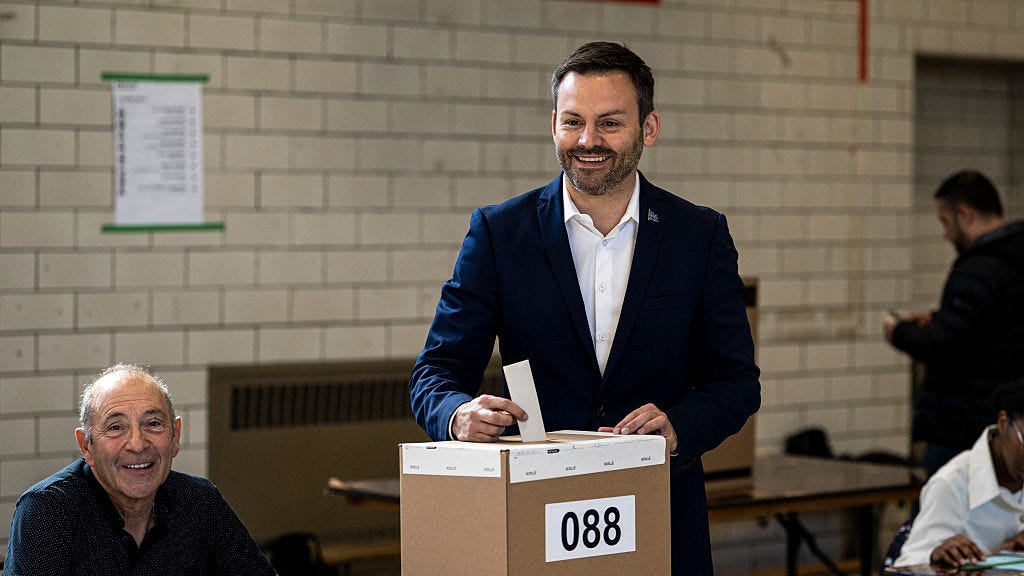
 The Free PressThis Week in Canada: The Separatist Revival in Quebec

 Washington ReporterOp-Ed: Dimpee Brar: What Quebec’s election results tell us about U.S.-Canada relations and the limits of anti-Trumpism
 ZeroHedge"Their Own Country": Quebec Elects Separatists Vowing To Break From Canada
29%
Left · 4
7%
Center · 1
64%
Right · 9
Pano counted 14 articles from 11 outlets: 29% left-leaning, 7% center and 64% right-leaning. Pano rates the coverage Leans Right.
What happened
The separatist Parti Québécois won Quebec’s provincial election, taking 59 seats in the 127-seat legislature. The result gives the party a minority government, while the governing Coalition Avenir Québec was shut out after holding power since 2018. The Liberals won 40 seats, the Conservatives 19 and Québec solidaire nine. The win does not show majority support for independence, with polling putting sovereignty support at about 30%. Quebec rejected independence in referendums in 1980 and 1995. PQ leader Paul St-Pierre Plamondon has pledged another referendum, saying independence would protect Quebec’s French-speaking identity. Alberta is scheduled to vote Oct. 19 on starting its own separation referendum.
How the left told it
Left-leaning outlets cast the result as a limited win that revives separatism without giving the party free control. CNN stressed that the party must rely on rivals, while citing Paul St-Pierre Plamondon’s argument that independence is about French-speaking survival. The Guardian emphasized the pressure on Prime Minister Mark Carney’s unity push against Donald Trump’s tariffs.
How the right told it
Right-leaning outlets framed the vote as a political earthquake that reopened Canada’s unity fight beyond Quebec. Epoch Times focused on the incumbent’s collapse and gains by rival parties, especially the Conservatives. Newsmax stressed that Quebec’s future in Canada is back in play, while noting the win is not a mandate for independence.


