
Oct 9, 2026October 9, 2026 · Updated 5:39pm ET
U.S. Sanctions ICC
The Trump administration expanded sanctions against the International Criminal Court.
Coverage: Balanced45 articles from 37 outlets

 The New York TimesTrump Administration Hits International Criminal Court With Severe Sanctions
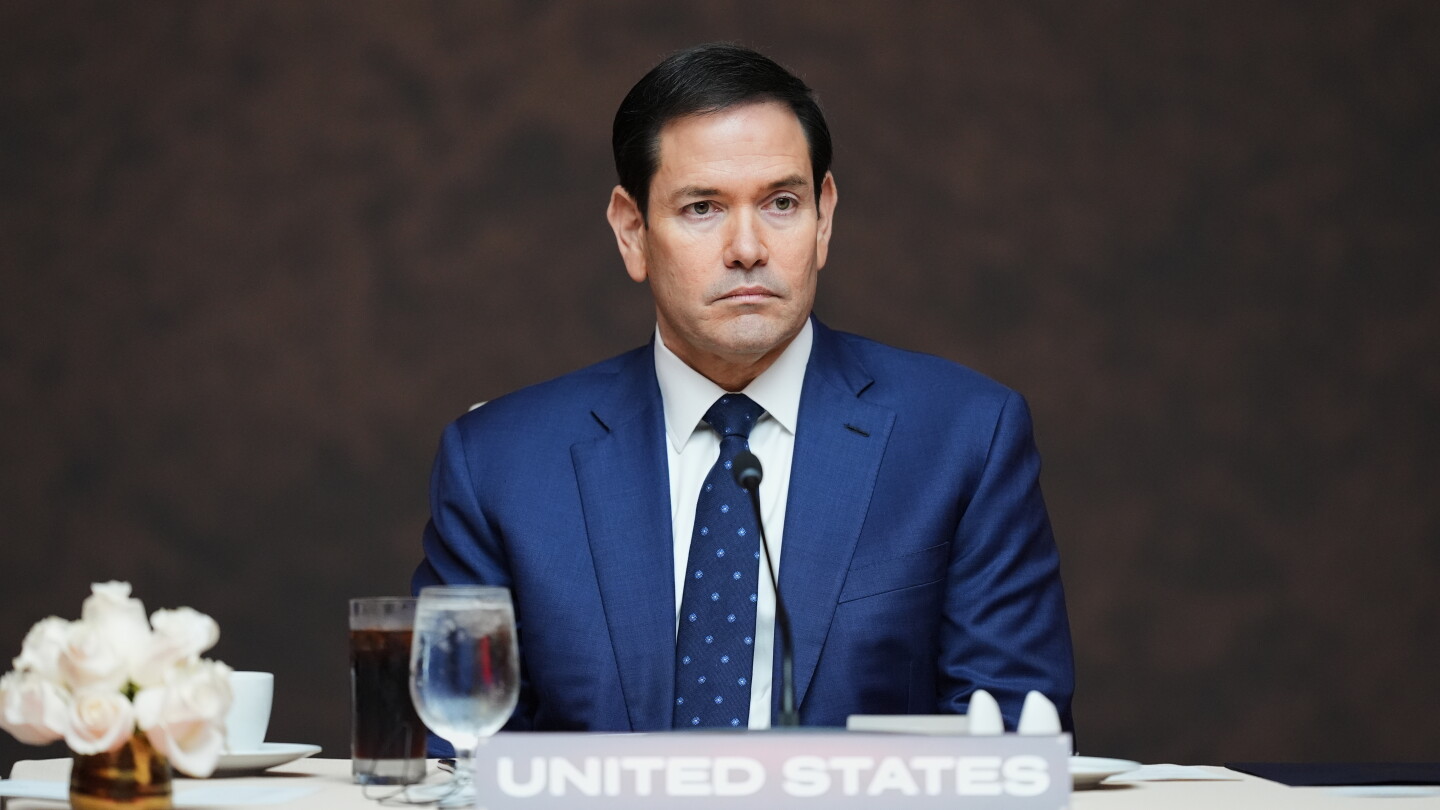
 The Washington SunU.S. Hits the International Criminal Court With Sweeping Sanctions
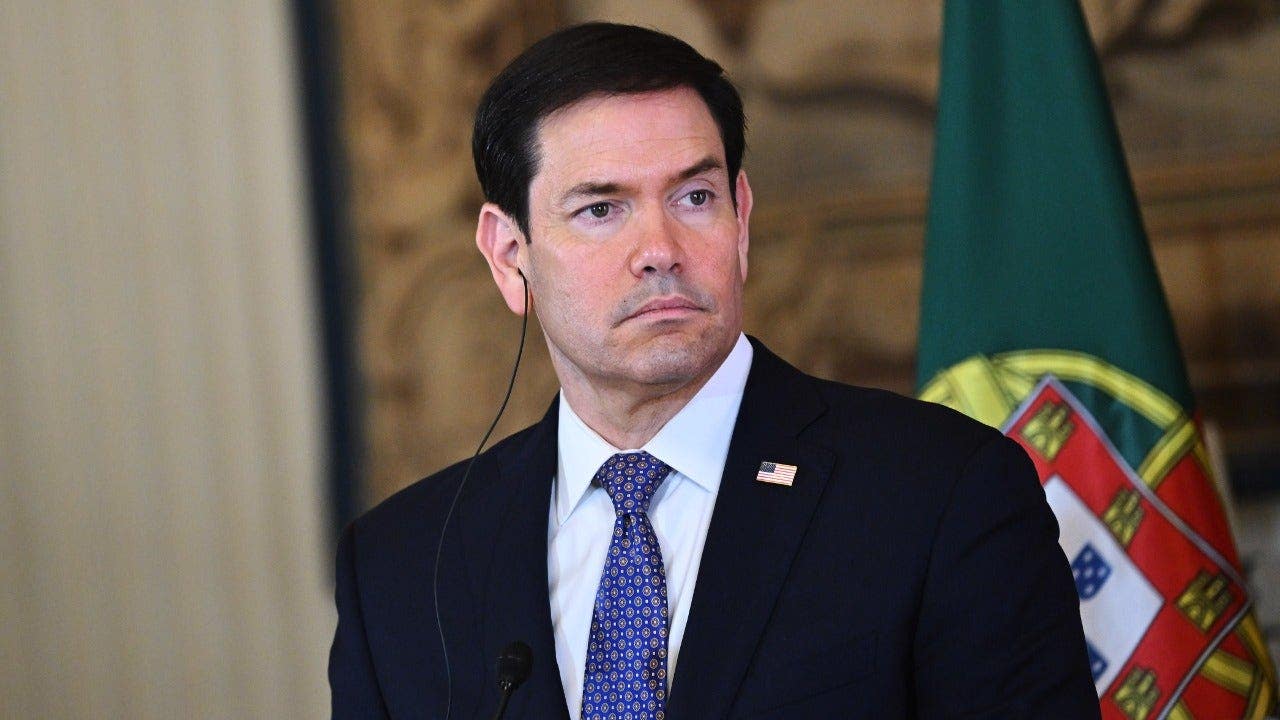
 FOX NewsMarco Rubio announces sweeping financial sanctions against the International Criminal Court
 The GuardianUS imposes sanctions on international criminal court
 The HillUS sanctions global court as judge awarded Nobel Peace Prize

 New York PostRubio slaps fresh sanctions on ‘rogue’ International Criminal Court, vows to ‘end the ICC’ if prosecution threats go on

 Al JazeeraUS sanctions International Criminal Court itself in latest escalation
 USA TODAYDonald Trump passed over for Nobel Peace Prize he's long coveted
 Just the NewsU.S. sanctions ICC shortly after former ICC judge wins Nobel Peace Prize

 MEDIAiteTrump Snubbed for Nobel Peace Prize Again Despite ‘I Settled Eight Wars’ Lobbying Campaign

 UPISecretary Rubio accuses ICC of wanting 'more power' in sanctions announcement
 NewsmaxUS Moves to Dismantle ICC, Hits Court With Sanctions
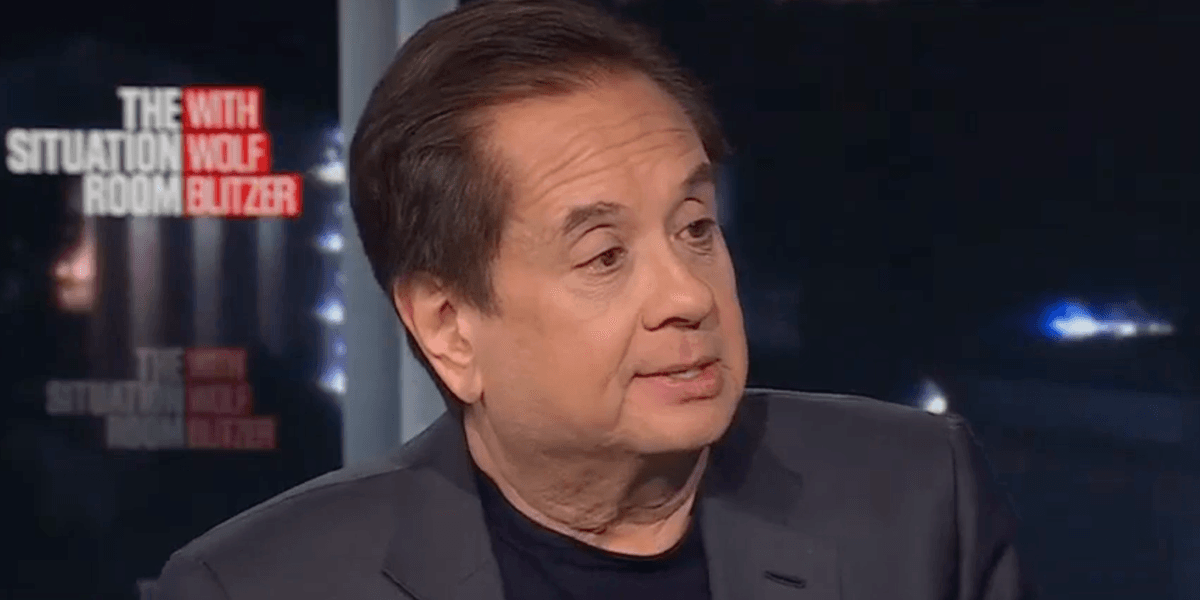
 AlterNetGeorge Conway delivers brutal Trump swipe after he loses Nobel Peace Prize
 Associated PressUS hits International Criminal Court with sweeping sanctions as part of drive to dismantle tribunal
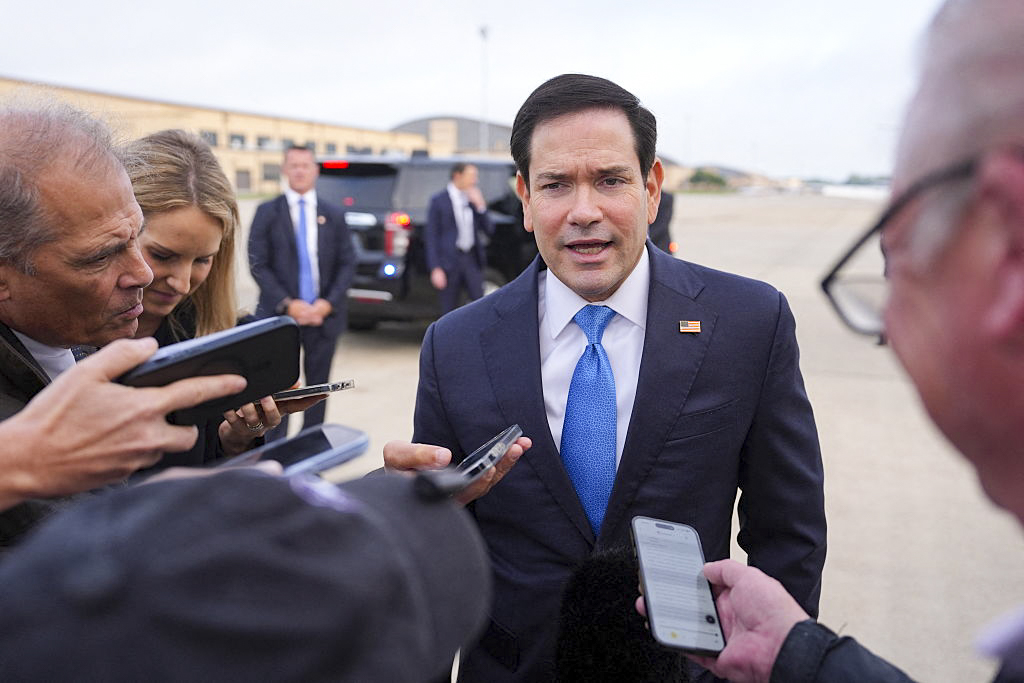
 Epoch TimesUS Announces Sanctions on International Criminal Court
 Los Angeles TimesU.S. hits International Criminal Court with sweeping sanctions as part of drive to dismantle tribunal
 BBC NewsUS unveils sanctions on ICC in move court condemns as 'assault on rule of law'
 World News GroupU.S. slaps sweeping sanctions on International Criminal Court

 Boston GlobeTrump administration hits International Criminal Court with severe sanctions
 NBC NewsU.S. hits International Criminal Court with sweeping sanctions, hours after former judge wins Nobel Peace Prize
 Washington ExaminerUS directly sanctions 'rogue' International Criminal Court
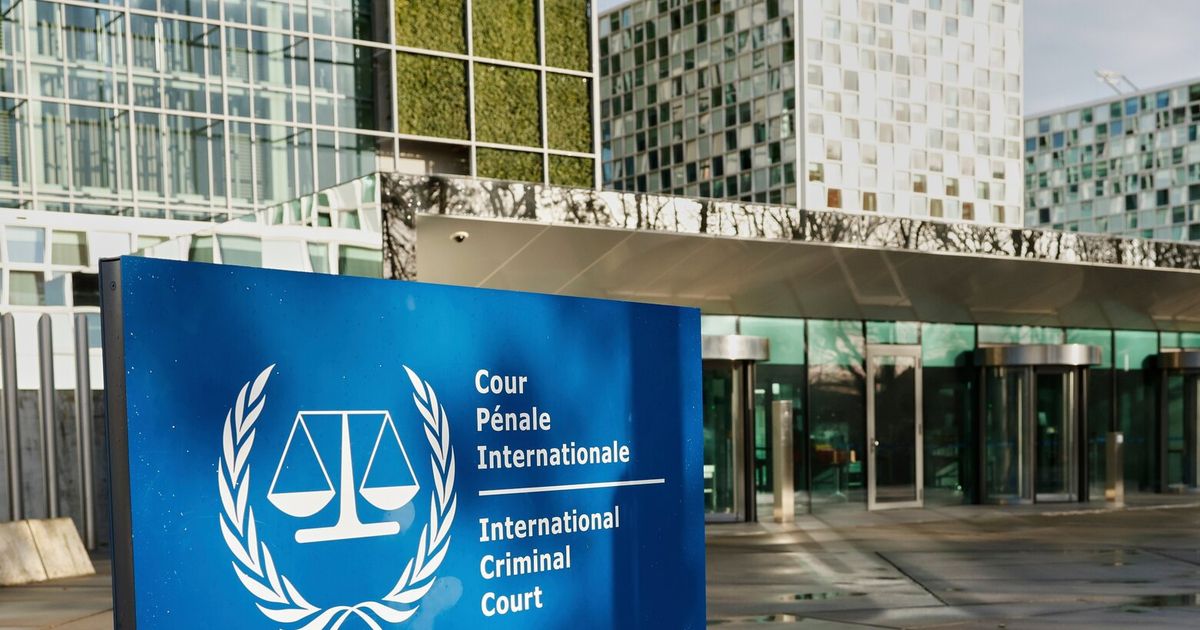
 Seattle TimesUS hits International Criminal Court with sweeping sanctions
 Wall Street JournalOpinion | The ICC Is a Threat to America

 Daily MailTrump administration sanctions ICC as Rubio dubs it a 'rogue court'
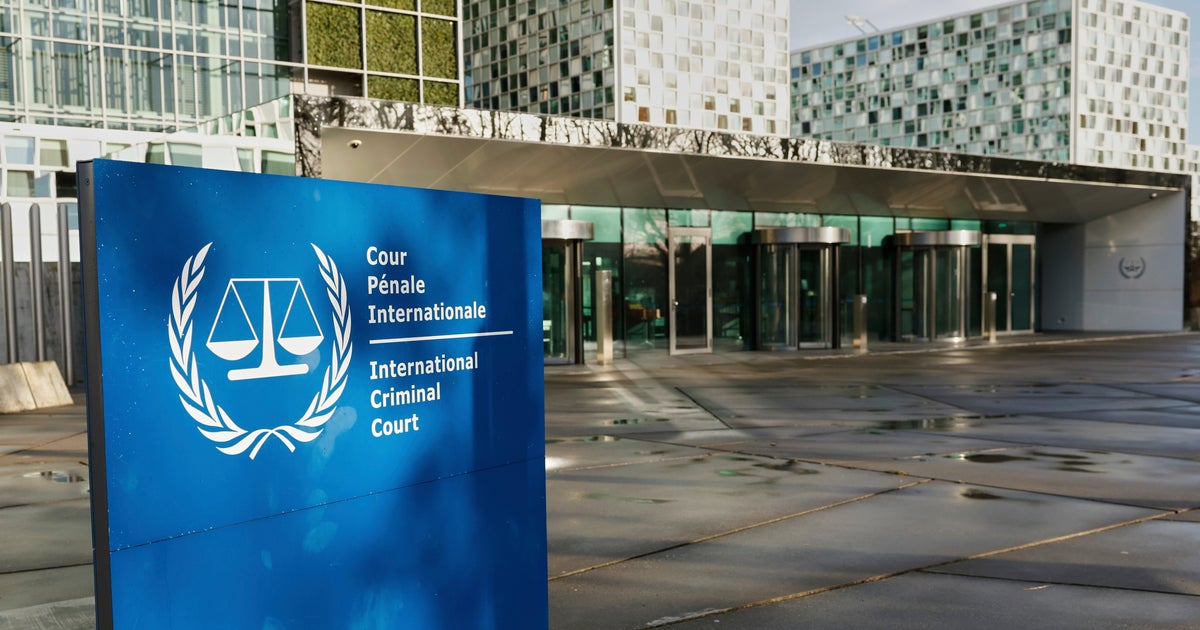
 HuffPostU.S. Imposes Sanctions On International Criminal Court, Hours After Former Judge Wins Nobel
 CBS NewsU.S. sanctions International Criminal Court, vowing to dismantle it "brick by brick" without changes
 TownhallRubio Pulls Major Move Against International Criminal Court

 TruthoutTrump Administration, Accused of Crimes Against Humanity, Sanctions Entire ICC

 Deseret NewsRubio: ‘Either the ICC will end its threats, or we will end the ICC’

 Western JournalMarco Rubio Announces Aggressive Action Against 'Rogue' International Criminal Court Over 'Threats' to Americans

 New RepublicTrump Sanctions ICC Hours After Losing Nobel Prize to Former Judge
 NewsweekJimmy Kimmel mocks Donald Trump ahead of Nobel Peace Prize reveal
 RedStateMarco Rubio Just Went Full Beast Mode on the ICC — and What Comes Next Is Absolutely Brutal

 Joe.My.God.WH Sanctions ICC After Judge Wins Nobel Peace Prize
 Fortune‘Piece by piece’: Trump administration vows to dismantle International Criminal Court
 ZeroHedgeUS Hits 'Rogue' International Criminal Court With Sweeping Sanctions
What happened
The Trump administration imposed sanctions on the International Criminal Court, blocking ICC assets under U.S. jurisdiction. The order also restricts U.S. people and businesses from transactions with the court. The administration says the move defends U.S. sovereignty because the United States never joined the Rome Statute and rejects ICC authority over Americans. It also objects to cases involving Israeli officials. The sanctions escalate a longer dispute after earlier U.S. sanctions on ICC personnel, Israeli arrest warrants and a closed Afghanistan investigation involving U.S. personnel. The ICC called the move an attack on justice, while allies reaffirmed support. Covered dealings get a six-month wind-down period. ICC President Tomoko Akane sought member-state help, and Secretary of State Marco Rubio warned of possible further action.
How the left told it
Left-leaning outlets framed the sanctions as an attempt to weaken the court itself, with rule-of-law concerns driving the stakes. The New York Times emphasized a shift from pressure on people to an effort to cripple the war-crimes court. The Guardian centered the ICC’s charge that the move sought to “obstruct the course of justice”.
How the right told it
Right-leaning outlets treated the sanctions as both a sovereignty fight and a sharp escalation against a court Trump wants curbed. Fox News stressed Trump’s broader push to dismantle the ICC, while noting the court’s rule-of-law backlash. The New York Post highlighted Rubio’s argument that the court threatened Americans despite U.S. nonmembership.