
Nov 26, 2026November 26, 2026
Trump Tariffs Draw Backlash
Existing trade agreements face new pressure as Washington seeks concessions from its partners.
Coverage: Balanced14 articles from 12 outlets

 Washington TimesTrump's tariff do-over gets a frosty reception across Asia, with some vowing payback
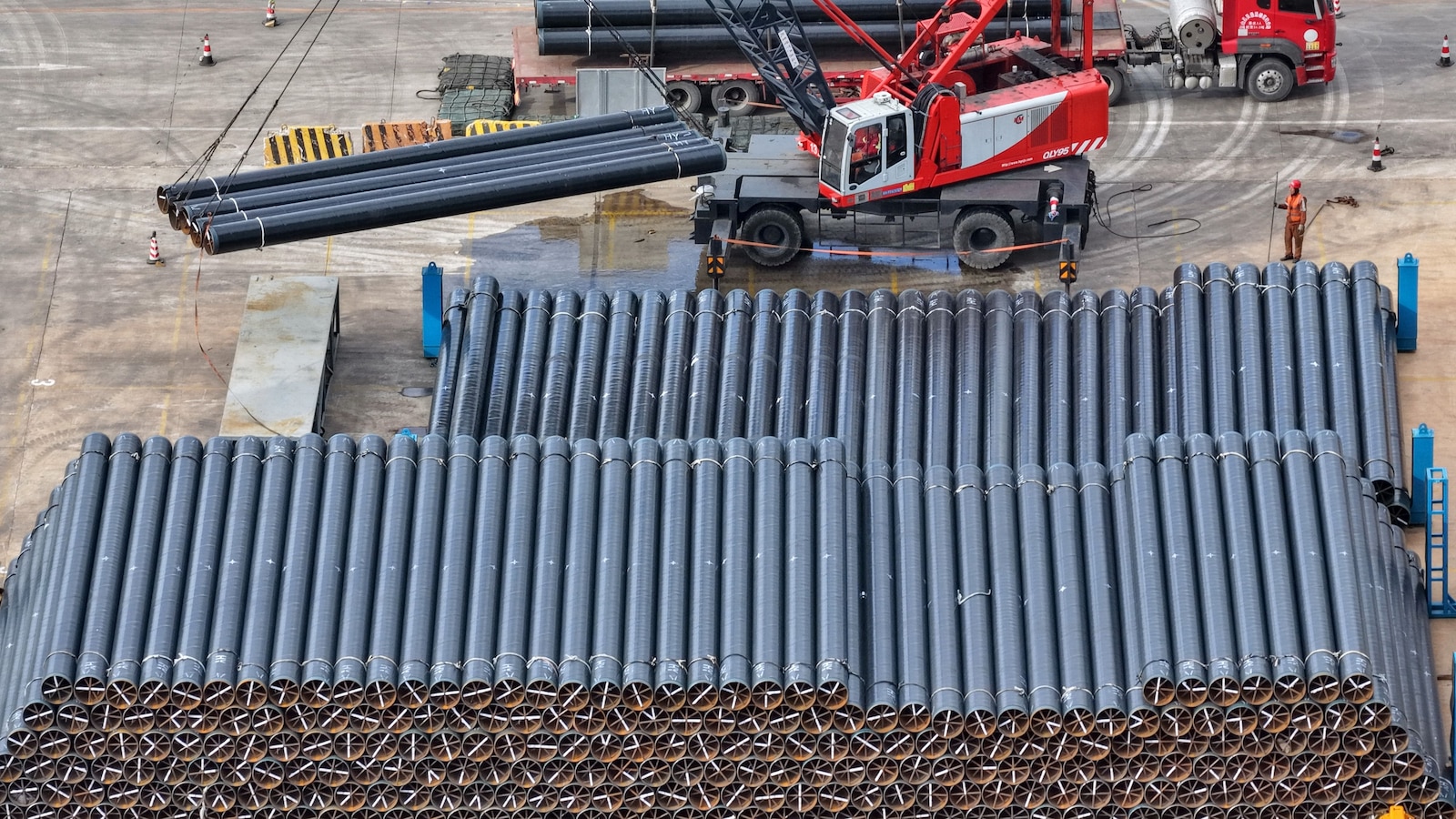
 ABC News· AP reportChina and other U.S. trading partners hit back at Trump's new tariff plans
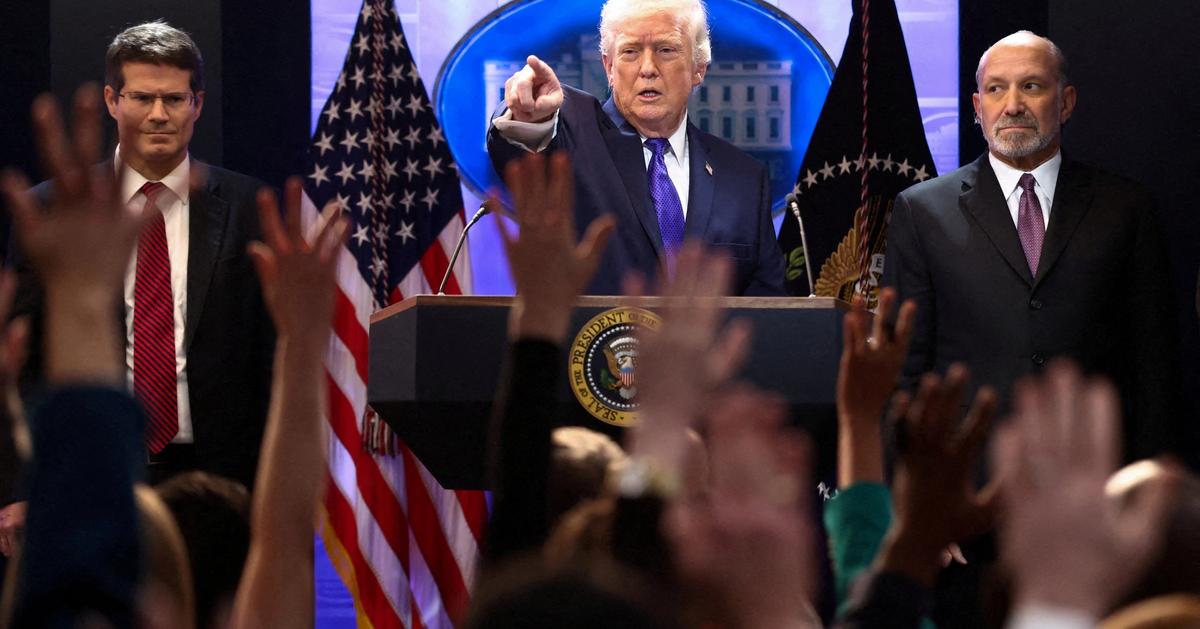
 SemaforWashingtonâs latest tariffs spark anger abroad

 NPRTrump administration proposes new tariffs on goods from major U.S. trading partners

 Washington ExaminerIncoming Democratic congressional majorities set to challenge Trump tariffs

 Al Jazeera· AnalysisAre Trump’s tariffs aimed at securing US-friendly trade deals?

 Boston Globe· AP reportChina and other US trading partners hit back at Trump’s new tariff plans

 CNBCU.S. tariff-hike threats pile pressure on partners to sign trade deals
 Associated PressChina and other U.S. trading partners hit back at Trump's new tariff plans

 BloombergUS Partners Respond to Tariffs With Anger, Protest and Diplomacy
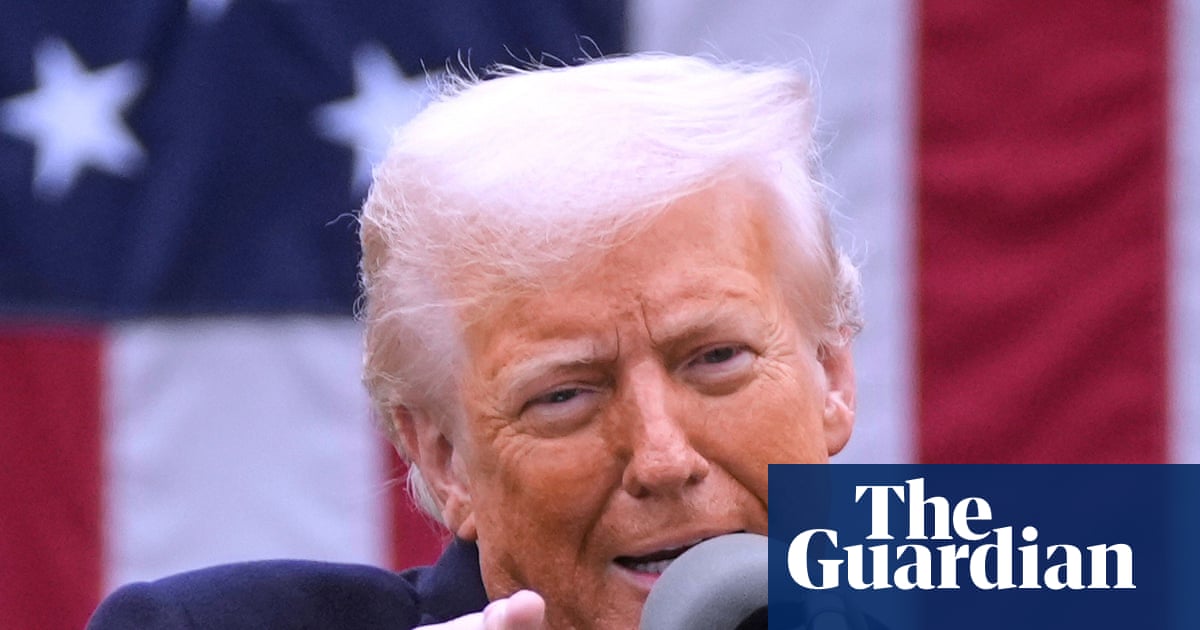
 The Guardian· Wire reportTrump tariff threat ‘unacceptable’, says Brazil, as China denounces levies as baseless
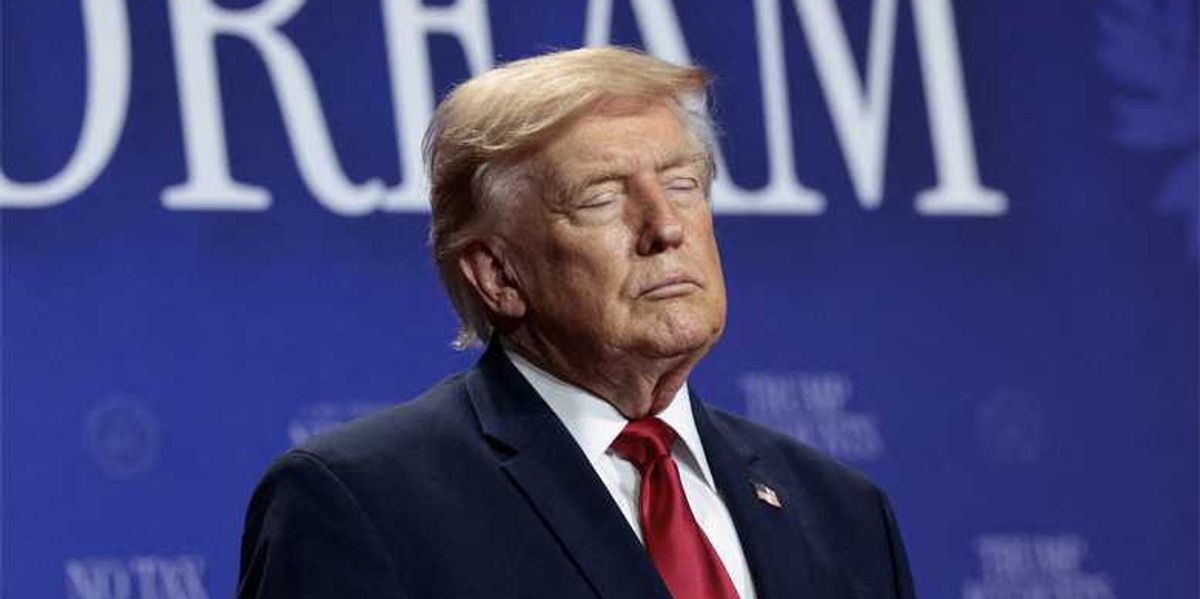
 Raw Story· OpinionWSJ editors torch Trump’s post-midterm tariff gambit: ‘Talk about not getting the message’
What happened
- China, Japan and other U.S. trading partners protested Trump's proposed tariffs Thursday, while several governments signaled a preference for negotiations over retaliation.
- Japan formally protested proposed duties of up to 15%, with Chief Cabinet Secretary Minoru Kihara rejecting U.S. claims that Japan has excess production capacity.
- The proposals would help restore tariffs after the Supreme Court struck down most of Trump's sweeping import taxes in February.
- Chinese Commerce Ministry spokesperson He Yadong urged Washington to resolve disputes through dialogue and implement agreed tariff cuts.
- The tariffs could take effect in January at the earliest, a senior U.S. official said, with lower rates possible for partners reaching trade deals.
How the left told it
Left-leaning outlets cast the tariffs as negotiating leverage with economic and political risks. Al Jazeera’s Stephen Quillen points to explicitly lower rates for countries reaching trade deals, while citing economist Inga Fechner’s warning that shifting legal justifications make protectionism harder to unwind. Raw Story’s Matthew Chapman relays the Wall Street Journal editorial board’s argument that product exemptions acknowledge tariffs raise prices and that renewed duties ignore voters’ economic concerns: “Talk about not getting the election message.”
How the right told it
Right-leaning outlets framed tariffs as a growing affordability problem facing new congressional resistance. The Washington Examiner described a policy that has “increased costs for businesses and consumers,” citing research showing higher prices for imports and American-made goods. It emphasized that incoming Democratic majorities could challenge tariffs but would need Republican help.