James Watson, DNA Co-Discoverer and Controversial Figure, Dies at 97
James Watson, co-discoverer of DNA's double helix and Nobel laureate, died at 97. His legacy includes revolutionary science and significant ethical controversies.
 FOX News
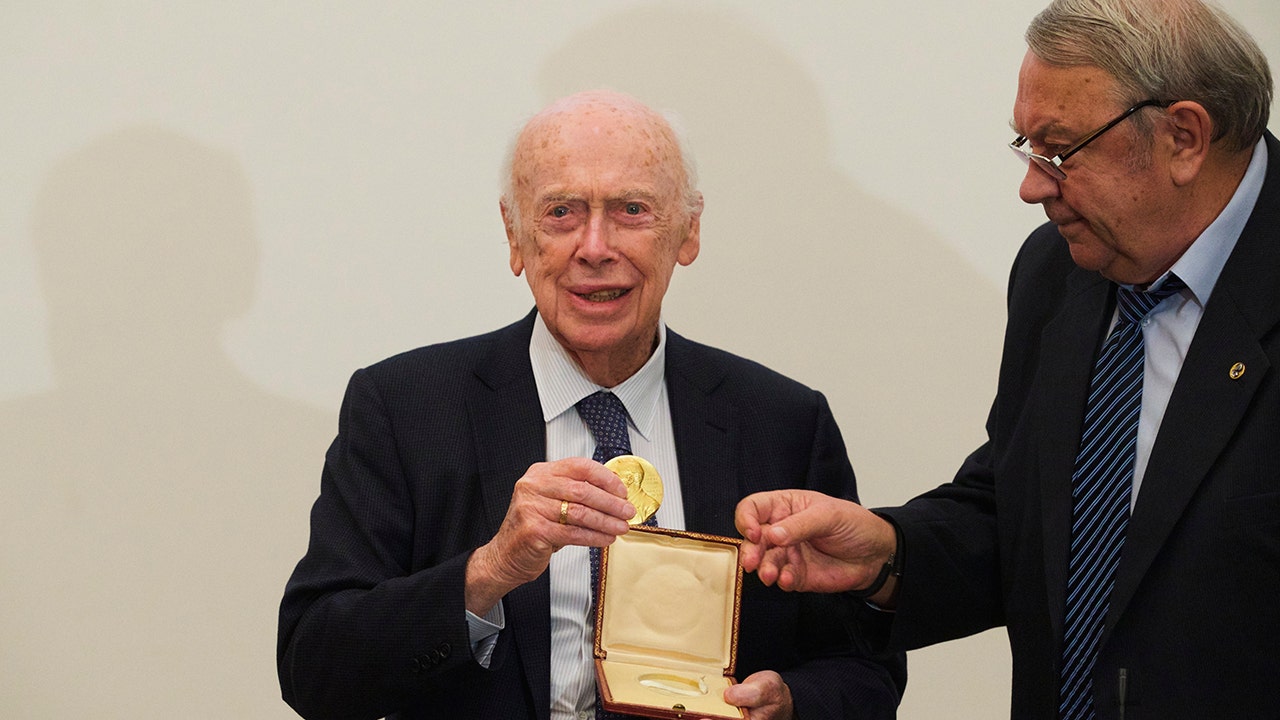
James Watson, Nobel Prize-winning co-discoverer of DNA’s double-helix structure, dead at 97
 ARS Technica
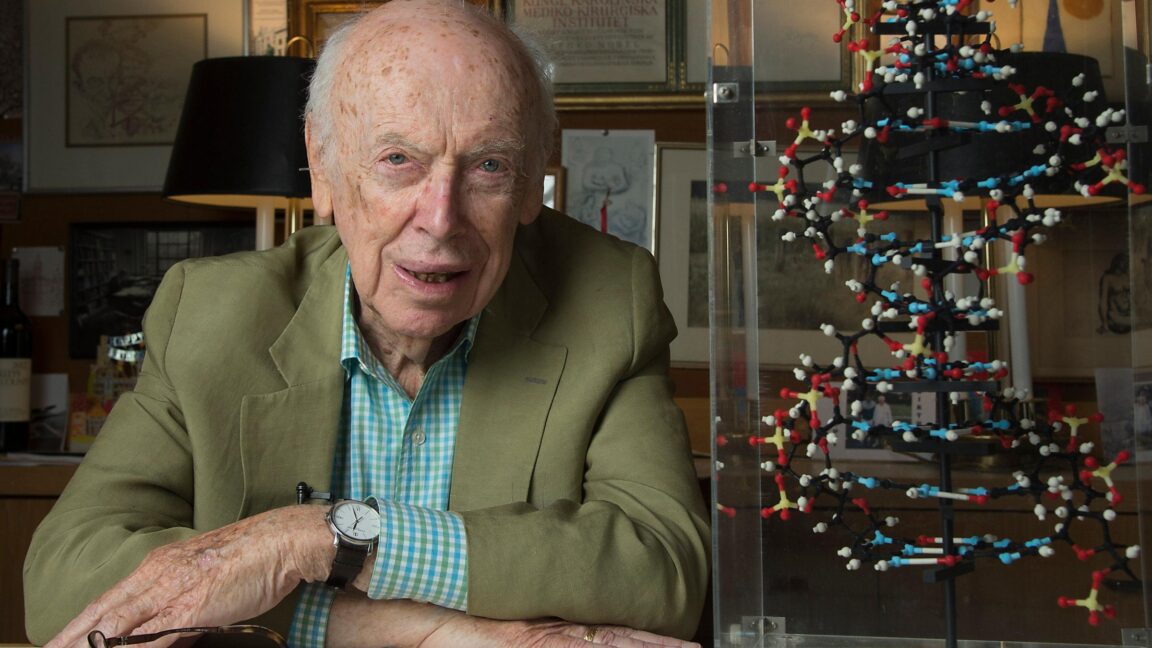
James Watson, who helped unravel DNA’s double-helix, has died

 Al Jazeera
James Watson, who co-discovered DNA double helix, dies at 97
 ABC News
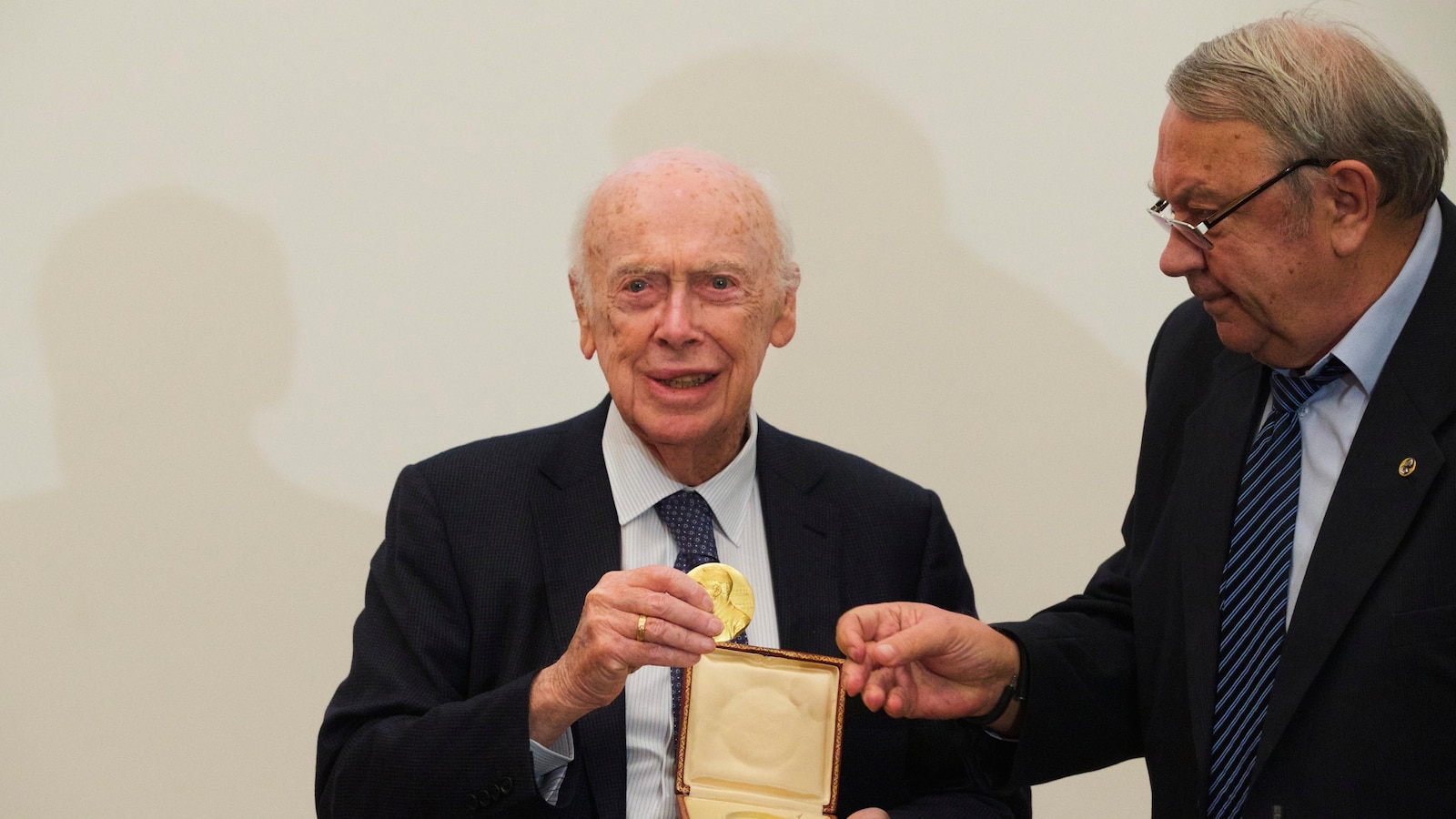
James Watson helped crack DNA's code, sparking medical advances and ethical debates
Overview
James Watson, co-discoverer of DNA's double helix, died at 97 after a brief illness in hospice care, confirmed by his son and former research lab.
Watson, Francis Crick, and Maurice Wilkins shared the 1962 Nobel Prize for their groundbreaking discovery of DNA's double helix structure, revolutionizing genetics and medicine.
Watson's pivotal work sparked immense medical advances and ethical debates, notably through his announcement of a huge investment in ethics research at a news conference.
Watson faced criticism for his disparaging portrayal of Rosalind Franklin in his book 'The Double Helix', despite her crucial contributions to the understanding of DNA's structure.
Later, Watson faced severe backlash and professional censure for racist remarks, leading to his alienation from the scientific community and suspension from his laboratory position.
Analysis
Center-leaning sources provide neutral coverage of James Watson's death, presenting a balanced account of his monumental scientific achievements and his deeply controversial remarks. They consistently highlight both his groundbreaking co-discovery of DNA's structure and the widespread condemnation he faced for his racist statements, ensuring a comprehensive portrayal of his complex legacy without editorial bias.
FAQ
James Watson co-discovered the double helix structure of DNA in 1953 with Francis Crick, a revolutionary breakthrough that explained how genetic information is stored and replicated. This discovery was foundational to genetics and molecular biology, leading to numerous medical advances. He also authored influential works such as 'Molecular Biology of the Gene' and 'The Double Helix.'
Watson became controversial due to his disparaging remarks about Rosalind Franklin's contributions in his book 'The Double Helix' and later for racist comments that led to his professional censure and suspension. These controversies alienated him from much of the scientific community despite his scientific achievements.
James Watson, Francis Crick, and Maurice Wilkins were awarded the 1962 Nobel Prize in Physiology or Medicine for their discoveries concerning the molecular structure of nucleic acids (DNA) and its significance for information transfer in living organisms. Their work is credited with revolutionizing genetics and medicine.
Rosalind Franklin’s X-ray diffraction work produced critical images, especially Photo 51, that provided key evidence for the helical structure of DNA, which Watson and Crick used to deduce the double helix model. Despite her crucial contributions, she was underacknowledged by Watson initially.
After the DNA discovery, Watson taught biology at Harvard University from 1955 to 1976 and conducted further research on nucleic acids and protein synthesis. He also promoted ethics research and authored influential scientific texts, but his later career was marred by controversy and professional censure.