Interstellar Comet 3I/ATLAS Revealed in NASA Images, Set for 2025 Earth Flyby
NASA has released close-up images of interstellar comet 3I/ATLAS, clarifying its natural origin. The comet, estimated 1,444 feet to 3.5 miles wide, will make its closest Earth approach on December 19, 2025.
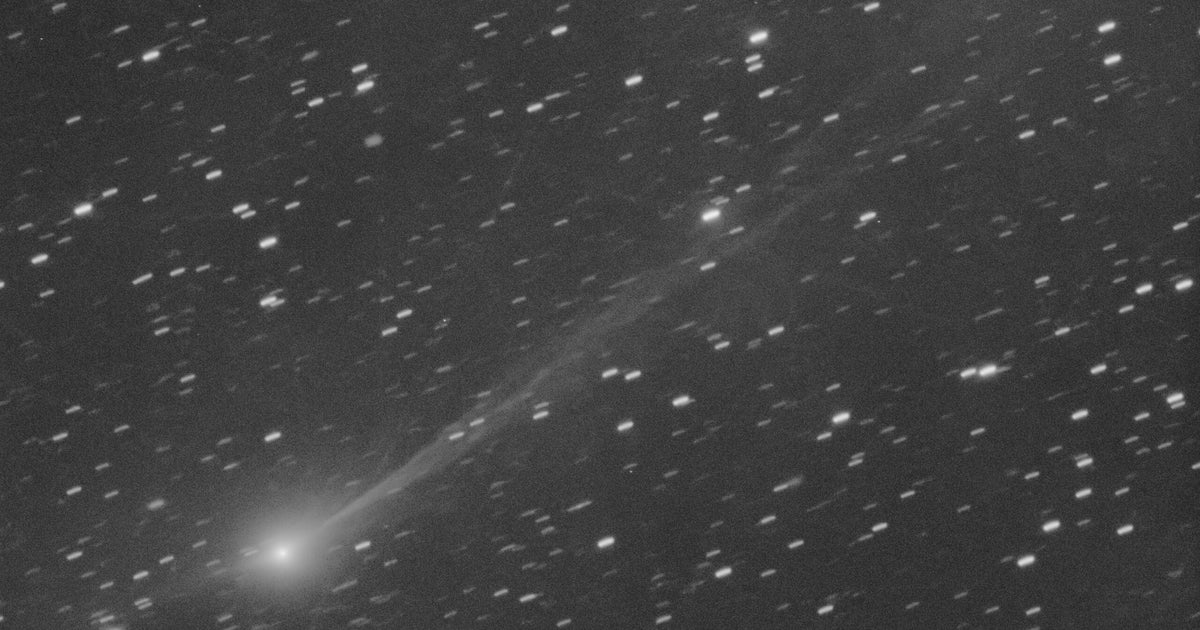
 CBS News
NASA releases close-up images of interstellar comet making a rare flyby
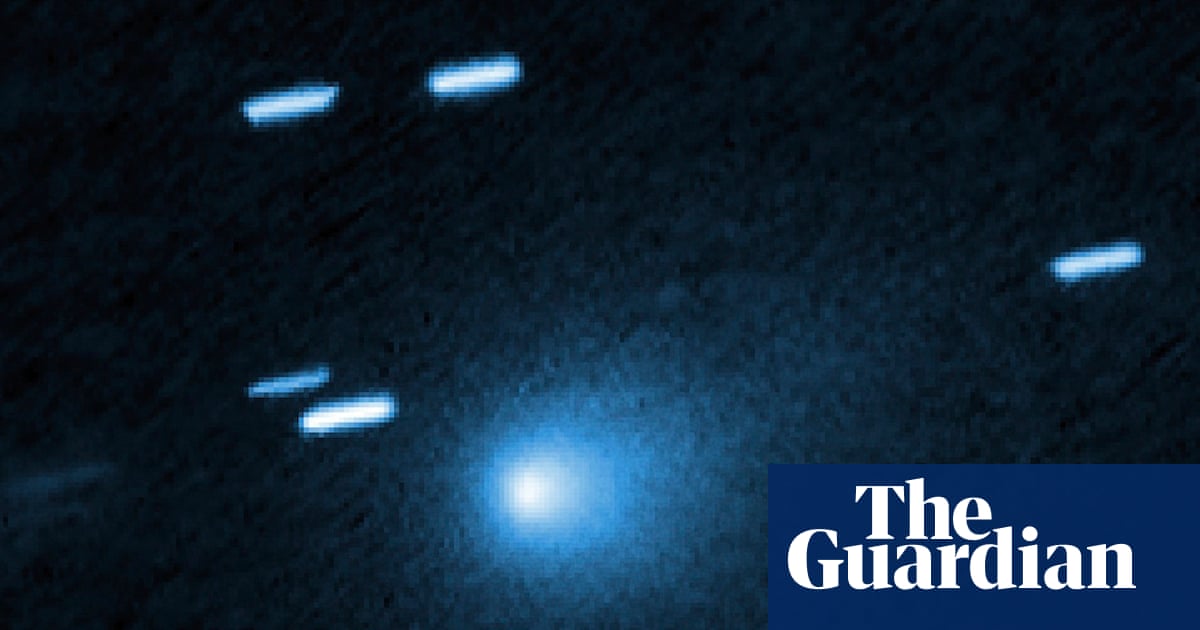
 The Guardian
Nasa releases close-up pictures of comet flying by from another star system

 Wired
WiredNASA Finally Weighs In on the Origin of 3I/ATLAS
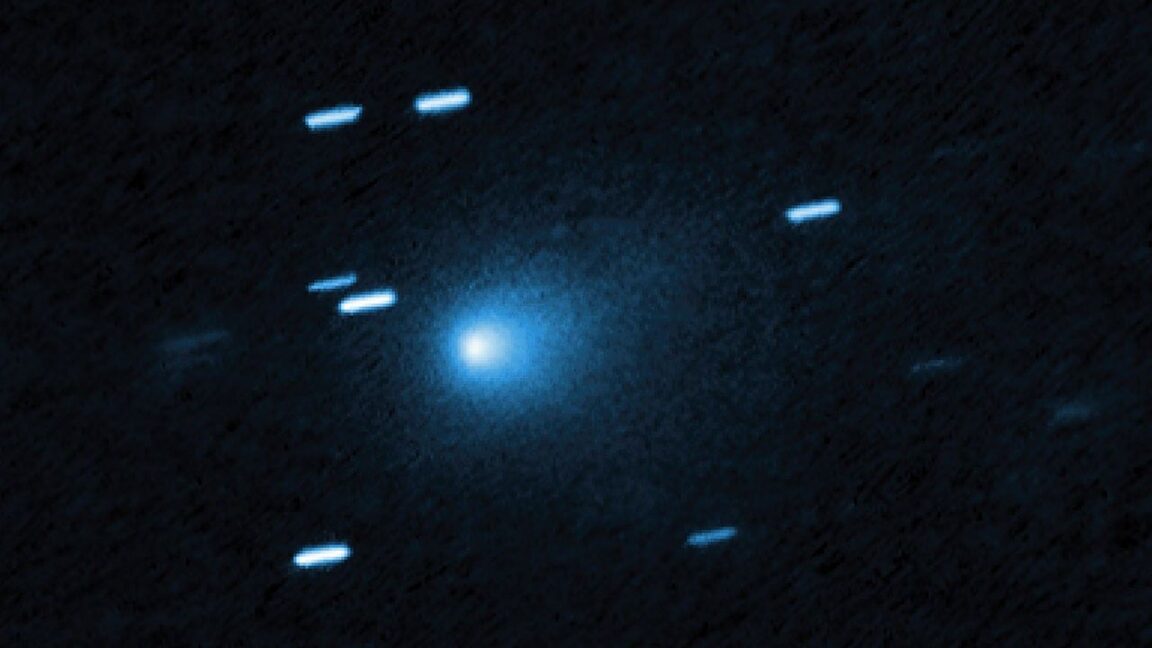
 ARS Technica
NASA really wants you to know that 3I/ATLAS is an interstellar comet
Overview
NASA released close-up images of interstellar comet 3I/ATLAS, confirming it as the third object from another star system. Reports from CBS News and The Guardian highlighted these rare observations.
NASA clarified that 3I/ATLAS is a natural comet, not a spacecraft or alien ship, addressing public interest. This unique object is estimated to be between 1,444 feet and 3.5 miles across.
The comet, visible from Earth in the predawn sky with binoculars or a telescope, was captured by NASA and ESA's Juice spacecraft during its single pass through our solar system.
First detected in July, 3I/ATLAS will make its closest approach to Earth on December 19, 2025, at distances ranging from 167 million miles to 267 million kilometers.
Scientists, including NASA and ESA teams, are closely monitoring 3I/ATLAS, which is unusually rich in carbon dioxide and nickel, to gain insights into distant star systems.
Analysis
Center-leaning sources frame this story by strongly emphasizing NASA's scientific consensus that 3I/ATLAS is a comet, not a spacecraft. They use dismissive language towards alternative theories, portraying them as mere "speculation" from "the usual suspect." The narrative prioritizes official scientific findings, reinforcing the established view and marginalizing dissenting perspectives through editorial choices.
FAQ
3I/ATLAS is only the third known object to enter our solar system from another star system, following 'Oumuamua and Borisov. Its detection provides scientists with rare opportunities to study material from outside our solar system, offering insights into the composition and conditions of distant star systems.
3I/ATLAS will make its closest approach to Earth on December 19, 2025, at a distance of about 167 million miles (267 million kilometers), posing no threat to our planet.
3I/ATLAS is unusually rich in carbon dioxide and nickel, which is rare for comets originating in our solar system. This composition suggests it formed in a different environment, possibly around another star.
3I/ATLAS has been observed by several NASA missions including Hubble, James Webb Space Telescope, TESS, Swift, SPHEREx, Perseverance Mars Rover, Mars Reconnaissance Orbiter, MAVEN, and the Psyche spacecraft. ESA's Juice and SOHO spacecraft have also contributed observations.
3I/ATLAS will not be visible to the naked eye from Earth, but it can be observed in the predawn sky with binoculars or a telescope during its closest approach.

