Study Finds Giant 'Kraken' Octopuses Were Late Cretaceous Apex Predators
Fossilized octopus jaws revealed by digital fossil-mining suggest finned octopuses reached nearly 20 meters and occupied apex-predator roles in Late Cretaceous oceans, according to a Science paper published April 23, 2026.

 The Debrief
Colossal Octopus Fossils Suggest a 60-Foot "Kraken" Once Ruled the Oceans
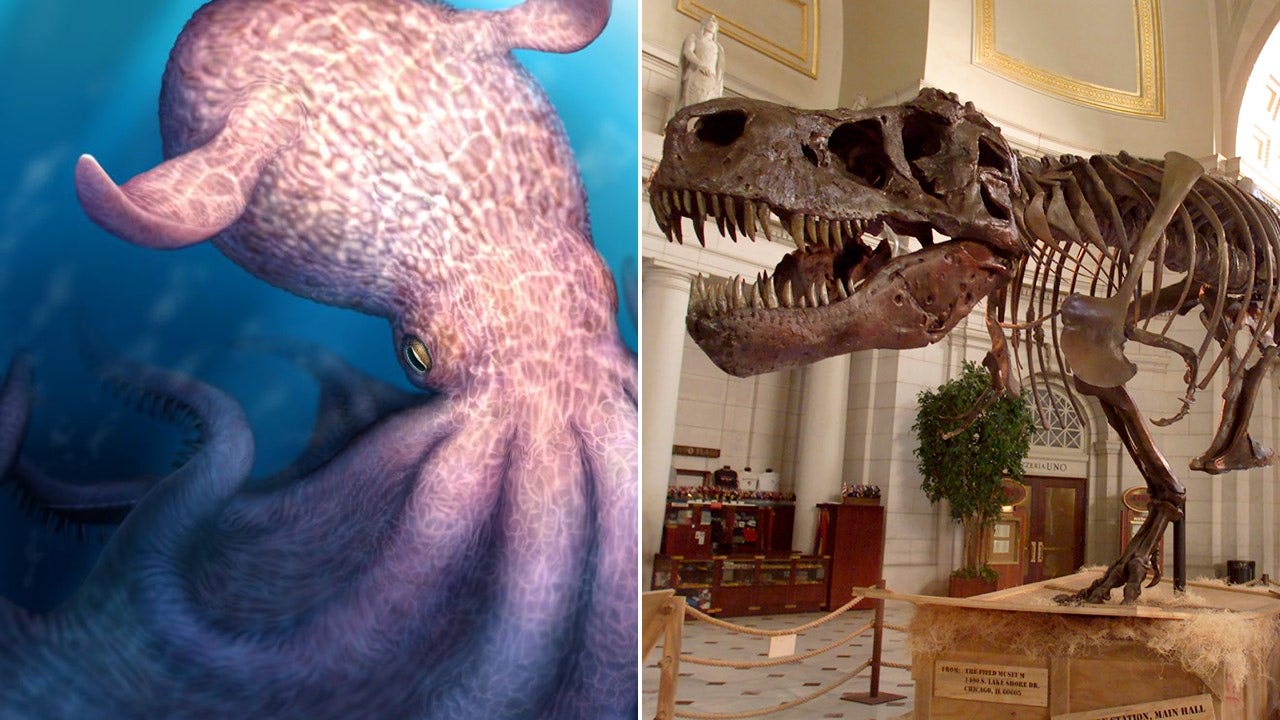
 FOX News
'Gigantic' ancient octopus used jaws to crush prey and hunted alongside the dinosaurs 100M years ago: study

 NPR
NPRA real-life Kraken stalked the seas of the late Cretaceous
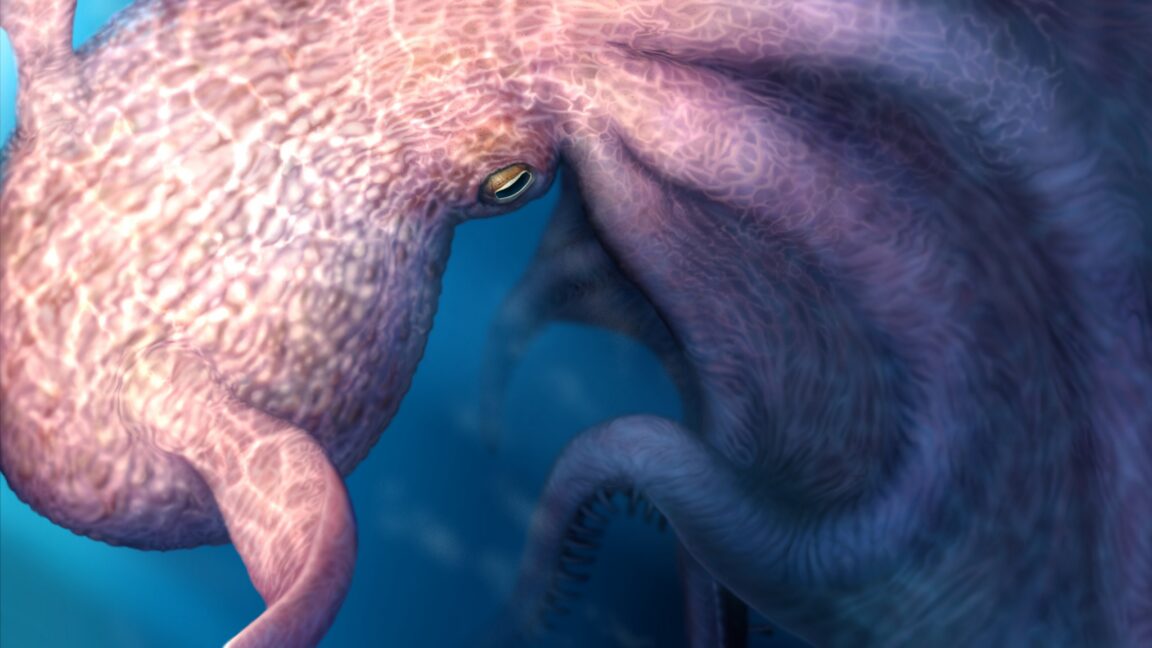
 ARS Technica
Meet the 19-meter Cretaceous kraken that swam with mosasaurs
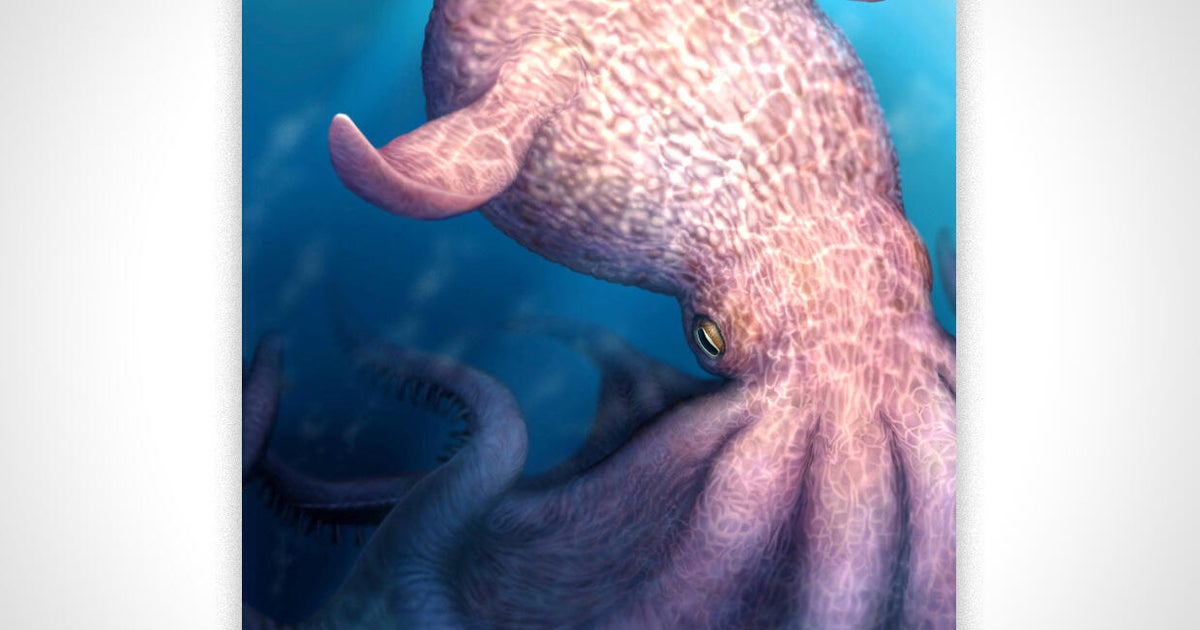
 CBS News
60-foot octopus prowled seas as apex predator during age of dinosaurs, fossilized jaws show
Overview
A Science paper published on April 23, 2026, reports fossilized octopus jaws indicating finned octopuses reached massive sizes and acted as apex predators in Late Cretaceous oceans.
Researchers used high-resolution grinding tomography and digital fossil-mining, including AI-assisted 3D reconstruction, to reveal jaws hidden inside concretions from Japan and Vancouver Island.
Lead author Iba Yasuhiro of Hokkaido University said the findings show octopuses could evolve large size, advanced behavior, and powerful jaws that processed hard prey.
The team studied 15 previously found jaws and identified 12 more using digital fossil-mining, and estimated total lengths ranging roughly 23 to 62 feet and about 19 meters in different analyses.
Researchers and outside paleontologists said the results reshape views of Cretaceous food webs, and the team and others plan further searches to clarify diet and ecosystem roles.
Analysis
Center-leaning sources frame the story sensationally by foregrounding mythic language ("kraken", "colossal", "ruled the oceans") and dramatic headers while privileging the lead researcher’s quotes about giant size and top-predator status. Editorial choices spotlight novel methods as "ground-breaking" and omit external skeptical voices, even though methodological caveats appear only within source quotes.