Blue Origin's New Glenn Explodes, Heavily Damaging Cape Canaveral Pad
New Glenn blew up during a static-fire test, heavily damaging LC-36A, jeopardizing an Amazon Leo satellite launch and NASA lunar contracts.

 PBS NewsHour
How a Blue Origin rocket explosion could impact NASA's moon mission

 Washington Times
Blue Origin investigates rocket explosion as public is warned about possible wreckage washing ashore

 NBC News
Blue Origin’s rocket explosion is a big setback for NASA’s moon goals
 TIME Magazine
Blue Origin Explosion Will Set Back NASA's Moon Mission
Overview
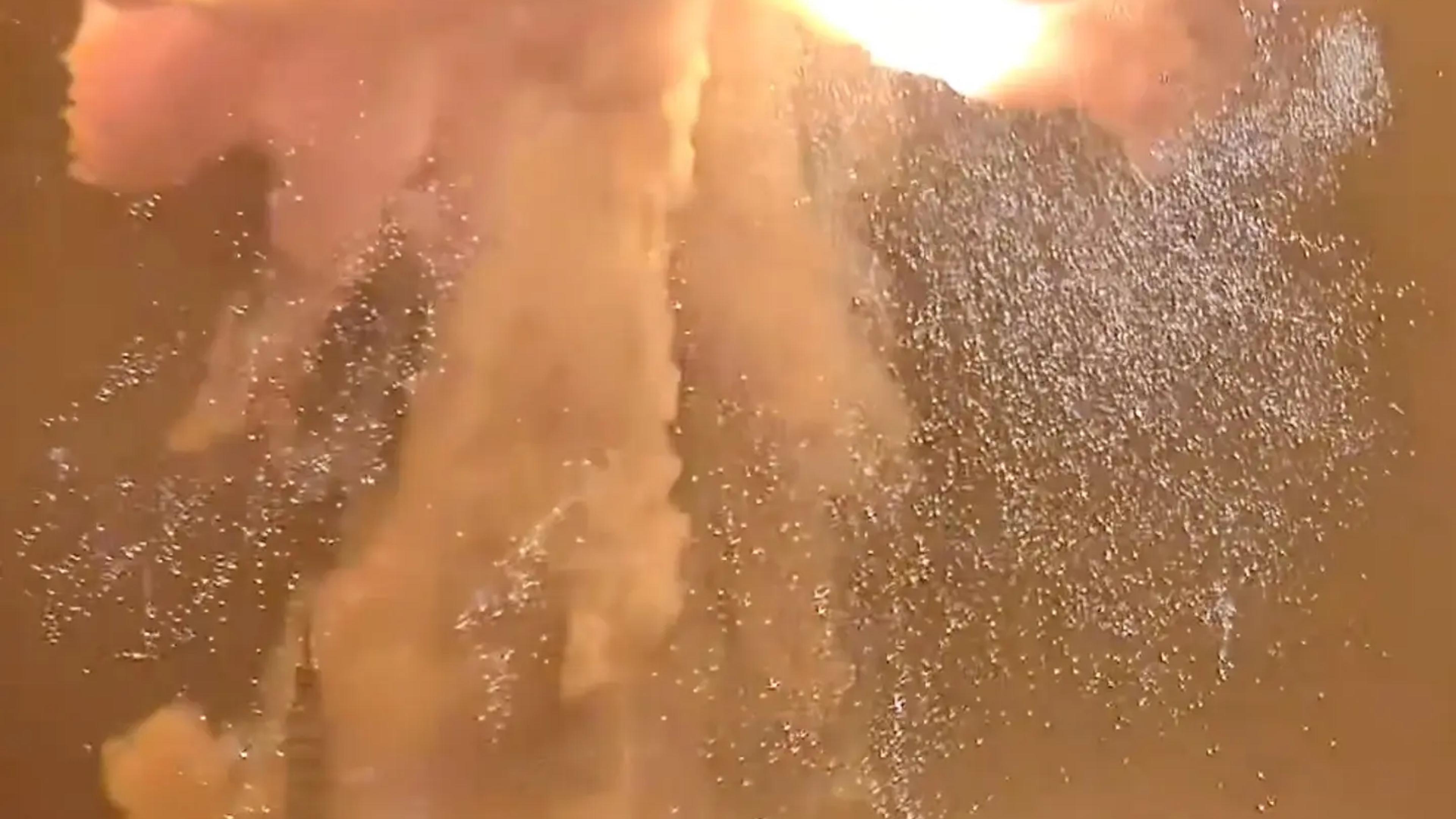
Blue Origin's New Glenn rocket exploded during a static-fire test at Launch Complex 36A at Cape Canaveral on May 29, 2026, causing extensive damage but injuring no one, company and Space Force officials said.
The blast destroyed much of Blue Origin's sole New Glenn launch pad, jeopardizing a planned launch as early as June 4 that would have carried 48 Amazon Leo satellites, analysts said.
Jeff Bezos said on X the cause is unknown and vowed to rebuild, NASA Administrator Jared Isaacman called heavy-lift development extraordinarily difficult, and Space Force officials said other launches would not be affected.
NASA awarded Blue Origin up to $468 million to deliver two commercial lunar rovers by 2028, a contract that depends on New Glenn's availability, raising questions about NASA's lunar timeline.
At sunrise on Friday teams from Blue Origin, the Space Force and NASA will begin more thorough damage assessments, and analysts said rebuilding and recertifying the pad is likely to take months, not weeks.
Analysis
Center-leaning sources frame the story as a major Blue Origin setback that imperils NASA and Amazon plans by using dramatic language ("spectacular explosion," "big question mark"), selective context (FCC deadlines, satellite shortfall, SpaceX comparisons), and emphasis on consequences. Source content (Bezos, Isaacman, Musk quotes) is presented but subordinated to a narrative of failure and delay.