NOAA Declares El Niño; Models Warn Of Very Strong Event
NOAA declared El Niño has begun and gives a 63% chance it will be very strong in November–January, possibly ranking among the largest events since 1950.
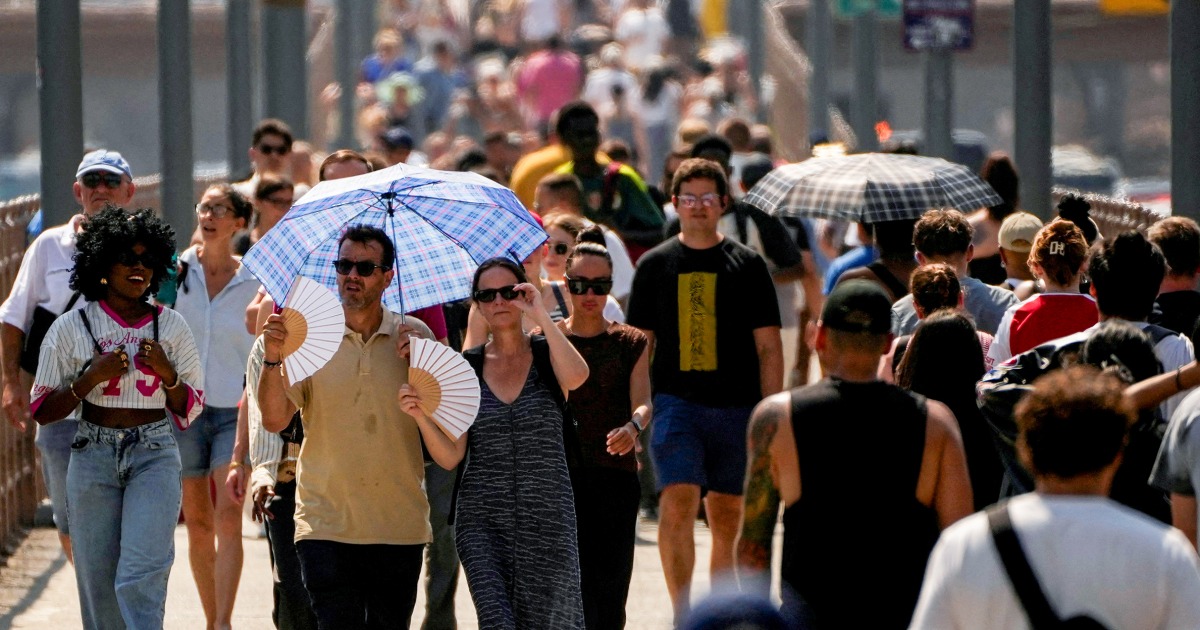
 NBC News
El Niño is officially here, and this one could be a doozy
 The Guardian
‘Super El Niño’ is officially here, scientists say. What can we expect?

 Wired
WiredEl Niño Is Here to Turn the World’s Weather Upside Down

 Washington Times
El Nino is here and scientists fear it’ll be big, bad and costly with heat, floods, droughts, fires
Overview
NOAA declared El Niño has begun and said there is a 63% chance it will be very strong during November–January, potentially ranking among the largest events since 1950.
Forecasters warned a very strong El Niño typically raises global temperatures and could put 2027 in contention to break heat records, according to NOAA and other scientists.
Some US and European models show tropical Pacific sea surface temperatures potentially climbing more than 3C above average by year-end, signaling unusually high confidence in this event's strength, agencies said.
NOAA oceanographer Andrew Leising said two marine heat waves are already affecting the Pacific and that El Niño will likely drive additional warming, increasing risks of algal blooms and marine die-offs.
Forecasters expect El Niño to peak in fall or winter and said it will tilt seasonal weather—wetter in the US south, drier in parts of the Pacific Northwest, and fewer Atlantic hurricanes.
Analysis
Center-leaning sources frame El Niño as an intensifying climate threat, emphasizing record-heat risk and societal impacts by combining scientific forecasts with impact-focused commentary. Language highlights urgency ("super" El Niño, "record-hot"), experts on global warming are foregrounded, and affected communities' hardships are amplified through activist quotes and regional impact examples.