

NASA Swift Telescope Falls
NASA's Swift telescope reentered Earth's atmosphere after 22 years studying cosmic explosions.
November 4, 2026 · Updated Nov 4, 6:39pm ET
 PBS NewsHourA NASA space telescope plunged back to Earth after a mission that lasted 11 times longer than planned
 CBS News3,200-pound space telescope plunges back to Earth after 22 years in orbit

 Just the NewsNASA space telescope falls to Earth, marking end to its 22-year mission

 Daily BeastGiant Space Telescope Will Crash Into Earth Today
 Associated PressNASA space telescope plunges to Earth after two decades studying cosmic explosions
 ZeroHedgeNASA's Swift Telescope's Journey Ends After Failed $30 Million Rescue
 NewsNationNASA telescope reenters Earth’s atmosphere
 Breitbart NewsNASA space telescope plunges to Earth after two decades studying cosmic explosions
25%
Left · 2
38%
Center · 3
37%
Right · 3
Pano rates the coverage Balanced.
What happened
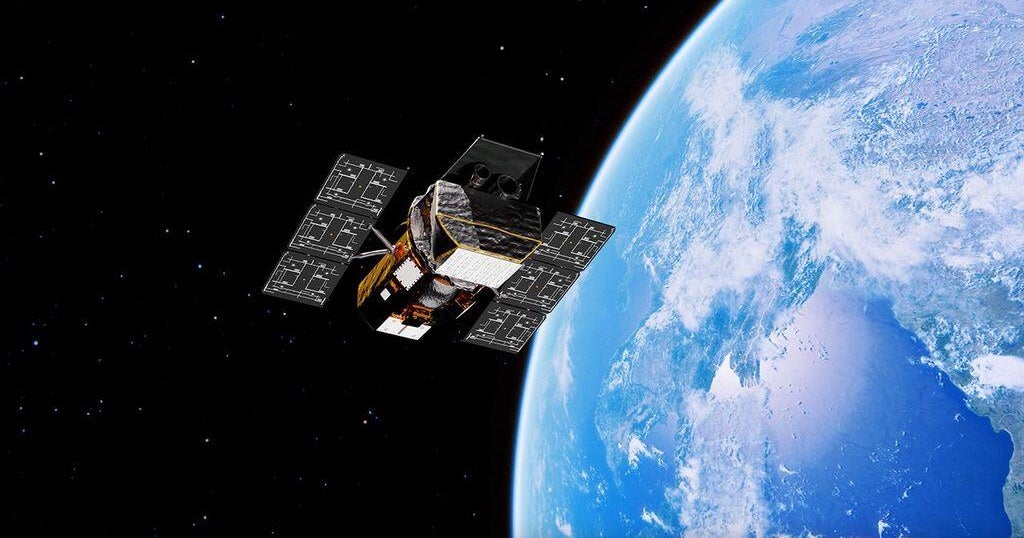
- NASA’s Swift Observatory reentered Earth’s atmosphere over Indonesia on Wednesday, ending a 22-year mission studying powerful explosions in space.
- Launched in 2004 for a planned two-year mission, Swift detected more than 2,000 gamma-ray bursts and 1,400 exploding stars.
- Intense solar activity increased atmospheric drag, pulling the roughly 3,200-pound telescope out of orbit faster than expected.
- NASA’s attempt to save Swift failed after a robotic spacecraft built by Katalyst Space
 Katalyst Space Technologiesspace services company in Flagstaff, Arizona, United States developed problems following its July launch and fell back to Earth in September.
- How much of Swift survived reentry remained unclear; NASA expected most of it to burn up but said some components could survive.
How the left told it
Left-leaning outlets emphasized Swift’s fall after decades in orbit, with different attention to its legacy and possible debris. PBS NewsHour highlighted a mission lasting “11 times longer than planned,” while the Daily Beast’s earlier headline warned the telescope would “Crash Into Earth Today” and stressed uncertainty over where fragments might land.
How the right told it
Right-leaning outlets framed Swift’s reentry as the end of a long scientific mission after a failed rescue. Breitbart and Just the News emphasized its 22 years studying cosmic explosions, far beyond its planned lifespan; ZeroHedge foregrounded the expense in its headline, “Journey Ends After Failed $30 Million Rescue.”


