

Global Fossil Emissions Fall
High oil prices and Iran-linked disruptions helped push renewables and cut emissions.
November 10, 2026 · Updated Nov 10, 10:45am ET
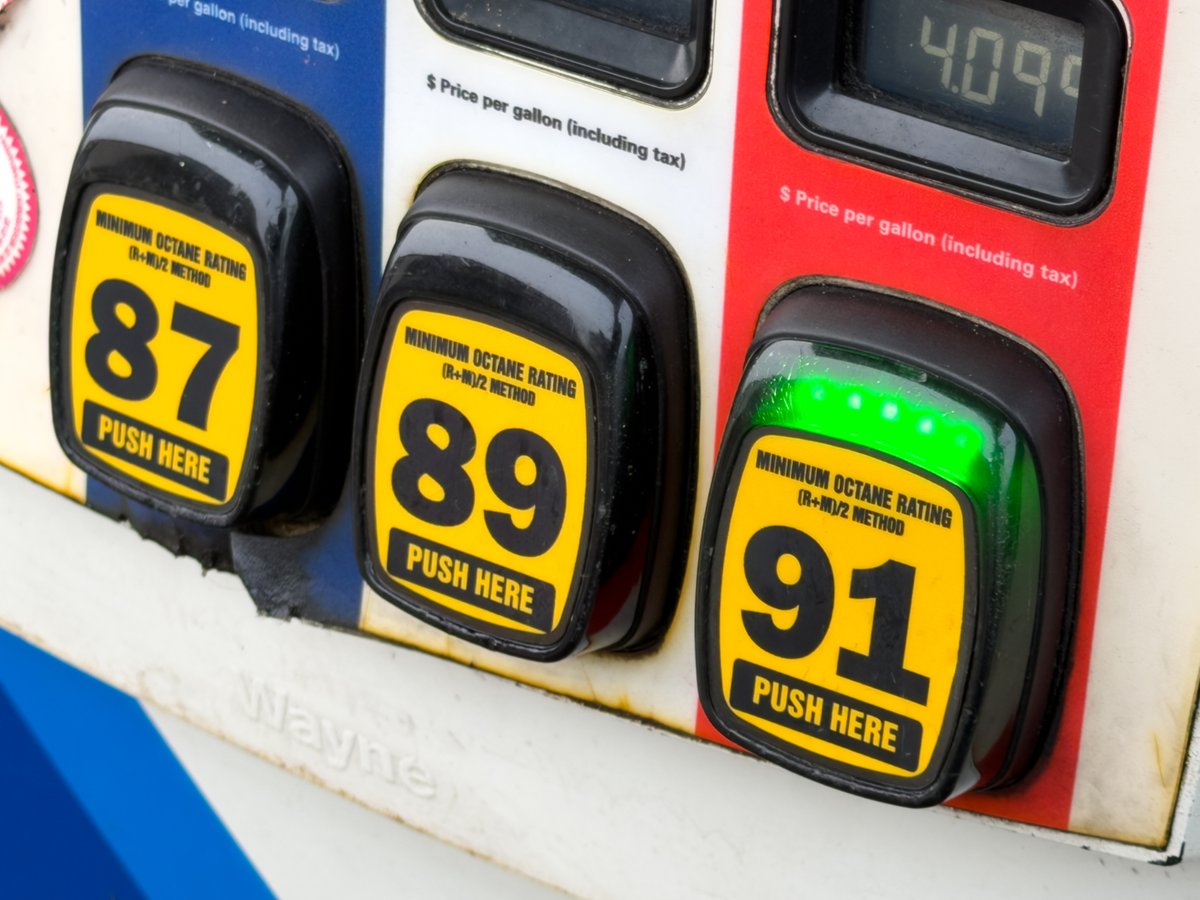
 Scientific AmericanOil prices are so high that CO2 emissions from fossil fuels are dropping
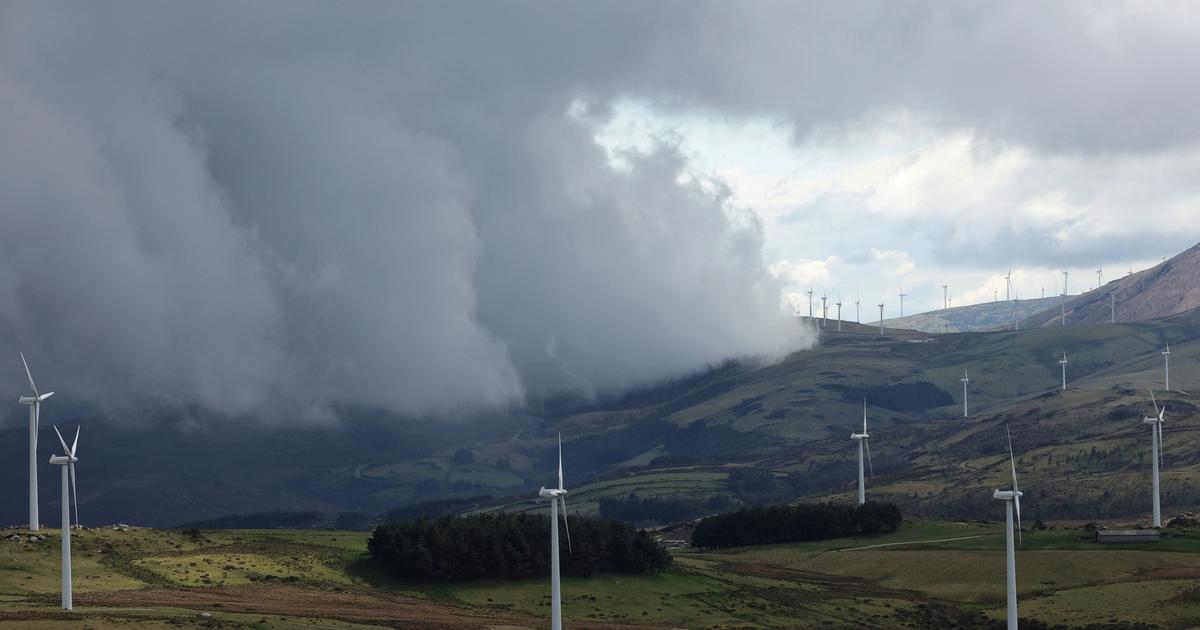
 SemaforMore renewables and Hormuz disruption drive emissions fall
 The GuardianSlight fall in carbon emissions from fossil fuels as Iran war drives renewables push
 ABC News· AP reportHeat-trapping carbon pollution drops, but scientists cite Iran war
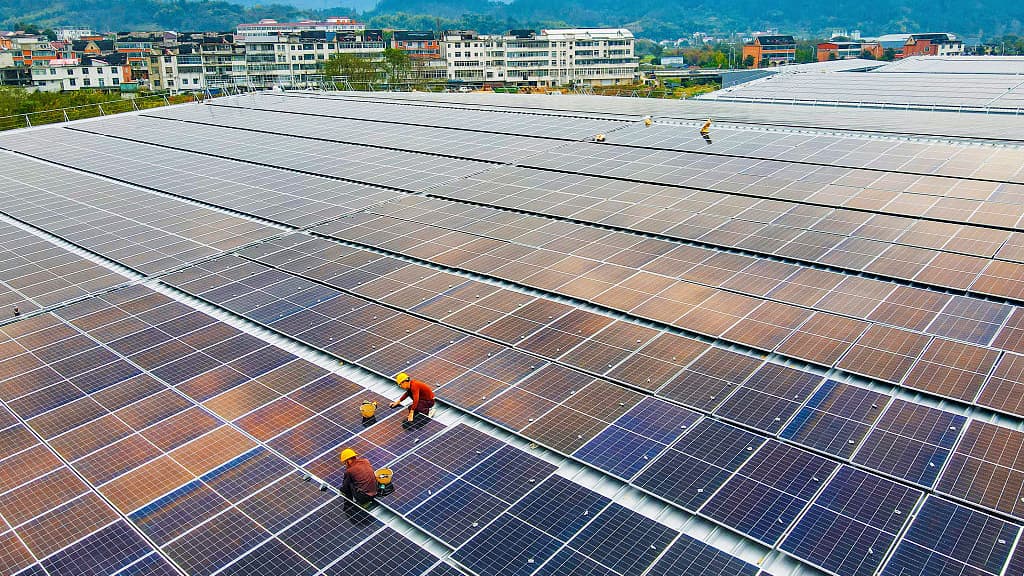
 TIME MagazineFossil Fuel Emissions Are Expected to Decrease in 2026
 Associated PressHeat-trapping carbon pollution drops, but scientists cite the Iran war rather than energy progress
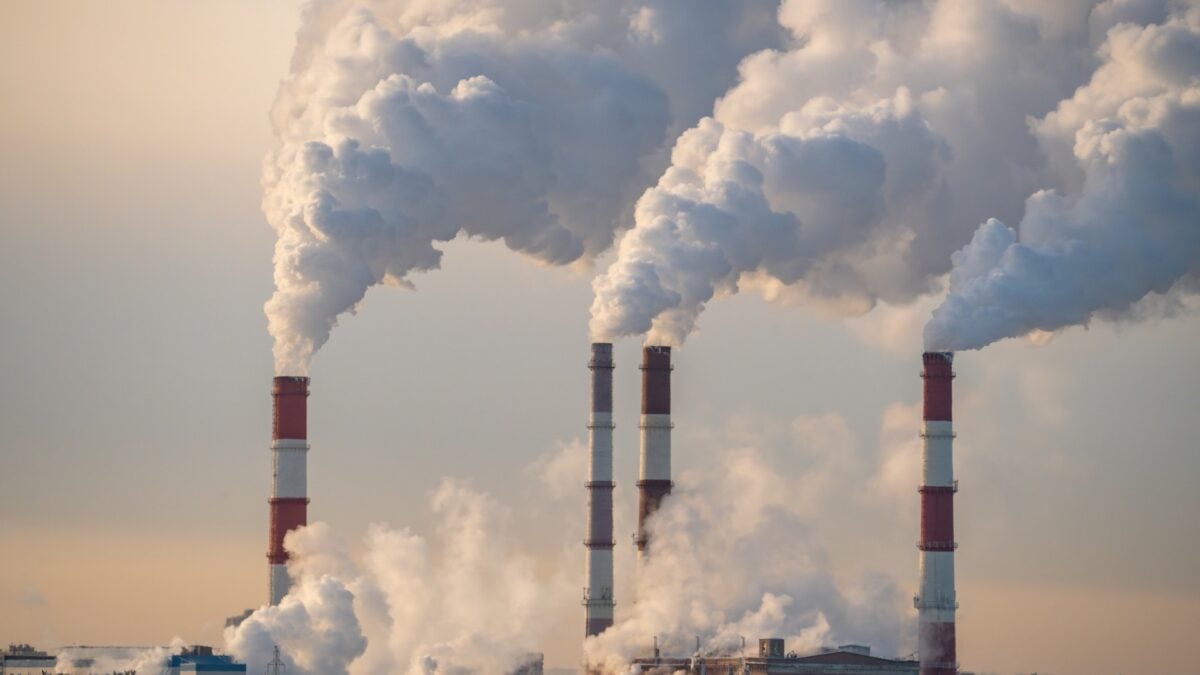
 GizmodoGlobal Fossil Fuel Emissions Fell in 2026
 USA TODAYIran conflict helped fight climate change (kind of)

 IFL ScienceCarbon Emissions Are Set To Drop In 2026, But Not Necessarily For All The Right Reasons
56%
Left · 5
44%
Center · 4
0%
Right · 0
Pano counted 9 articles from 9 outlets: 56% left-leaning, 44% center and 0% right-leaning. Pano rates the coverage Mostly Left.
What happened
- Global carbon dioxide emissions from fossil fuels are projected to fall 0.4% in 2026, according to the Global Carbon Project.
- Researchers linked the decline to higher oil prices caused by the Iran war and the growing use of solar power, wind power and electric vehicles.
- Fossil fuel emissions are expected to fall in China and the United States but rise in India.
- Total global carbon dioxide emissions are still expected to rise because increased emissions from deforestation and land-use changes outweigh the fossil fuel decline.
- Researchers warned that the fossil fuel decline could be temporary and does not yet show that emissions have reached a lasting peak.
How the left told it
Left-leaning outlets framed the decline as welcome but fragile, driven by the Iran war’s energy shock alongside clean-energy growth. The Guardian warned the fall “could be temporary,” while TIME quoted researcher Mike O’Sullivan calling it a “short term shock rather than a systemic peak.” Scientific American emphasized that total emissions still rise.
How the right told it
Right-leaning outlets we track didn't cover this story.


