Elon Musk's Grokipedia Launches as Wikipedia Rival, Facing Scrutiny Over Sourcing and Bias Claims
Elon Musk's xAI launched Grokipedia, an AI-generated encyclopedia, to compete with Wikipedia, sparking debate over its content sourcing, alleged biases, and article creation methods.

 New York Daily News
Elon Musk launches Grokipedia to compete with online encyclopedia Wikipedia
 PBS NewsHour
Elon Musk launched Grokipedia. Here's how it compares to Wikipedia

 Rolling Stone
Musk's Grokipedia Validates His Favorite Conspiracy Theories While Saying Nice Things About Him
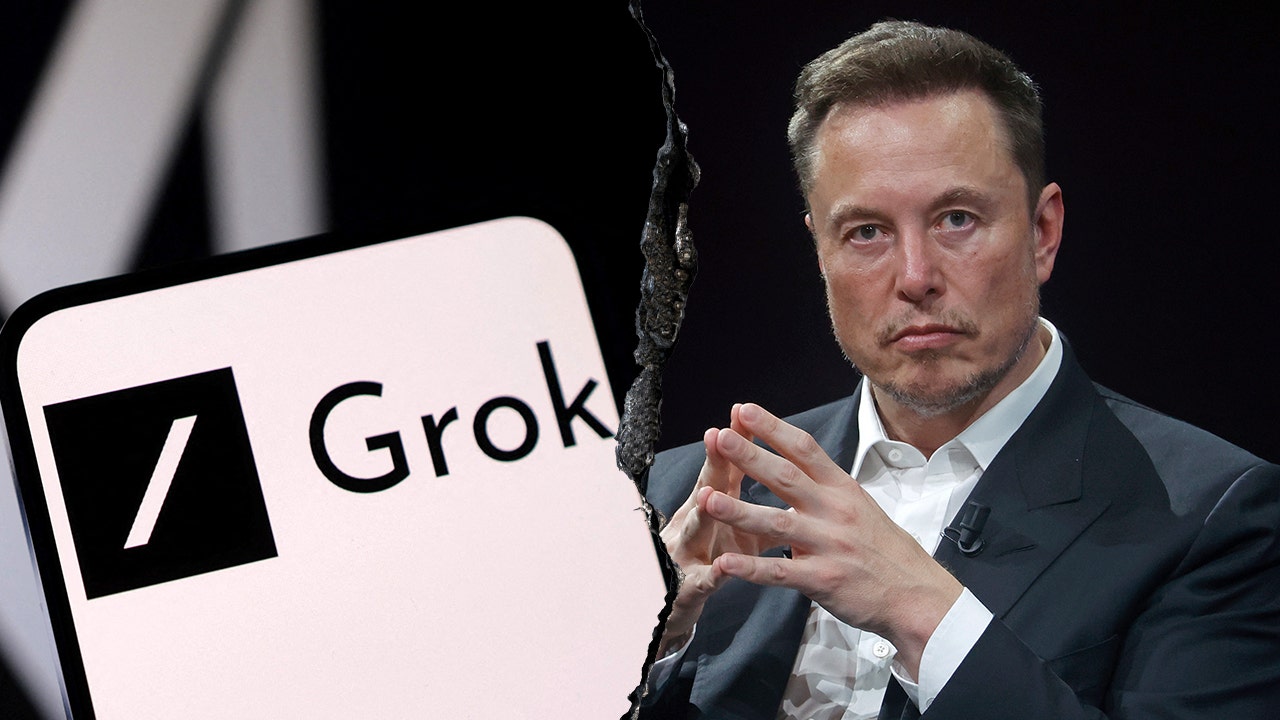
 Fox Business
Musk's new Grokipedia crashes on launch day, hosts nearly 900K articles
Overview
Elon Musk's xAI officially launched Grokipedia, an AI-generated encyclopedia, as a direct competitor to Wikipedia, aiming to provide truthful information and challenge existing online knowledge repositories.
Grokipedia, powered by the same xAI model as the Grok chatbot, launched with 885,279 articles, though its article creation methods remain unclear compared to Wikipedia's volunteer-driven model.
Unlike Wikipedia's rigorous primary source citation requirements, Grokipedia features thinly sourced entries, with some articles appearing adapted from Wikipedia, raising concerns about content originality and verification.
Grokipedia accuses Wikipedia of left-leaning biases in its coverage of political figures and topics, while some reports suggest Grokipedia itself validates Musk's favorite conspiracy theories.
Despite its ambitious launch and claims of superiority, Grokipedia experienced technical difficulties, crashing on its first day, and faces a significant content gap compared to Wikipedia's millions of articles.
Analysis
Center-leaning sources frame Grokipedia as a politically motivated project reflecting Elon Musk's conservative views and criticisms of Wikipedia. They emphasize its perceived deficiencies, such as content gaps and a lack of human oversight, while highlighting its selective presentation of information compared to Wikipedia. The coverage implicitly champions Wikipedia's "democratic vision" against Musk's AI-driven alternative.
FAQ
Grokipedia's content is created and edited by AI, specifically the Grok language model, which is developed by xAI, a company founded by Elon Musk.
Users cannot directly edit Grokipedia's articles but can suggest corrections via a pop-up form.
Concerns include the lack of original sources, potential for bias, and the promotion of certain political views or conspiracy theories.