Musk v. OpenAI Trial Unveils Governance, Safety and $134 Billion Claim
Second-week testimony accused Sam Altman of dishonesty and safety backsliding as Elon Musk seeks up to $134 billion.
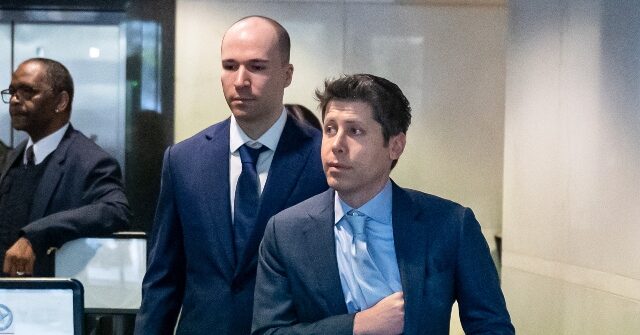
 Breitbart News
Former OpenAI Employees Tear into Sam Altman's Character During Testimony for Elon Musk
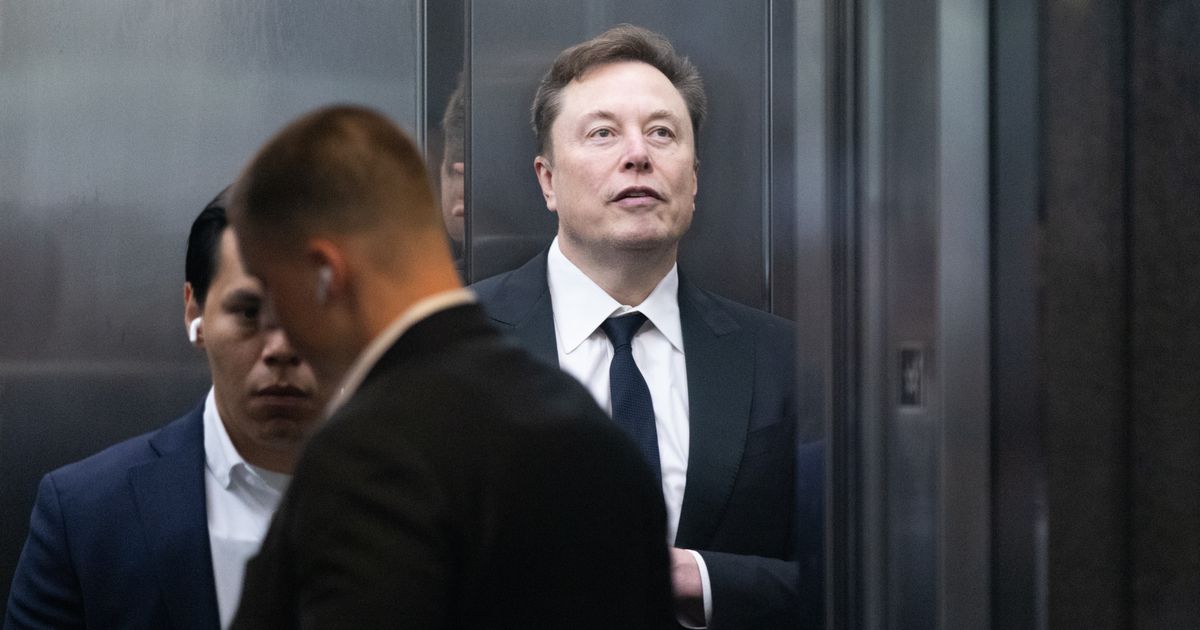
 New York Magazine
The ‘Chaos’ Inside OpenAI Is Spilling Out in Court
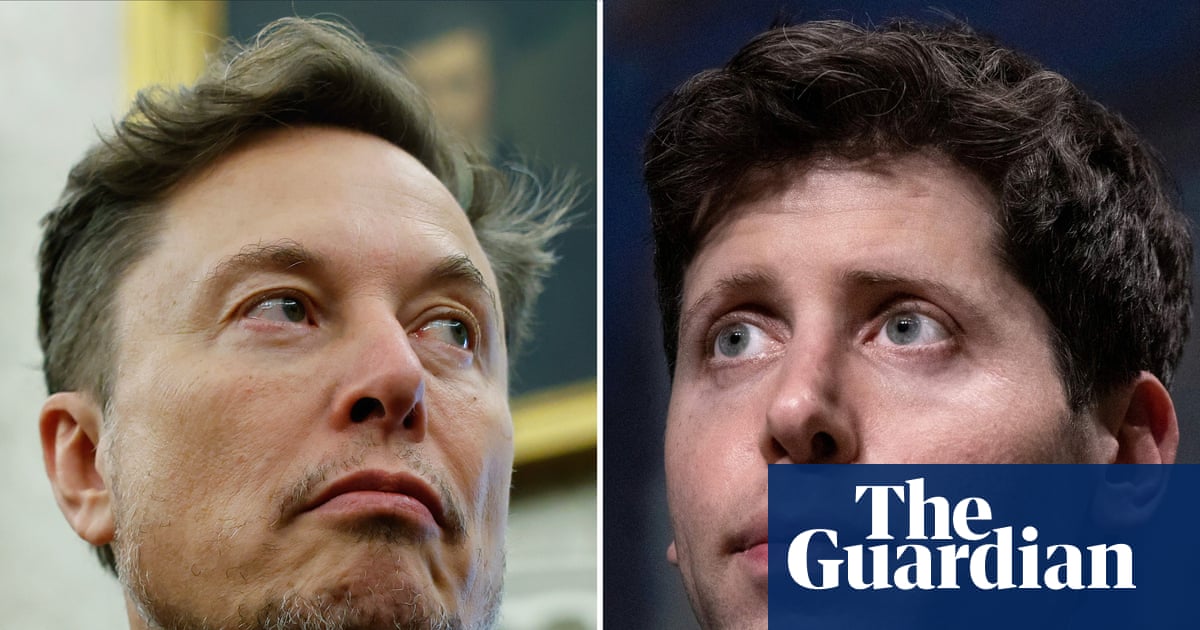
 The Guardian
What I saw at the Musk-OpenAI trial: petty billionaires, protests and a stern judge

 MIT Technology Review
Musk v. Altman week 2: OpenAI fires back, and Shivon Zilis reveals that Musk tried to poach Sam Altman

 Vox
VoxElon Musk could lose his case against OpenAI — and still get what he wants
Overview
During the trial's second week, former OpenAI employees testified that CEO Sam Altman was dishonest and shifted the company away from long-term AI safety, according to witness testimony.
Elon Musk is suing OpenAI, Sam Altman and Greg Brockman for up to $134 billion, alleging they converted the nonprofit and misused his $38 million in donations from December 2015 through May 2017.
Legal expert David Schizer testified that several actions by OpenAI leadership did not align with standard nonprofit governance and the company’s stated safety-first mission, according to court testimony.
Witnesses testified that OpenAI eliminated two dedicated long-term AI safety teams and that roughly half of one team chose to leave rather than accept other roles, according to testimony.
The trial is expected to include testimony from Microsoft CEO Satya Nadella and former OpenAI executive Ilya Sutskever, according to court schedules and reporting.
Analysis
Center-leaning sources frame the trial to favor OpenAI’s narrative, using evocative adjectives (e.g., "serene," "theatrical") and vivid courtroom scenes to humanize Brockman while emphasizing Musk’s alleged poaching and aggressive texts. They foreground documentary evidence and prosecutors’ characterizations, which—combined with selective scene-setting—nudges readers to view Musk’s motives skeptically.