Madagascar President Dissolves Parliament Amidst Escalating Coup Attempt and Political Crisis
Madagascar's President Andry Rajoelina dissolved parliament and fled into hiding amidst an escalating political crisis and military-backed anti-government protests.
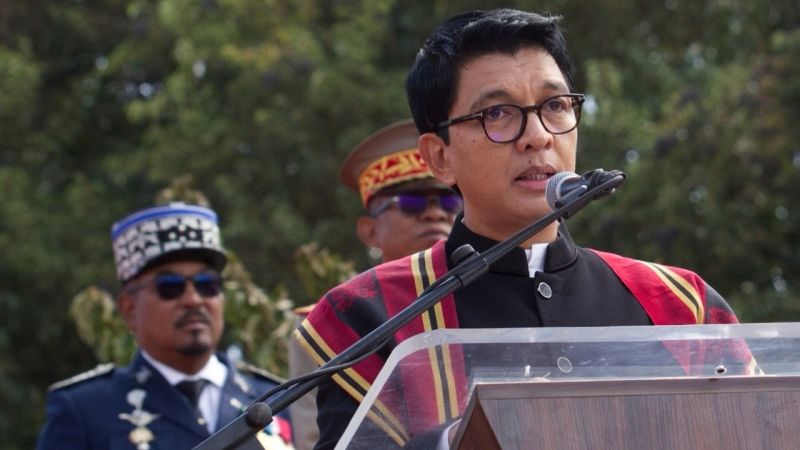
 CNN
CNNMadagascar’s crisis escalates as president dissolves National Assembly from unknown location

 Al Jazeera
Madagascar president dissolves parliament after fleeing army-backed protest
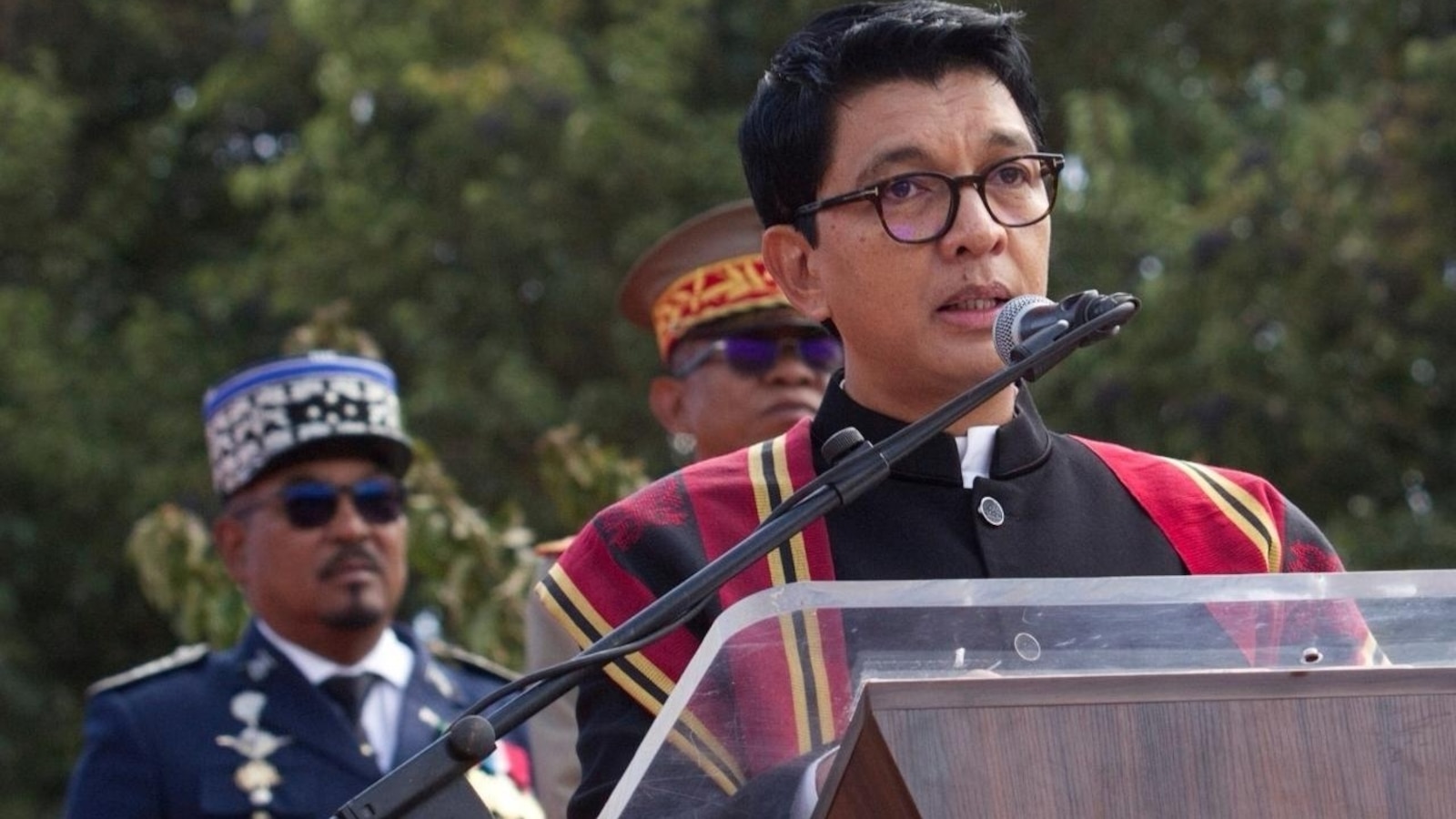
 ABC News
Madagascar pres dissolves lower house of parliament in midst of apparent coup attempt
 Associated Press
Madagascar's president, hiding in an unknown location, dissolves parliament to deepen crisis
Overview
Weeks of youth-led protests in Madagascar, initially sparked by water and electricity shortages, escalated into broader grievances over corruption, inflation, and high unemployment, demanding President Rajoelina's resignation.
An elite military unit, CAPSAT, joined the anti-government demonstrators, calling for President Rajoelina to step down and threatening state media, signaling an apparent coup attempt against his administration.
Amidst the severe political crisis and threats to his life, President Andry Rajoelina dissolved the lower house of parliament, a move made as he faced immense pressure to resign.
President Rajoelina subsequently fled the country on a French military aircraft, going into hiding in an undisclosed safe location, with his current whereabouts remaining unknown amidst the ongoing unrest.
Violent clashes between protesters and security forces have resulted in at least 22 fatalities, marking Madagascar's most severe political crisis since 2009, with soldiers reportedly turning against the government.
Analysis
Center-leaning sources cover the story neutrally, focusing on reporting the unfolding events and providing context without adopting a biased stance. They attribute claims clearly, present actions and reactions from all key parties, and use descriptive language to characterize the complex political situation. This approach allows readers to form their own conclusions based on the presented facts.
FAQ
The initial protests in Madagascar in 2025 were triggered by frequent water and power outages, particularly in the capital, Antananarivo.
An elite military unit called CAPSAT joined the anti-government protests and mutinied against the government, refusing orders to fire on civilians, which escalated into a coup attempt.
President Rajoelina dissolved the lower house of parliament and the government of Prime Minister Christian Ntsay, appointed a new military general as Prime Minister, and eventually fled the country amid the crisis.
Violent clashes between protesters and security forces resulted in at least 22 fatalities during the unrest, marking the most severe political crisis since 2009.
The protests expanded from service outages to encompass demands against corruption, inflation, high unemployment, and calls for President Rajoelina's resignation.