Tanzanian President Sworn In Amidst Disputed Election and Deadly Protests
Tanzanian President Samia Suluhu Hassan was sworn in for a second term following a disputed election, leading to deadly protests and widespread closures in cities like Dar es Salaam.



Overview
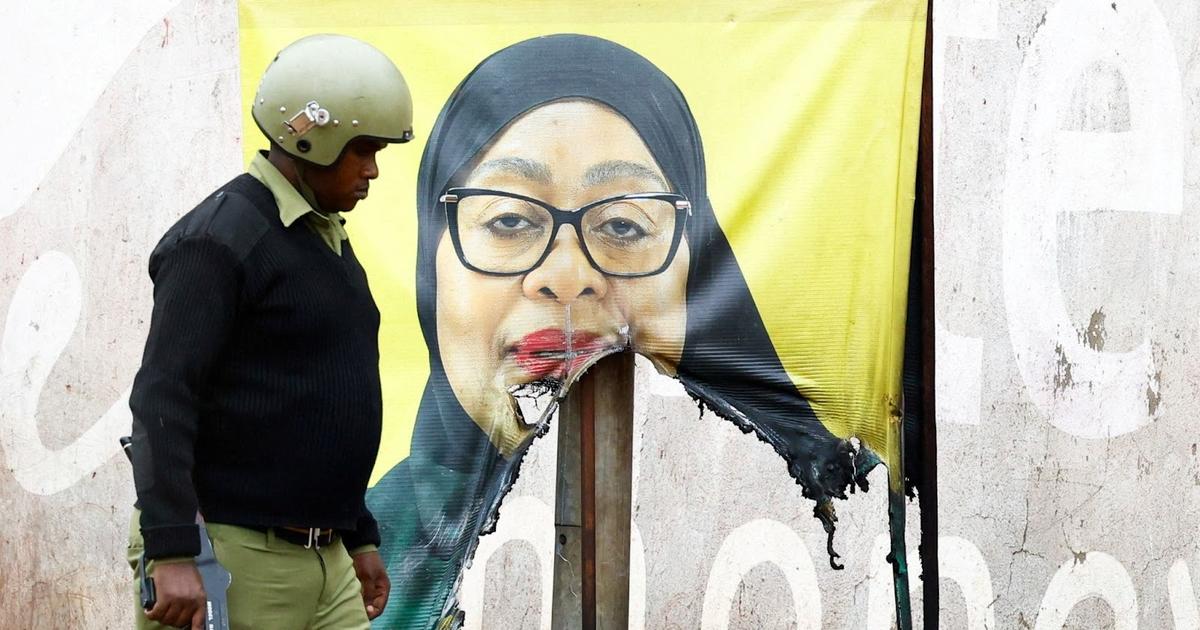
President Samia Suluhu Hassan was sworn in for her second term in Tanzania, despite the recent election being widely disputed by the opposition and international observers.
Tanzania's commercial capital, Dar es Salaam, experienced significant disruption with empty streets and closed businesses due to high tensions and deadly protests.
The U.N. human rights office confirmed credible reports of at least 10 deaths across several Tanzanian cities, directly linked to the unrest following the contested election.
Chadema, Tanzania's primary opposition party, vehemently rejected the election outcome, labeling it a "sham" and asserting it lacked any legitimate basis.
Opposition figures and protesters alleged that hundreds of individuals were killed by police forces during violent clashes that erupted after the announcement of the disputed Tanzanian election results.
Analysis
Center-leaning sources frame the Tanzanian election as deeply illegitimate and a sign of democratic decline. They emphasize the "disputed" nature, the suppression of opposition, and the violent aftermath, collectively portraying the outcome as a severe blow to democratic principles rather than a legitimate electoral process.
FAQ
Tanzania's main opposition party, CHADEMA, has rejected the election results, calling them a 'sham' and asserting that the process lacked legitimacy and was marred by fraud.
The UN human rights office confirmed at least 10 deaths, while opposition parties and diplomatic sources allege the death toll could be much higher, ranging from several hundred to as many as 800.
Protesters have taken to the streets in major cities, defied curfews, torched police stations, destroyed ballot boxes, set fire to vehicles and businesses linked to the ruling party, and attacked homes of prominent artists who supported the regime.
The UN human rights office has acknowledged credible reports of deaths and injuries, while diplomatic sources have expressed concern over the scale of violence and the government's crackdown on protesters.
The Tanzanian government has imposed curfews, shut down the internet, deployed military forces, and labeled protesters as criminals, while security forces have used live ammunition and tear gas to suppress demonstrations.
Yes, the protests have spilled over into Kenya, particularly in the border town of Namanga, where tensions have escalated and there have been reports of violence affecting Kenyan residents.