Japan Deploys Army to Combat Escalating Deadly Bear Attacks
Japan's army deploys to Akita, setting box traps, transporting hunters, and disposing of bear carcasses. This combats a surge in deadly encounters, causing 100+ injuries and 12 fatalities.

 Daily Caller
Country's Army Deploys Troops To Hunt Predator After Surge In Bloody Encounters

 New York Daily News
Japan deploys military to combat bear attacks that have killed at least 12
 New York Sun
Japan Calls in the Army To Cope With a String of Deadly Attacks by Bears
 ABC News
Japan sends troops to northern region to stop bear attacks after record casualties
Overview
Japan's military has deployed troops to the northern prefecture of Akita and other regions to combat an unprecedented surge in deadly bear attacks, causing widespread fear among residents.
Since April, these escalating bear encounters have resulted in over 100 injuries and at least 12 fatalities across Japan, prompting urgent intervention in mountainous areas.
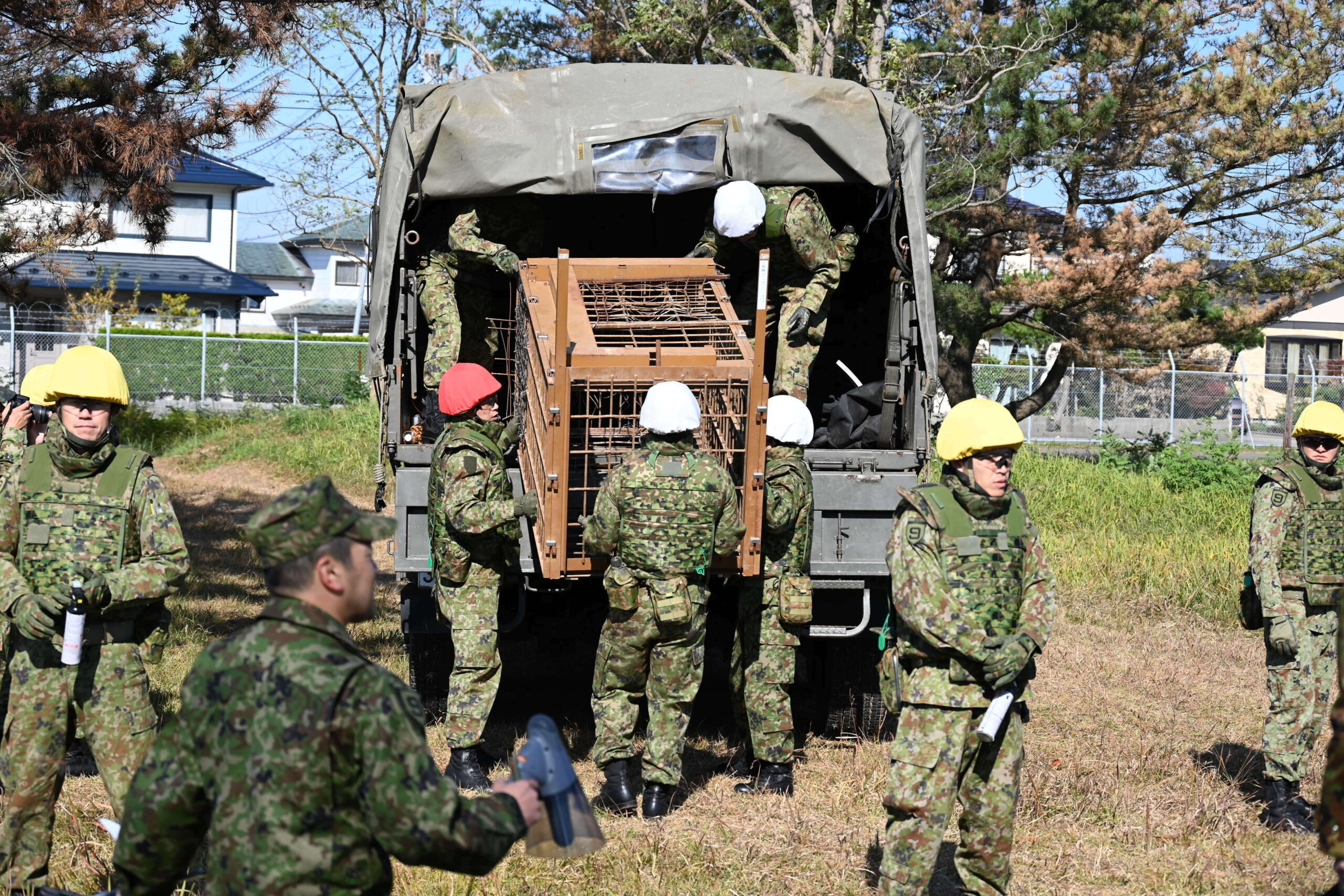
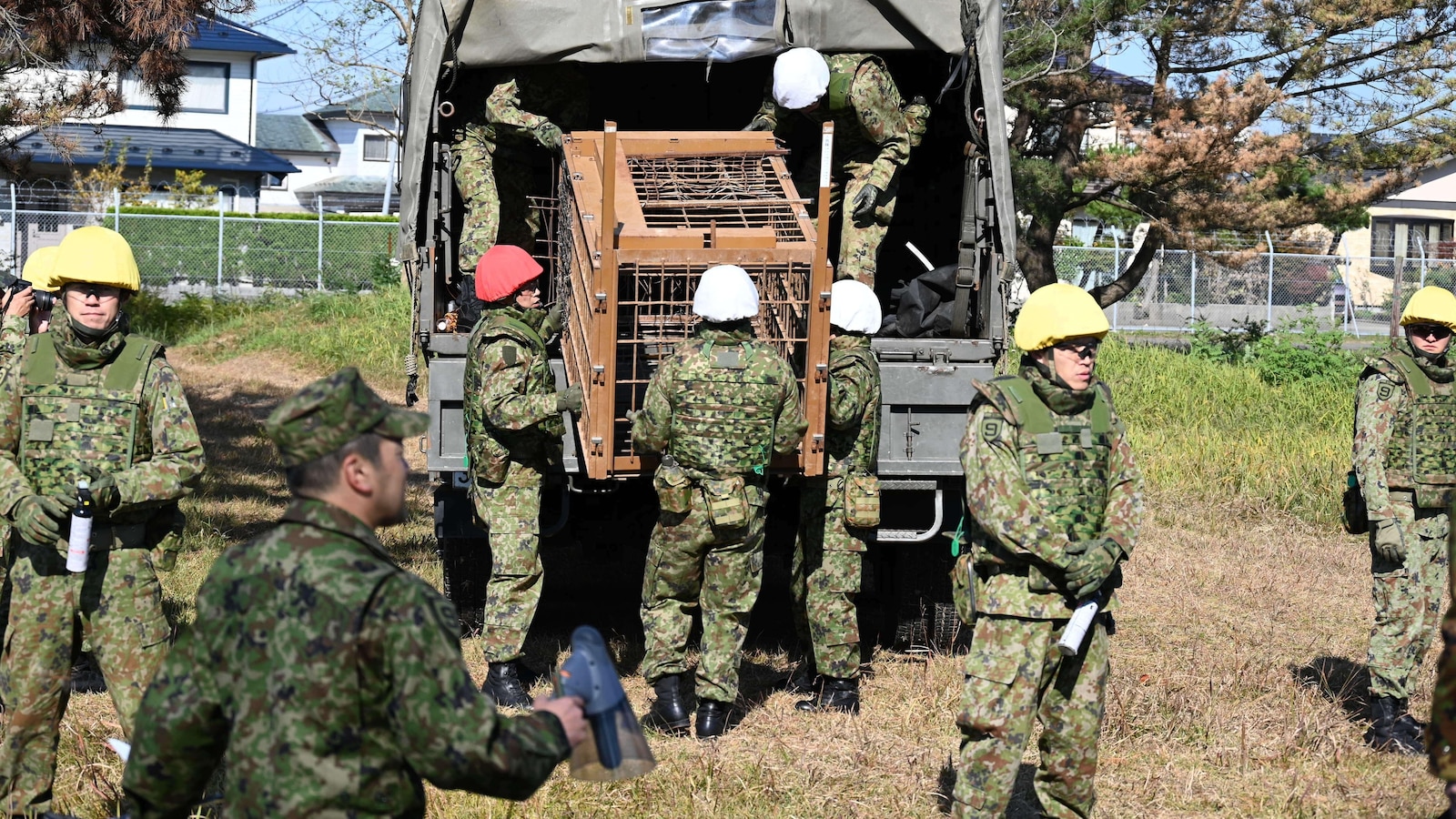
Soldiers are actively involved in setting steel-barred box traps, transporting hunters, and safely disposing of bear carcasses to mitigate daily incidents and protect communities.
The increase in bear encounters is attributed to Japan's aging and declining rural population, alongside bears actively searching for food before their hibernation period.
This military deployment follows an agreement between Japan's Defense Ministry and Akita prefecture, aiming to address the escalating threat and protect communities from further harm.
Analysis
Center-leaning sources frame this story as an urgent crisis requiring military intervention, emphasizing the unprecedented scale of bear attacks and their severe impact on residents. They use strong language and prioritize official statements to highlight the government's decisive response to protect lives and livelihoods.
FAQ
Bear attacks are increasing in Japan due to a combination of factors, including climate change reducing the availability of acorns (a key food source for bears), warmer weather disrupting hibernation patterns, and an aging, declining rural population that leaves more food sources accessible to bears.
The Japanese government has deployed military troops to affected regions like Akita to set box traps, transport hunters, and dispose of bear carcasses, aiming to reduce bear encounters and protect local communities.
Since April, there have been over 100 injuries and at least 12 fatalities in Japan due to bear attacks, marking a significant increase compared to previous years.
Bear attacks are not limited to rural areas; bears have also ventured into populated areas, including incidents where a bear entered a supermarket north of Tokyo, injuring two people.
Climate change is reducing the number of acorns, a staple food for bears, forcing them to roam closer to towns in search of food. Warmer weather is also disrupting their normal hibernation patterns, increasing their activity and encounters with humans.
