Anhydrous Ammonia Leak in Weatherford, Oklahoma, Prompts Mass Evacuations and Critical Hospitalizations
Hundreds were evacuated and dozens hospitalized, with four critical, after an anhydrous ammonia leak from a tanker truck in Weatherford, Oklahoma, triggered a major emergency response.

 New York Daily News
Dozens hospitalized, hundreds evacuated due to ammonia leak in Oklahoma
 Associated Press
What to know about a chemical leak in Oklahoma

 Daily Caller
Toxic Threat Forces Mass Evacuation In US City, Sends Dozens To Hospital
 FOX News
Oklahoma ammonia gas leak prompts hundreds of evacuations as at least 36 people hospitalized
Overview
An anhydrous ammonia leak from a tanker truck in Weatherford, Oklahoma, caused toxic fumes, leading to a significant chemical emergency and public safety concerns.
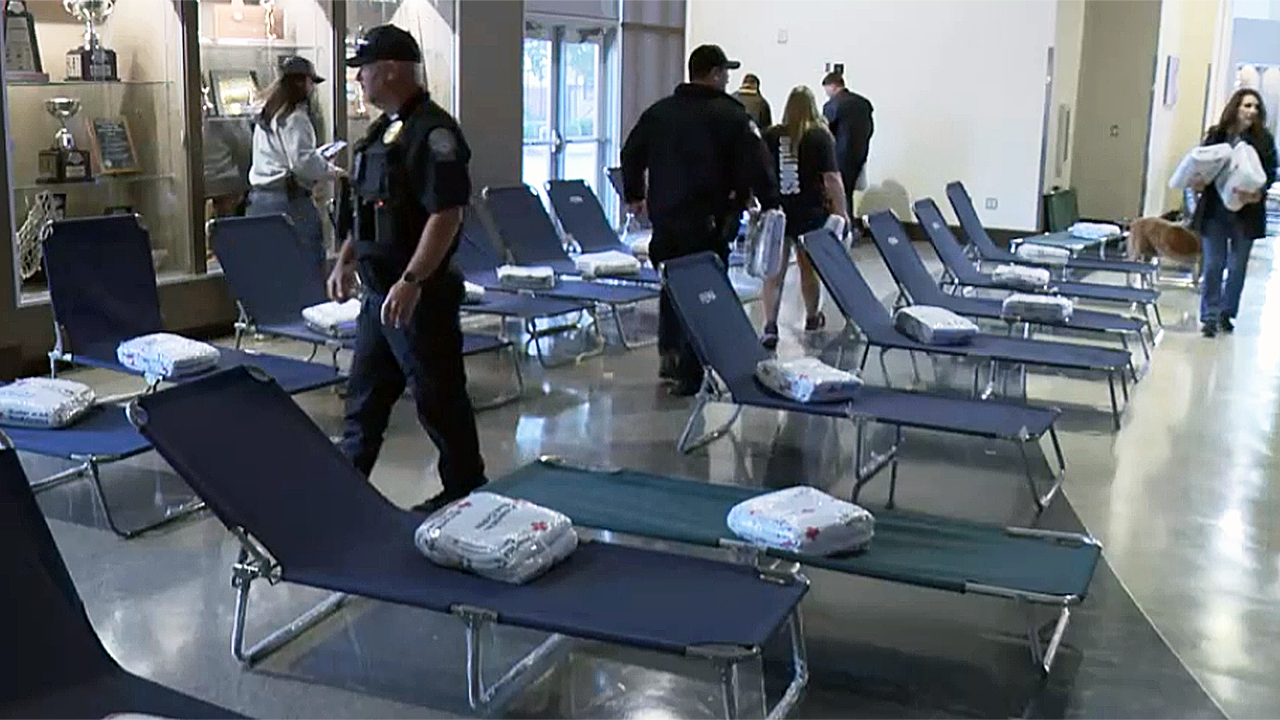
Hundreds of residents, including those from nursing homes, were evacuated, and schools were closed to protect against the hazardous gas exposure.
Dozens of individuals were hospitalized due to severe respiratory problems from the ammonia, with four people reported to be in critical condition.
Hazmat teams and the National Guard responded to the incident, managing the leak and ensuring the safety of the affected area.
The tanker truck stopped spewing gas, and air quality improved, allowing the shelter-in-place order to be lifted and evacuees to return home.
Analysis
Center-leaning sources provide a neutral, informative overview of the chemical leak. They focus on presenting factual details about the incident, the nature of anhydrous ammonia, and its history of accidents. The coverage avoids loaded language or selective emphasis, aiming to educate readers on the situation and the chemical involved without pushing a particular narrative.
FAQ
Anhydrous ammonia is a colorless gas used primarily as a fertilizer. It is highly toxic and can cause severe respiratory problems, burns, and even death if inhaled or exposed to skin or eyes.
Hundreds of people were evacuated, dozens were hospitalized, and four were reported to be in critical condition due to exposure to the anhydrous ammonia leak.
Hazmat teams and the National Guard responded to contain the leak, evacuate residents, and monitor air quality. Schools were closed, and a shelter-in-place order was issued until the area was deemed safe.
Yes, the tanker truck stopped releasing gas, air quality improved, and the shelter-in-place order was lifted, allowing evacuees to return home.

