Colombia's Petro Calls for Trump War Crimes Probe, US Suspends Intelligence Sharing
Colombian President Petro has called for an investigation into former President Trump for alleged war crimes related to attacks, prompting the United States to suspend intelligence sharing with Colombia.


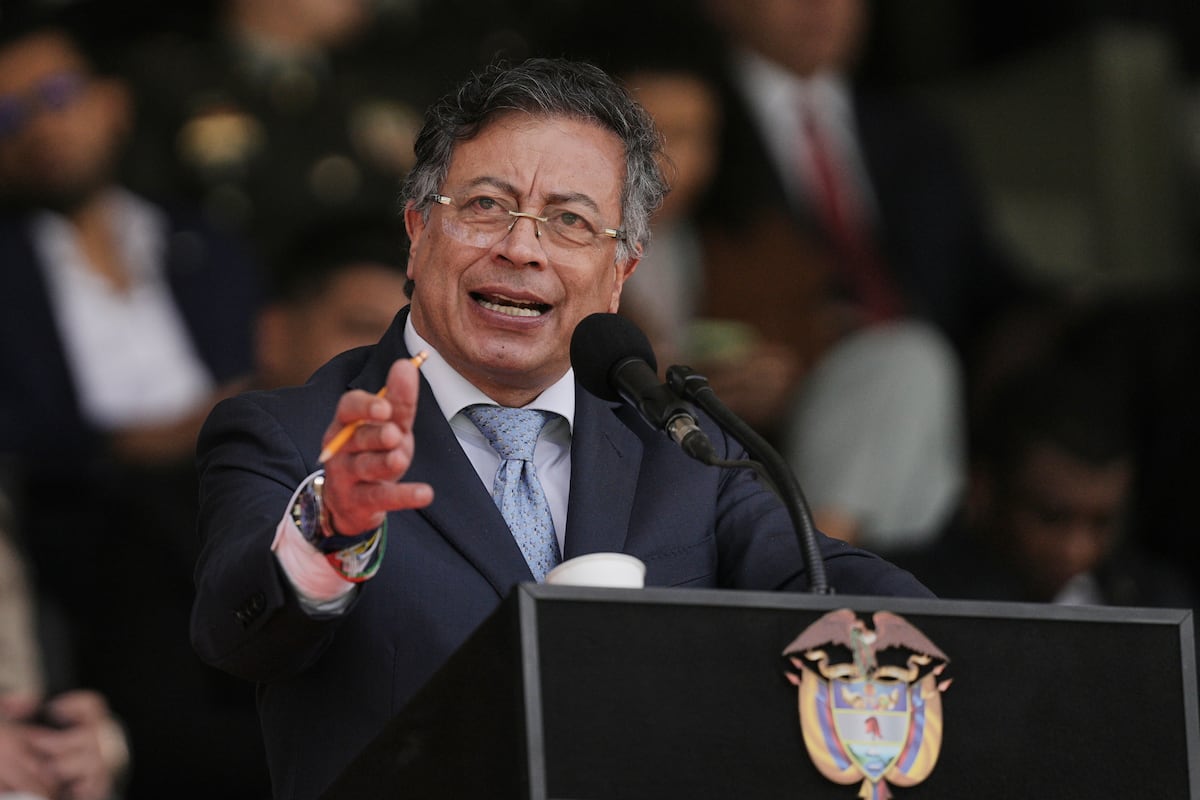


Overview
Colombian President Petro publicly called for an investigation into former US President Trump, accusing him of war crimes related to unspecified attacks.
This serious accusation by President Petro against a former US leader immediately prompted a significant diplomatic reaction from the United States.
In direct response to Petro's call for a war crimes probe, the United States government decided to suspend its intelligence sharing with Colombia.
The suspension of intelligence cooperation signifies a direct consequence of the allegations and a notable strain in the bilateral relationship between the two countries.
This incident underscores escalating political tensions between Colombia and the US, driven by the controversial accusations and the subsequent US retaliatory measure.
Analysis
Center-leaning sources are neutral, covering the escalating tensions between Colombia and the U.S. over drug trafficking strikes. They present both President Petro's human rights concerns and the Trump administration's accusations of him being soft on traffickers. The reporting balances perspectives, detailing Colombia's intelligence suspension, U.S. naval buildup, and Venezuela's reaction without editorial bias.
FAQ
President Petro accused former President Trump of war crimes related to U.S. military strikes on suspected drug-trafficking vessels in the Caribbean, which Petro characterized as extrajudicial executions impacting human rights.
The U.S. suspended intelligence sharing with Colombia in response to President Petro’s call for an investigation into former President Trump and due to Colombia halting intelligence cooperation over the U.S. strikes on suspected drug traffickers.
No, Colombia later backtracked on the suspension; Interior Minister Armando Benedetti clarified that intelligence sharing with US agencies would continue despite earlier announcements of suspension.
Since August, the U.S. military has conducted strikes on suspected drug-trafficking boats in international waters of the Caribbean and eastern Pacific, killing at least 75 people, as part of a strategy to combat drug trafficking and exert regional pressure, particularly around Venezuela.
The suspension faced immediate criticism from opposition politicians and security officials within Colombia, warning it could hinder drug interdiction and counterinsurgency efforts; this criticism contributed to Colombia reversing the suspension.
