Coroner Recommends Mandatory Mental Health Checks for Queensland Gun License Applicants After Extremist Killings
A Queensland coroner recommended mandatory mental health assessments for gun license applicants after three Christian extremists with a shared delusional disorder killed two police officers and a neighbor.
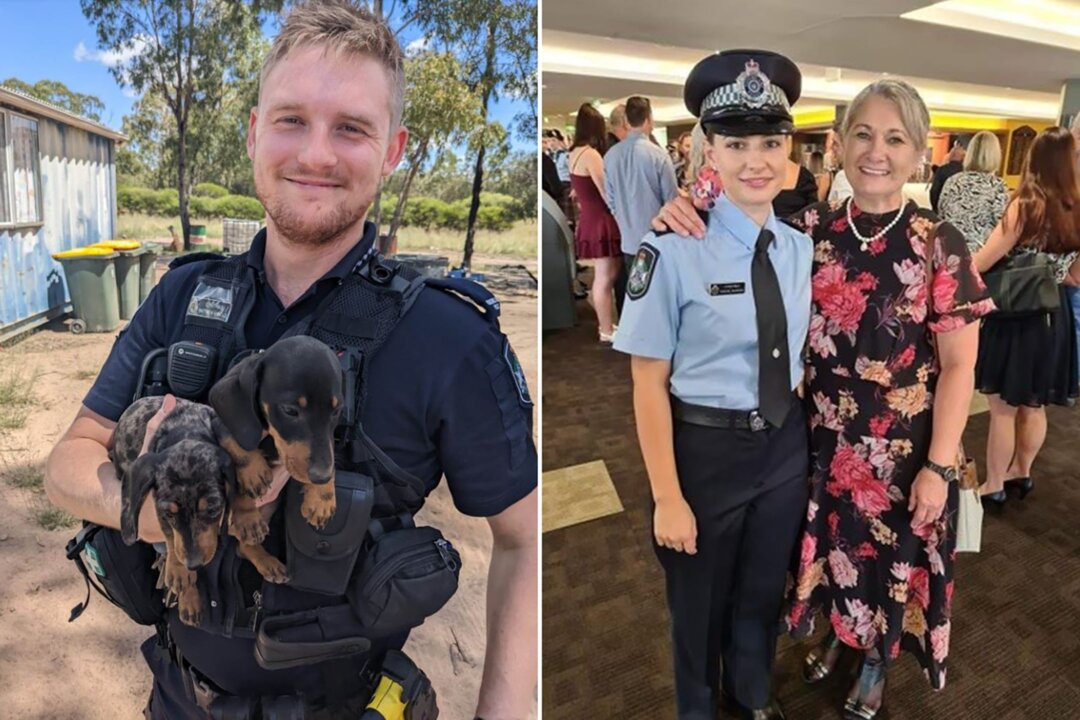
 Epoch Times
Coroner Finds Police Killers ‘Morally Insane’, Not Terrorists or Christian Extremists

 ABC News
Coroner says Australian extremists who killed police officers had shared delusional disorder
 Associated Press
Australian extremists who killed police officers had a shared delusional disorder, coroner says

 The Guardian
Wieambilla police shooting not ‘terrorism’ but driven by Train family’s shared ‘delusions’, Queensland coroner finds
Overview
A Queensland coroner recommended mandatory mental health assessments for gun license applicants, prompted by a deadly incident involving three Christian extremists.
The coroner determined that the Train family, identified as Christian extremists, shared an undiagnosed and untreated psychotic illness, manifesting as paranoid delusions.
This shared delusional disorder led the family to kill two police officers and a neighbor during a six-hour gunbattle in Australia.
Psychiatric evidence confirmed the extremists' actions were driven by their severe, shared delusional disorder, dismissing any terrorism motive.
The coroner concluded that the Train family's untreated mental illness and paranoid delusions created an extreme and dangerous risk to police officers.
Analysis
Center-leaning sources cover this story neutrally by primarily reporting the State Coroner's official findings. They focus on disseminating the inquiry's conclusions regarding the perpetrators' shared delusional disorder and motivations, including the explicit rejection of a terrorism classification. The reporting prioritizes factual information from the inquest without adding editorial bias.
FAQ
The Train family was found to have a shared delusional disorder, specifically paranoid delusions, which led them to believe they were under threat and justified in using violence. This untreated psychotic illness directly influenced their actions, resulting in the fatal shooting of two police officers and a neighbor.
The coroner recommended mandatory mental health checks after determining that the Train family's untreated and undiagnosed psychotic illness created an extreme risk to public safety, especially to law enforcement. The recommendation aims to prevent similar incidents by identifying and addressing mental health risks before issuing firearms licenses.
A mandatory mental health assessment requires applicants to provide a detailed medical report from a doctor, psychologist, or psychiatrist. The report must assess the applicant's current mental and physical fitness, level of insight into any conditions, treatment history, and whether they are a fit and proper person to possess firearms without posing a risk to themselves or the public.
Yes, Queensland law requires applicants to disclose any mental or physical health conditions when applying for a weapons license. Applicants must provide a medical report if they have a history of psychiatric, psychological, or emotional problems, and the assessment must confirm their fitness to possess firearms.
Mandatory mental health checks may lead to more thorough screening of applicants, potentially preventing individuals with untreated or severe mental illnesses from obtaining firearms. However, some GPs and applicants may have concerns about privacy, stigma, or reluctance to disclose mental health issues due to fear of losing their license.