EU Plans $105 Billion Ukraine Loan from Frozen Russian Assets Amidst Belgian Rejection
The EU plans to fund Ukraine's 2026-2027 needs with a $105 billion loan from frozen Russian assets, but Belgium rejects the proposal citing significant financial and legal risks.
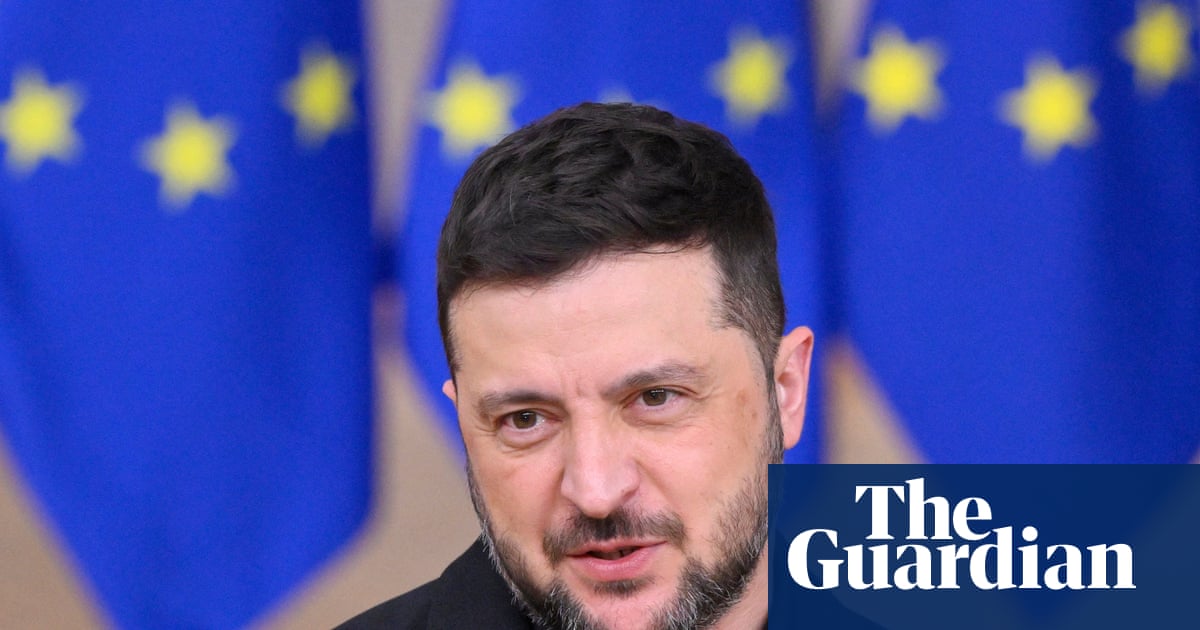
 The Guardian
EU has a plan to use frozen Russian assets to fund Ukraine – how will it work?
 The Guardian
European Commission plans ‘reparations loan’ to Ukraine using frozen Russian assets

 New York Daily News
The EU lays out a plan to fund Ukraine using frozen Russian assets but Belgium says it’s too risky
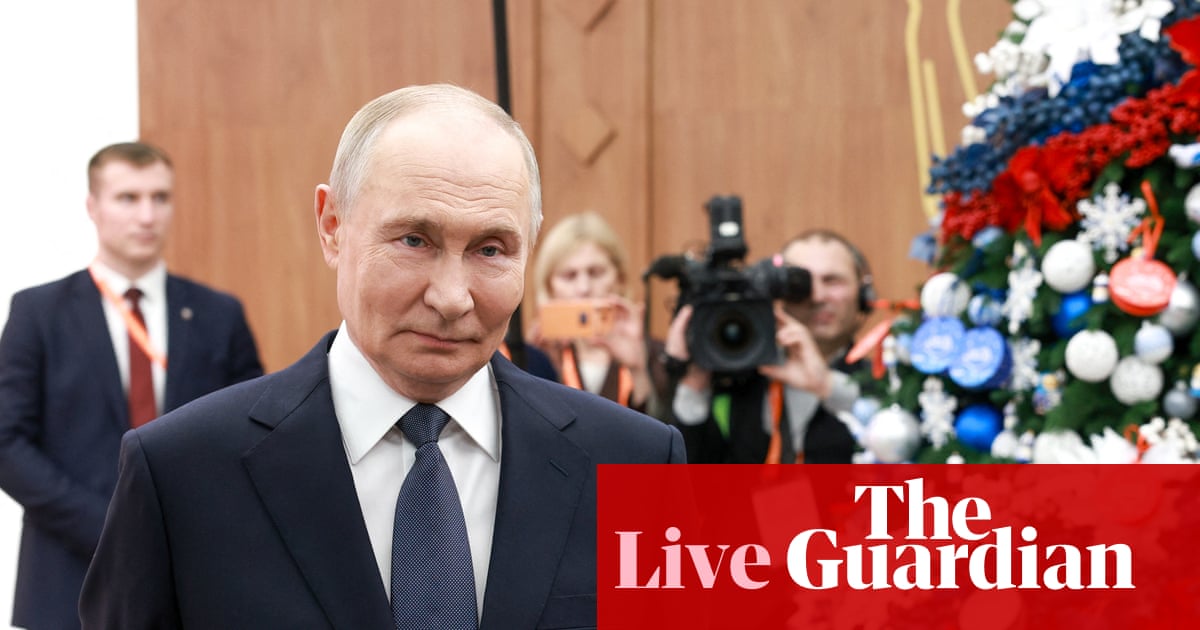 The Guardian
EU pushes ahead with plan to use frozen Russian assets for Ukraine as Moscow denies rejecting US peace plan - Europe live
Overview
The European Union and European Commission plan to provide Ukraine with a $105 billion loan for its financial and military needs in 2026 and 2027.
This significant funding is intended to be sourced from frozen Russian assets, aiming to cover a substantial portion of Ukraine's estimated $160 billion requirements.
Belgium has formally rejected the EU's proposal to utilize frozen Russian assets, citing major financial and legal risks associated with the unprecedented plan.
Belgium, currently holding approximately 194 billion euros in frozen Russian assets, feels its concerns regarding the utilization of these funds are not being adequately addressed by EU partners.
The decision by Belgium underscores ongoing disagreements within the EU on the best approach to leverage frozen Russian funds for Ukraine's aid, despite the EU's new funding plan.
Analysis
Center-leaning sources cover the EU's plan to fund Ukraine using frozen Russian assets neutrally. They present the proposal and Belgium's significant objections, including financial and legal risks, without editorial bias. The coverage balances perspectives from the EU Commission, Belgium, other member states, and the European Central Bank, ensuring a comprehensive and even-handed report on the complex issue.
FAQ
Belgium has rejected the proposal due to significant financial and legal risks, particularly because it hosts Euroclear, which holds the majority of the frozen Russian assets. Belgian authorities are concerned that using these assets could expose the country and its financial institutions to legal challenges and economic repercussions.
The EU is proposing to provide Ukraine with a loan of up to €210 billion, with an initial €90 billion to be used for Ukraine's financial and military needs in 2026 and 2027. The funds are intended to support Ukraine's reconstruction and defense efforts.
The EU is proposing to invoke Article 122 of the EU treaties, which allows the bloc to act in emergencies and prevents individual member states from vetoing the measure, thereby ensuring the plan can proceed even if countries like Hungary or Slovakia oppose it.
If Hungary or Slovakia veto the continuation of sanctions, the frozen Russian assets could be released, jeopardizing the EU's plan to use them for Ukraine's aid. The proposed use of Article 122 aims to prevent this scenario by removing the veto power in such cases.
The final decision on using frozen Russian assets for Ukraine's aid is expected to be made at a European Council meeting in mid-December.
