India and Russia Strengthen Bilateral Ties with New Economic Program and Fuel Supply Commitments
Indian Prime Minister Modi and Russian President Putin solidified their bilateral partnership in Delhi, agreeing on a 2030 economic program and Russia committing to uninterrupted fuel supplies.

 PBS NewsHour
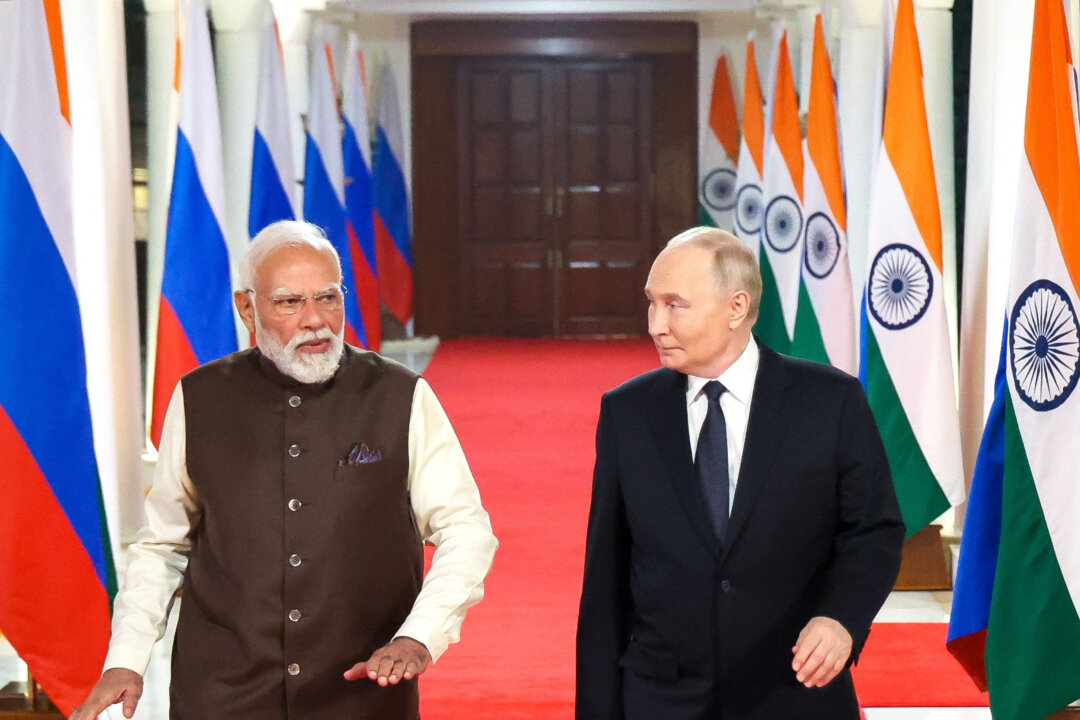
Putin and Modi announce expansion of Russia-India trade ties
 Epoch Times
Putin and Modi Talk Trade, Peace in New Delhi
 The Guardian
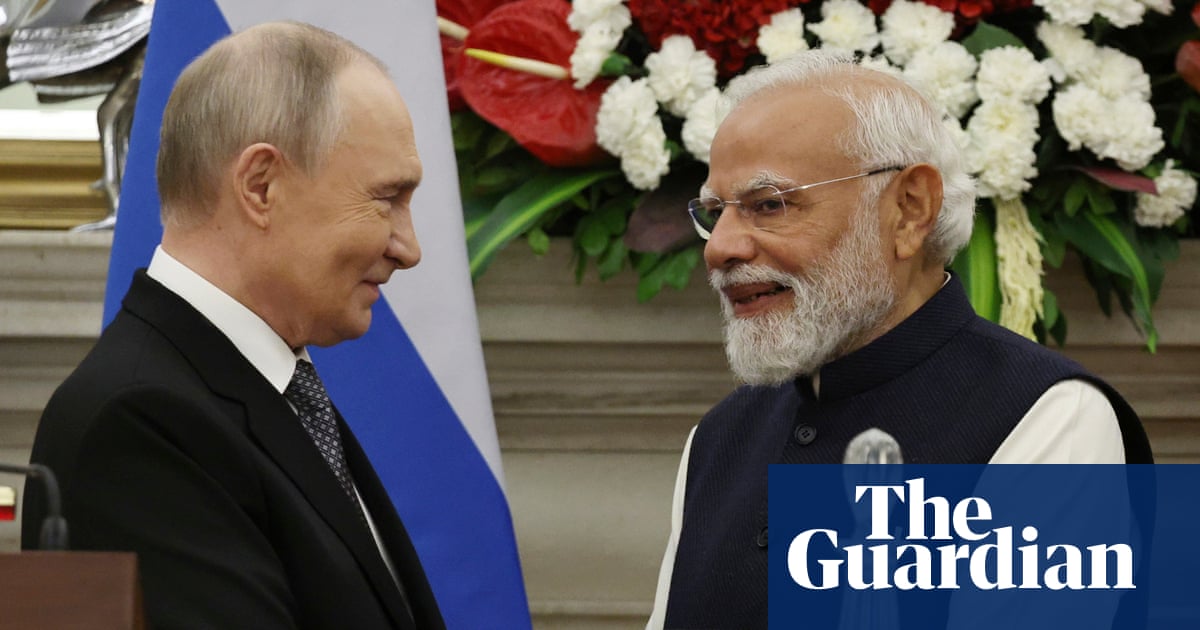
Putin vows oil shipments to India will be ‘uninterrupted’ in defiance of US
 BBC News
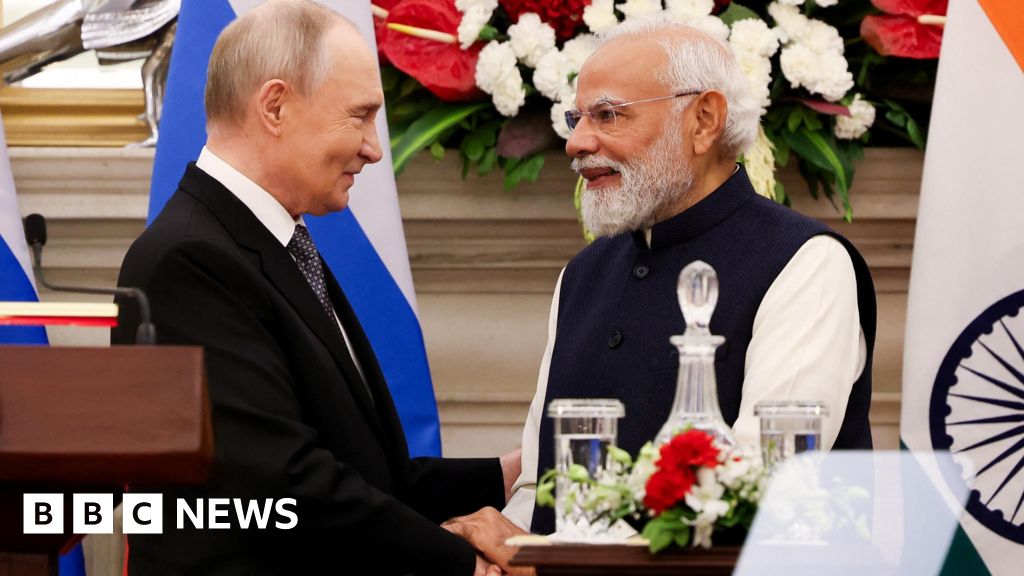
Putin in India: Russia ready to provide 'uninterrupted' fuel supplies
Overview
Indian Prime Minister Narendra Modi welcomed Russian President Vladimir Putin in New Delhi for an annual summit, aiming to strengthen long-standing defense and trade relations between the two nations.
The leaders demonstrated diplomatic resilience and commitment to their bilateral partnership during talks in Delhi, emphasizing continuity amidst global tensions and US pressure following Russia's war on Ukraine.
India and Russia agreed on a comprehensive economic program extending until 2030, which will cover key sectors such as jobs, shipping, and the health industry, fostering deeper collaboration.
As a significant part of the new economic deal, President Putin stated Russia is prepared to provide uninterrupted fuel shipments to India, ensuring energy security for the nation.
The summit aimed to boost bilateral trade to an ambitious $100 billion by 2030, reinforcing strategic ties despite US sanctions, while India also pursues a separate EU trade agreement.
Analysis
Center-leaning sources cover this story neutrally, presenting a balanced account of the Putin-Modi meeting. They report statements from both leaders, detail agreements, and provide relevant geopolitical context regarding US pressure and tariffs. The coverage avoids loaded language and includes diverse perspectives, allowing readers to form their own conclusions on the complex international relations.
FAQ
The Economic Cooperation Programme includes key sectors such as jobs, shipping, health industry, peaceful nuclear energy, mineral development, natural resources, mechanical engineering, digital technology, and pharmaceutical production.
Russia committed to providing uninterrupted fuel shipments to India to ensure the country's energy security.
India and Russia aim to boost their bilateral trade to an ambitious $100 billion by 2030.
India and Russia are pushing for an early conclusion of the India–Eurasian Economic Union FTA, with terms of reference finalized and ongoing efforts to remove trade barriers and promote connectivity.
They plan to prioritize connectivity via the International North–South Transport Corridor, explore Arctic maritime routes, and develop the Chennai-Vladivostok Eastern Maritime Corridor as well as the Northern Sea Route to foster regional cooperation and generate employment opportunities.