Rome Unveils New Colosseum Subway Station Featuring Ancient Artifacts
Rome has opened two new subway stations, including a long-awaited one next to the Colosseum, showcasing over 500,000 unearthed artifacts from its two-decade construction.



Overview
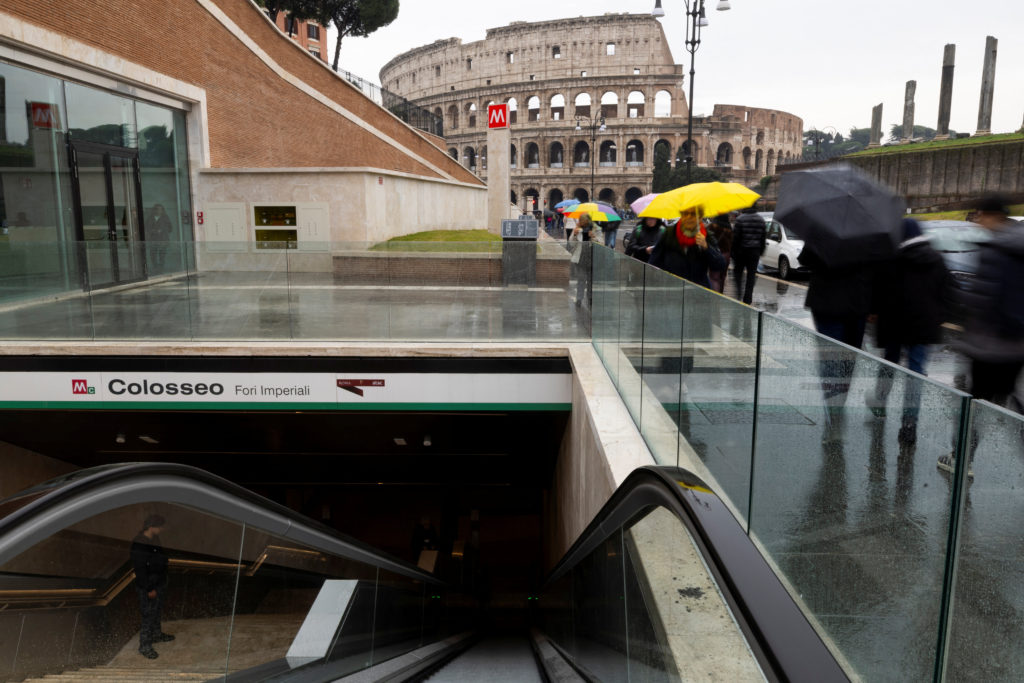
Rome has officially opened two new subway stations, with a significant highlight being the long-awaited Colosseum station on the Metro C line, enhancing city access.
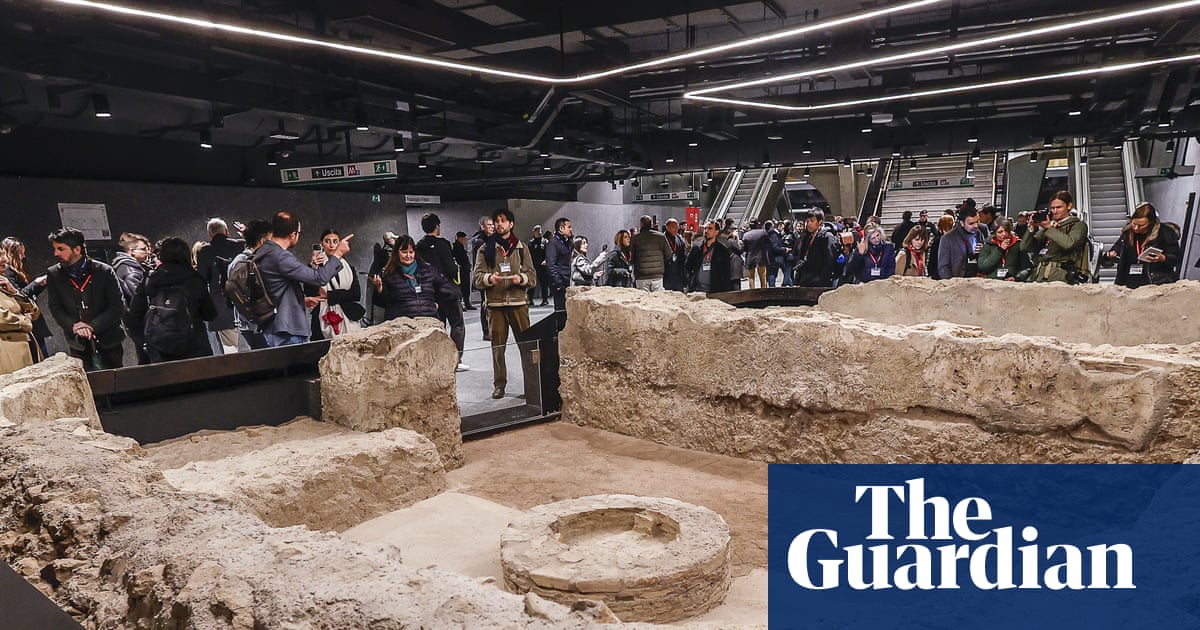
The newly opened Colosseum subway station features impressive displays of unearthed artifacts, providing a unique blend of modern infrastructure and ancient history for commuters.
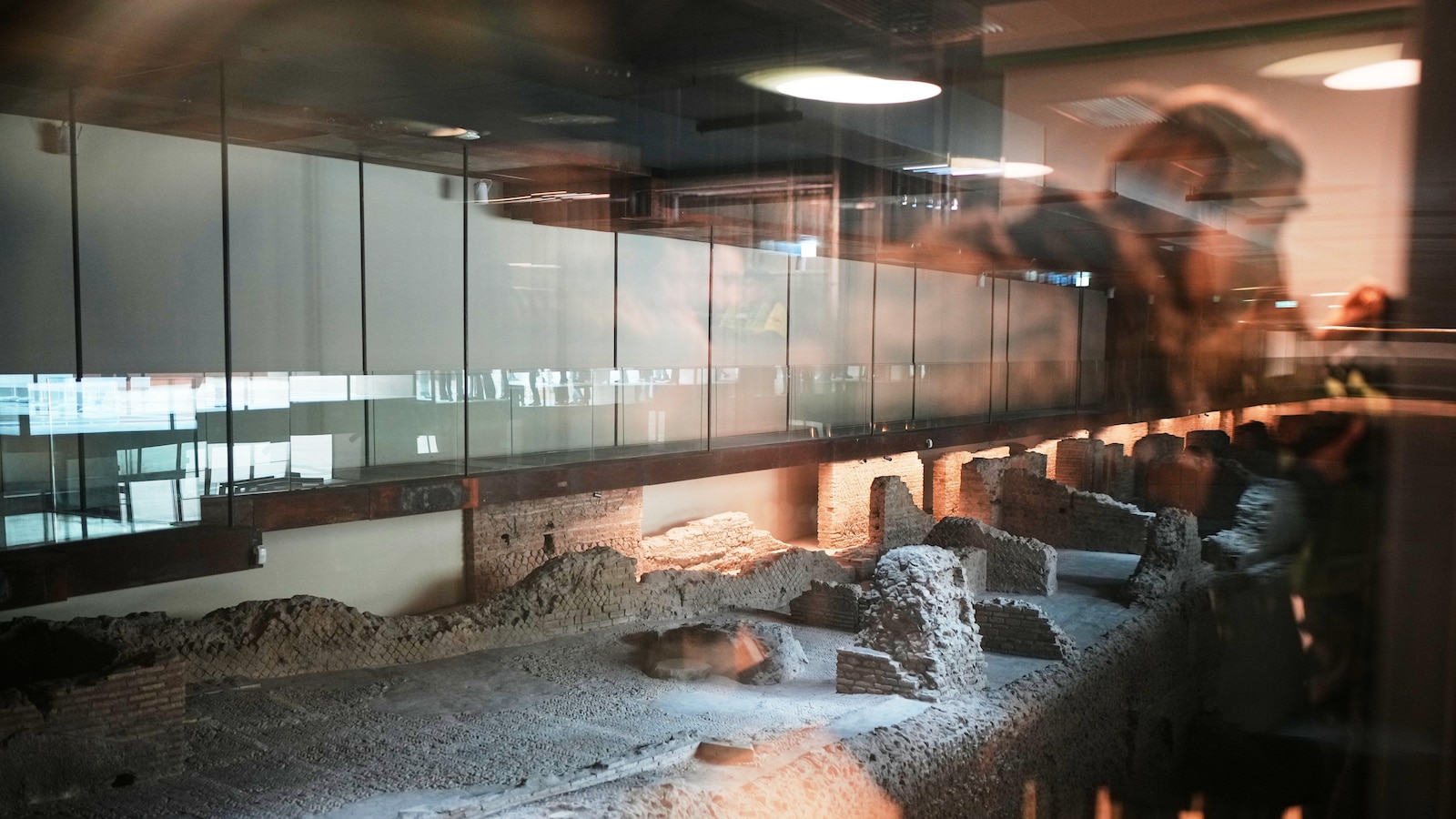
Among the significant archaeological discoveries showcased are ceramic vases, ancient stone wells, and ruins from a first-century dwelling, offering a glimpse into Rome's past.
The Metro C subway line project faced substantial delays over two decades due to complex bureaucratic hurdles, funding challenges, and extensive archaeological excavation requirements.
Construction of Rome's 31-station subway line, costing approximately 7 billion euros, is projected to be fully completed by 2035, further expanding the city's public transport network.
Analysis
Center-leaning sources cover the opening of Rome's new subway stations neutrally. They present the project's factual details, including its long development, significant cost, and the unique integration of ancient archaeological finds. The reporting maintains an objective tone, describing both the engineering challenges and the anticipated benefits for commuters and tourists without employing loaded language or selective emphasis.
FAQ
More than 500,000 artifacts were unearthed during the Metro C excavations, and the Colosseum station displays a wide range of finds including ceramic vases, ancient stone wells, building ruins such as a first‑century dwelling, marble fragments, frescoes, mosaics, and organic remains like peach pits, all incorporated into the station’s exhibition spaces.
The Metro C project was delayed for around two decades largely because deep excavations in archaeologically rich areas required extensive preventive archaeology and conservation work, combined with bureaucratic hurdles and funding challenges that slowed progress.
Yes; the Colosseum station and other central Metro C stops are designed as 'museum stations' where archaeological remains are permanently displayed within the station atria and along access routes, integrating mobility functions with in‑situ exhibits and display cases so passengers can view the finds as part of the transit experience.
Construction of the full Metro C line, encompassing 31 stations, has an estimated cost of about €7 billion and is projected to be completed by 2035.[2]
Excavations for central Metro C stations reached significant depths—reports note excavations down to tens of meters (examples up to about 43–85 m in some reports)—and the deep, stratified excavations enabled discovery of multiple historical layers and well‑preserved archaeological remains that were then documented and displayed.
