EU Leaders Approve €90 Billion Loan for Ukraine's Critical Needs, Bypassing Frozen Russian Assets
EU leaders approved a €90 billion interest-free loan for Ukraine's military and economic needs over two years, with repayment contingent on Russian reparations.
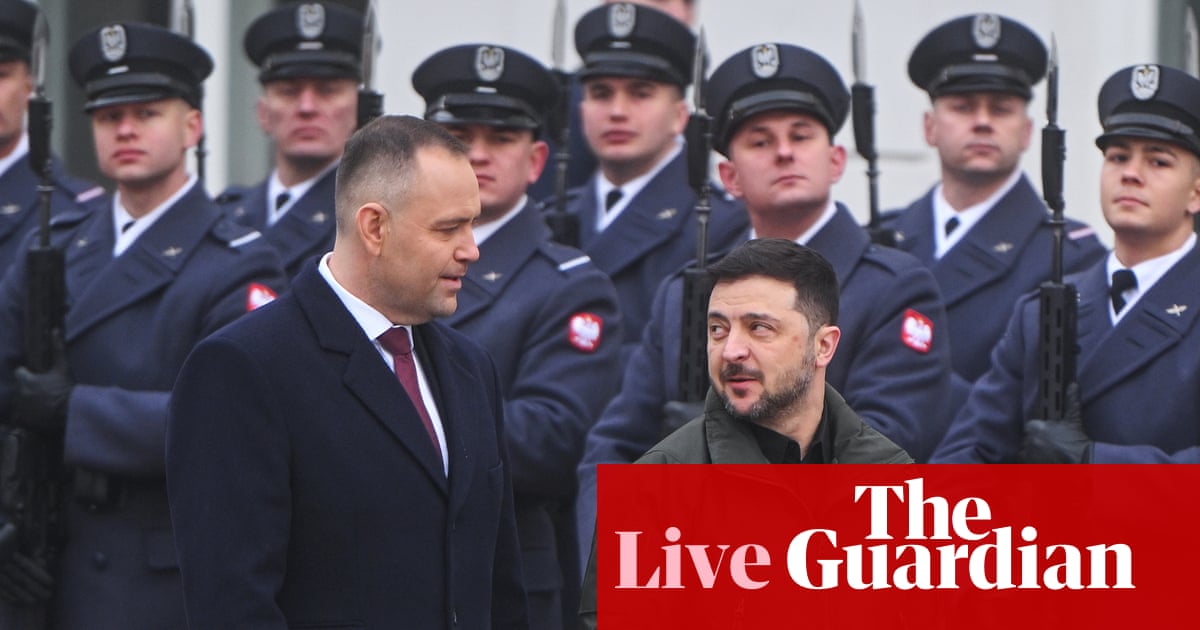
 The Guardian
Ukraine war live: Zelenskyy says EU agreement to loan €90bn to Kyiv ‘truly strengthens our resilience’
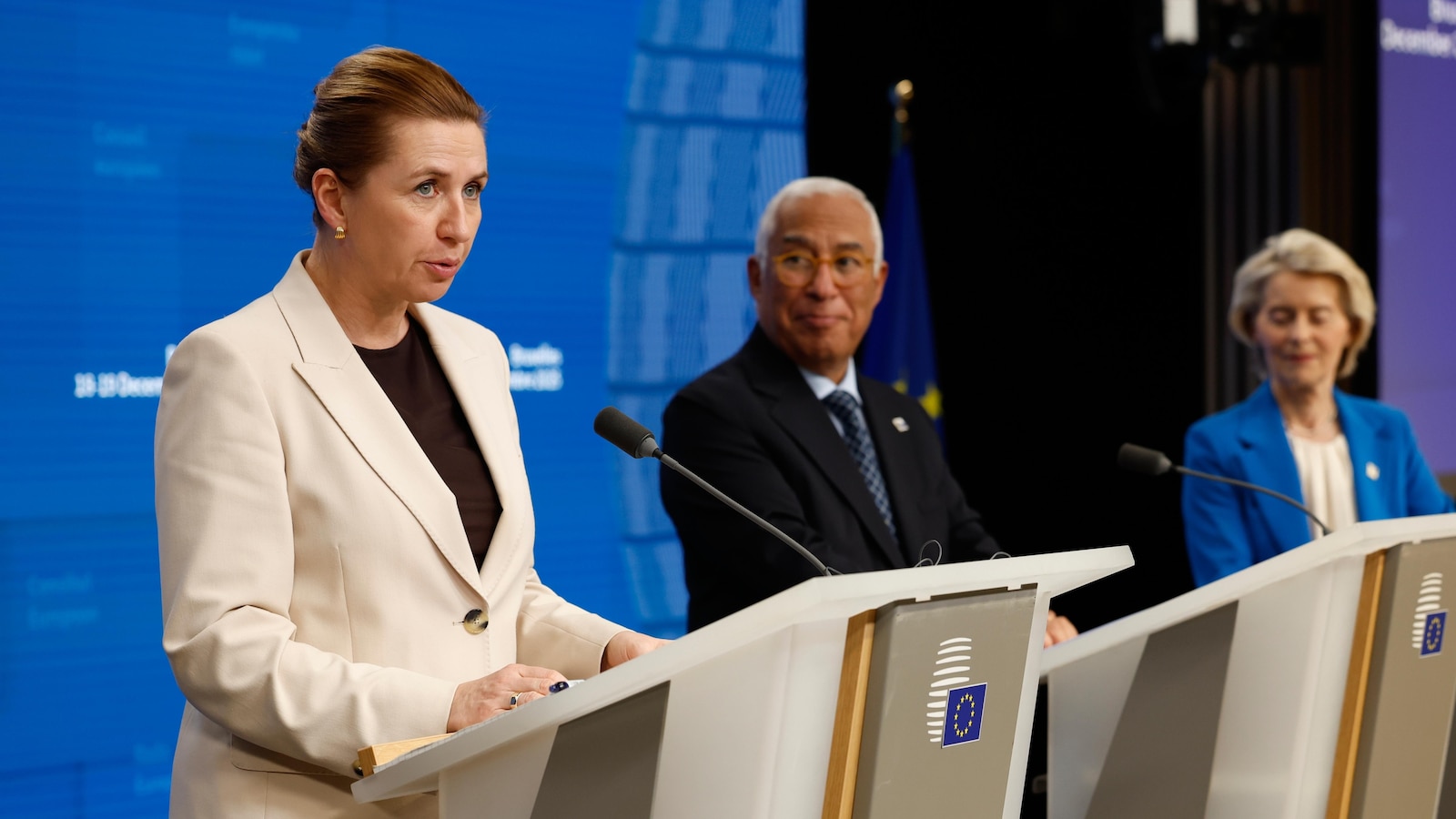
 ABC News
EU leaders agree on 90 billion euro loan to Ukraine after a plan to use Russian assets unravels
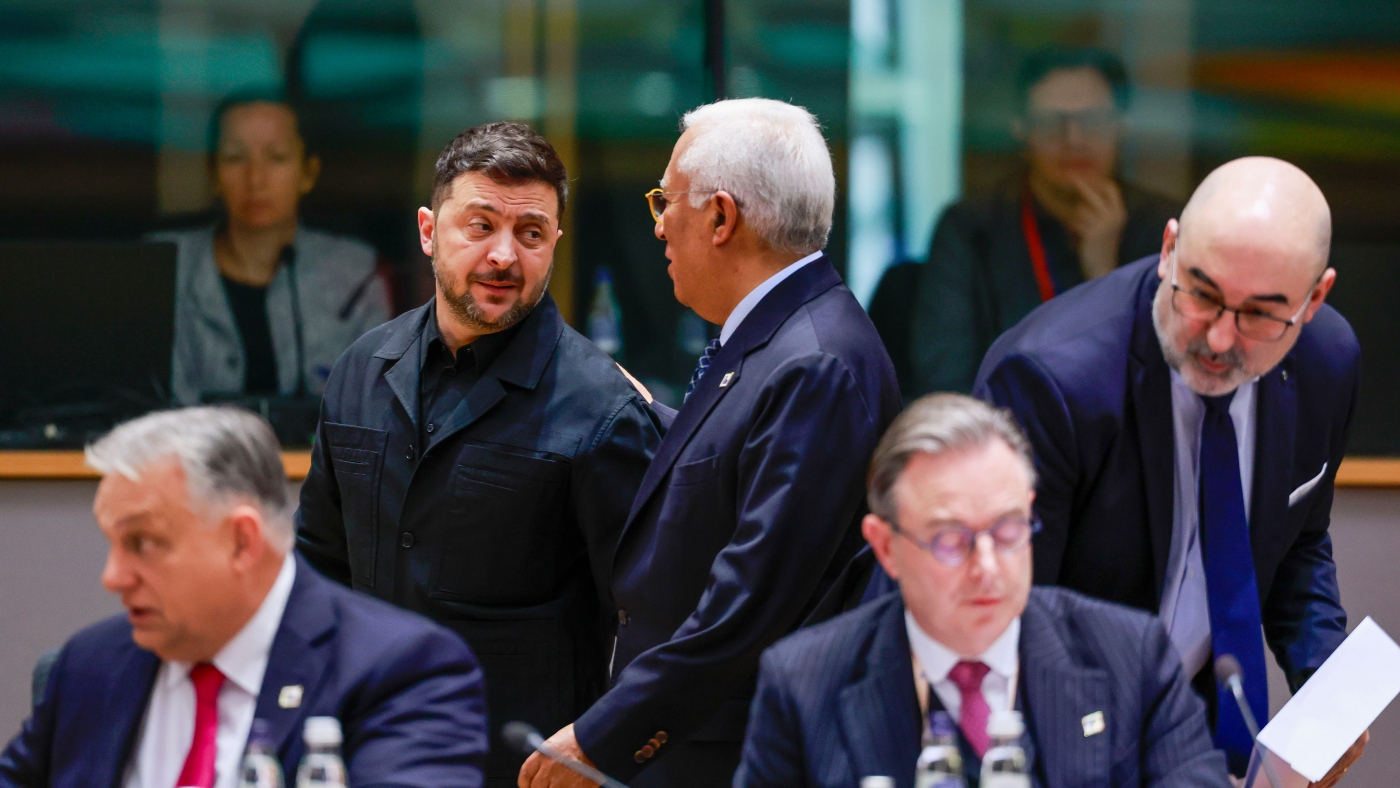
 NPR
NPREU leaders agree on $105bn Ukraine loan, but without relying on frozen Russian assets

 Al Jazeera
Which countries, besides Russia, have assets frozen by the EU?
Overview
EU leaders approved a €90 billion interest-free loan for Ukraine's military, economic, and budgetary needs over the next two years, with President Zelenskyy expressing gratitude.
This crucial funding addresses Ukraine's estimated need of €136 billion over the next two years to avoid bankruptcy, as highlighted by EU estimates.
German Chancellor Friedrich Merz confirmed that Ukraine will only be required to repay the loan if Russia ultimately pays reparations for its war.
The plan to use frozen Russian assets to fund the loan was rejected due to legal concerns from Belgium, leading to proceeding without them.
Hungary, Slovakia, and the Czech Republic opposed the €90 billion loan but did not block it, particularly after the Russian assets plan fell through.
Analysis
Center-leaning sources frame the EU's Ukraine aid as a crucial, albeit complex, achievement. They emphasize Ukraine's urgent financial needs and the EU's commitment, while highlighting the internal disagreements and legal hurdles that prevented the use of frozen Russian assets. This frames the final loan agreement as a pragmatic compromise, balancing support for Ukraine with member states' concerns.
FAQ
The loan will be financed through EU common borrowing mechanisms—likely via the European Commission raising funds on capital markets backed by the EU budget and member-state guarantees—structured as an interest-free facility for Ukraine over two years. Exact funding instruments and guarantee details will be set out in follow-up EU implementing decisions and budget arrangements.
Belgium and some legal advisers warned that repurposing frozen Russian state assets for Ukraine could breach EU and international law, including property rights and sanctions regimes, and might invite legal challenges; those risks led leaders to abandon the plan to avoid litigation and ensure rapid disbursement.
EU leaders agreed that Ukraine would only be required to repay the interest-free loan if and when Russia pays reparations; until such reparations are recovered or legally established, Ukraine’s repayment obligation is contingent and effectively deferred.
Hungary, Slovakia, and the Czech Republic opposed the size or terms of the loan and the related approach to using frozen assets; however, their objections did not block the measure because EU leaders reached consensus without unanimity for this political agreement, allowing the plan to proceed despite their dissent.