Iran Protests Widen as Economic Crisis Deepens and Security Clashes Erupt Nationwide
Protests across Iran intensify, shifting from women's rights to economic grievances amid high inflation, currency collapse, and security crackdowns, with fatalities and a nationwide spread.
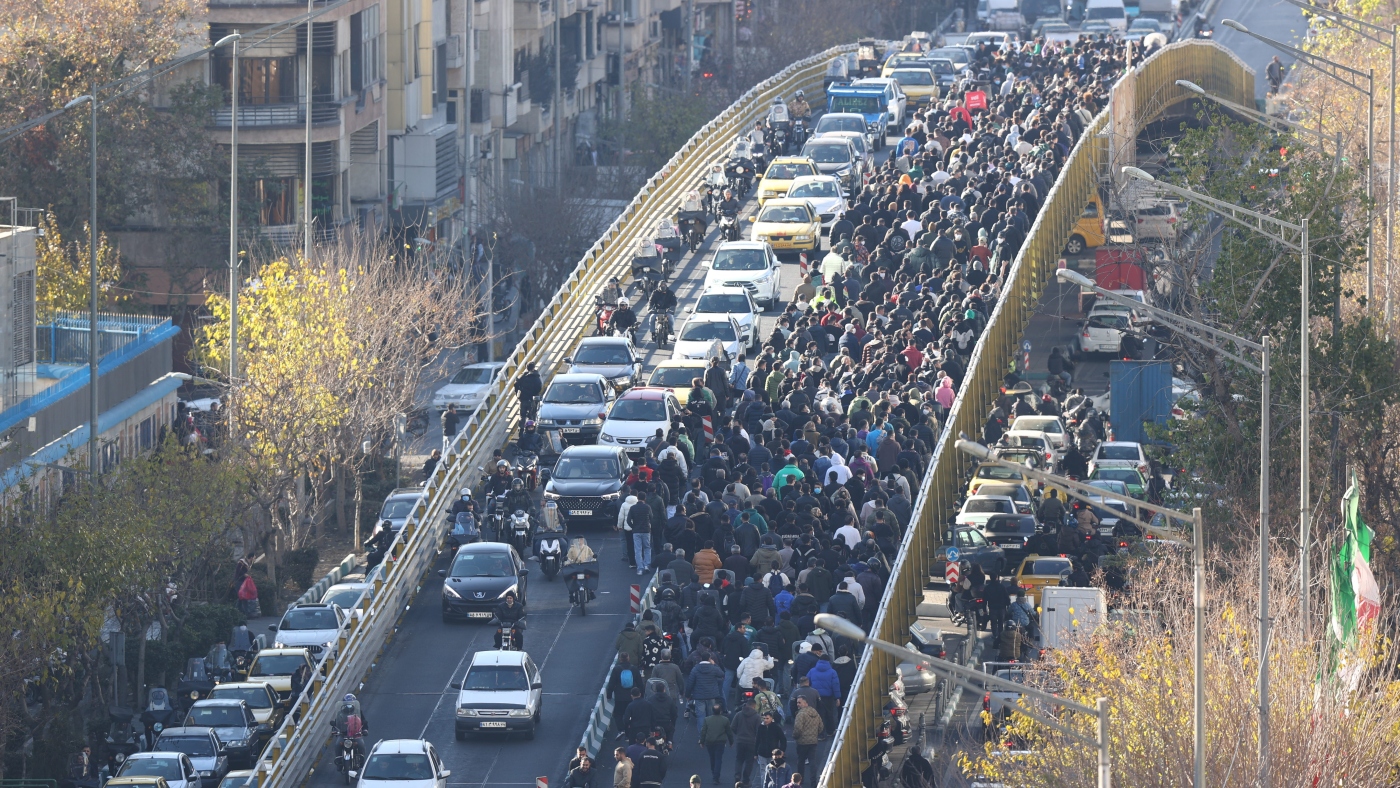
 NPR
NPRDeaths reported during widening protests in Iran sparked by ailing economy
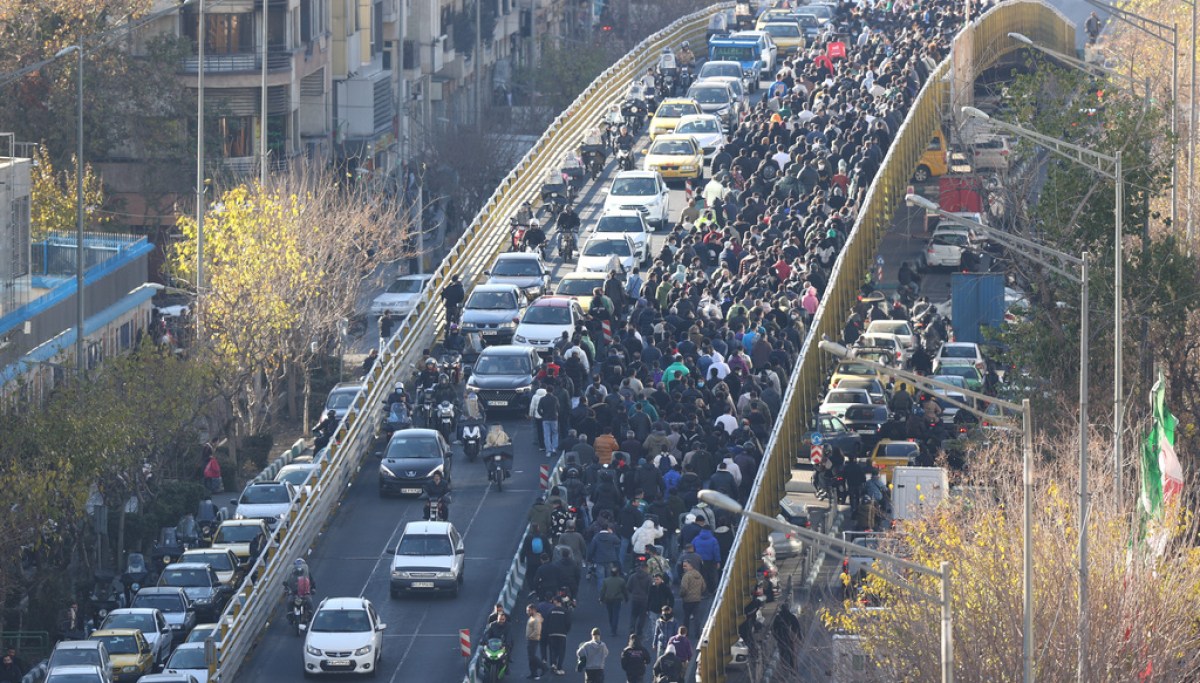
 Washington Examiner
First fatalities reported as Iranian protests spread nationwide
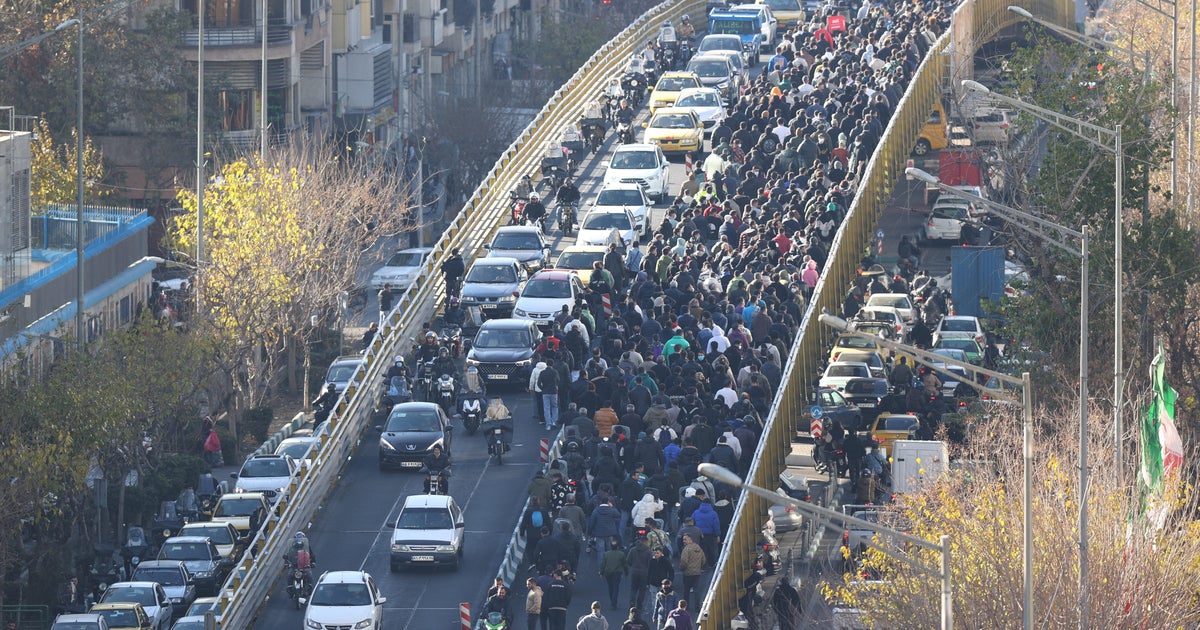
 CBS News
At least 6 reported killed during Iran protests over struggling economy
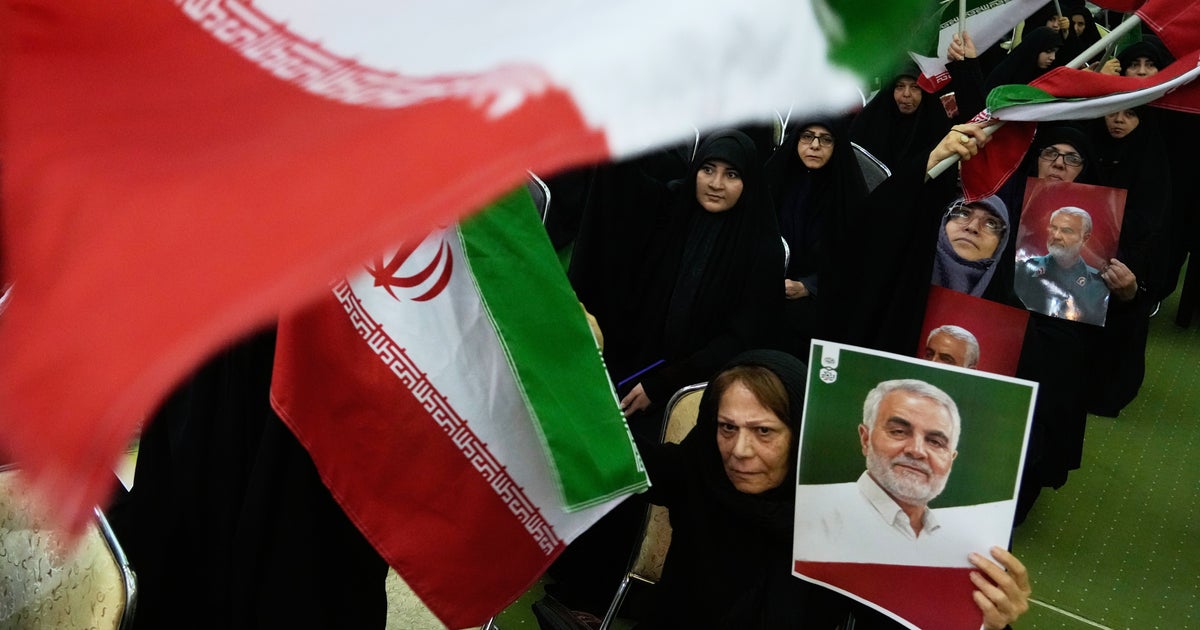
 HuffPost
At Least 6 Killed In Iran During Widening Protests Sparked By Ailing Economy
Overview
Protests have surged nationwide from Tehran to Lorestan’s Lordegan and Kouhdasht, drawing in workers, students, and reform advocates challenging the economic crisis and political leadership.
Rising inflation and currency collapse spur clashes as demonstrators throw stones at government buildings, banks, and police stations, while security forces respond with tear gas and gunfire.
Incidents have been reported in Kouhdasht and Azna in Lorestan, with Lordegan seeing fatalities; state media marked arrests in Tehran and other cities.
Protests broaden to economic justice and political grievances, with calls for regime change; authorities cite cold weather to declare a public holiday and encourage extended weekends.
The unrest unfolds as Iran navigates regional tensions and a fragile nuclear dialogue, with state media downplaying violence while reformist outlets report higher casualty tallies.
Analysis
Center-leaning sources frame the story by emphasizing the complexity and gravity of the situation in Iran. They use neutral language, avoiding loaded terms, and present multiple perspectives, including those of protesters, government officials, and human rights groups. The coverage highlights the broader socio-economic context and the historical backdrop of previous protests, providing a balanced view without overt bias.
FAQ
The protests were initially triggered by skyrocketing inflation, rising food prices, severe depreciation of the Iranian rial, and currency volatility that pushed the U.S. dollar to around 1.45 million rials.
Starting with shopkeepers and merchants closing shops in Tehran on December 28, protests expanded nationwide to cities like Lorestan’s Lordegan and Kouhdasht, involving students and workers, evolving from economic issues to demands for regime change and political reform.
President Masoud Pezeshkian reshuffled Central Bank leadership, reappointed Abdolnaser Hemmati, eliminated subsidized exchange rates for basic goods, and declared public holidays citing cold weather; security forces used tear gas and gunfire, with arrests reported.
High inflation, rial collapse, rising dollar exchange rates, energy shortages, and loss of purchasing power have intensified economic grievances, leading to business closures and widespread dissatisfaction.
Clashes involved stone-throwing at government buildings and police stations, countered by tear gas and gunfire; fatalities reported in Lordegan, with higher casualty tallies from reformist outlets versus state media.