Khamenei Vows to Guard Nuclear, Missile Programs as Strait Standoff Drives Oil Higher
Supreme leader defended Iran's nuclear and missile programs and signaled control of the Strait of Hormuz as Brent crude reached $126 and U.S. forces turned back 44 vessels.
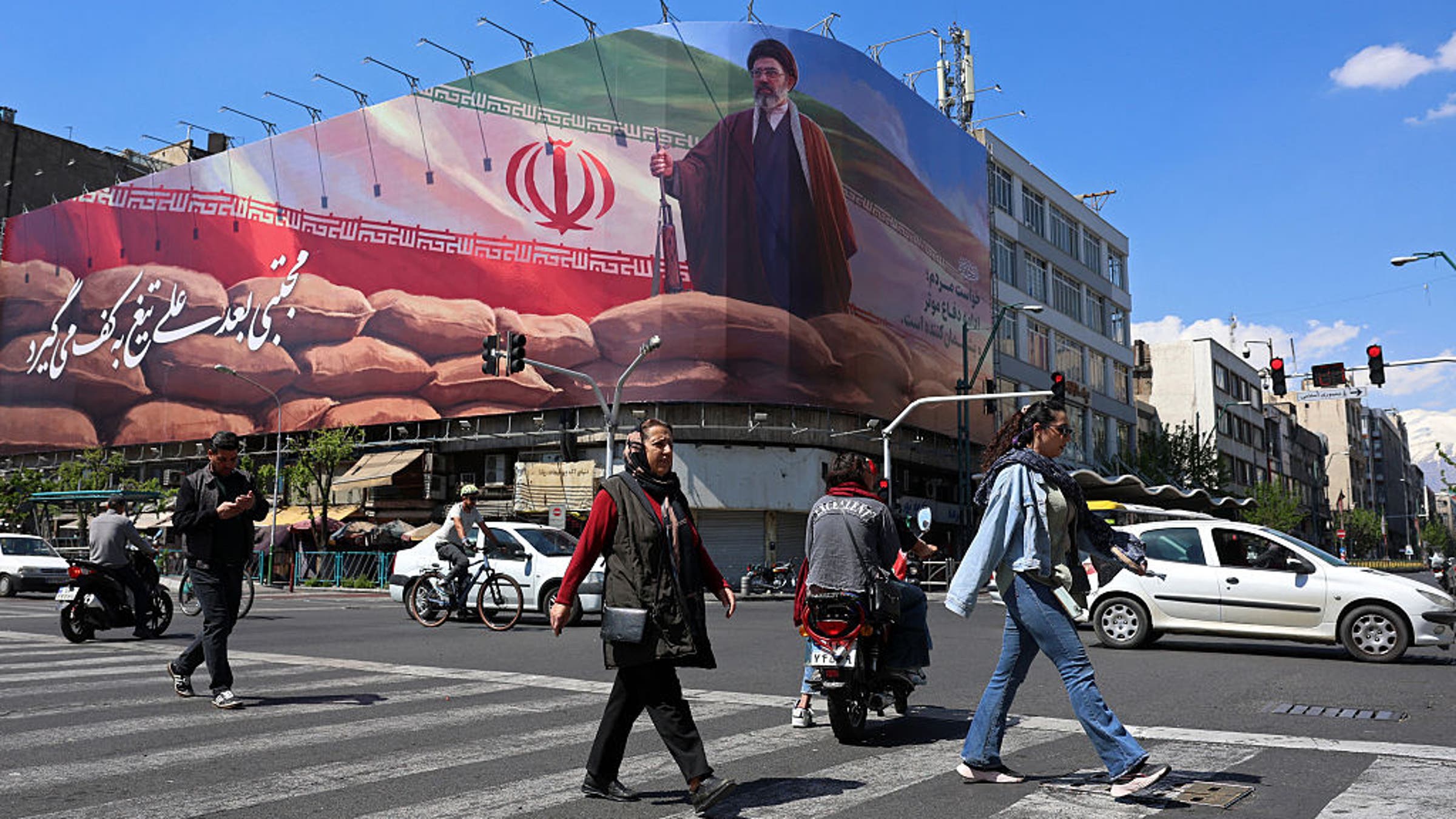
 TIME Magazine
Iran Vows to Protect Its Nuclear and Missile Capabilities as Oil Prices Soar to Four-Year High
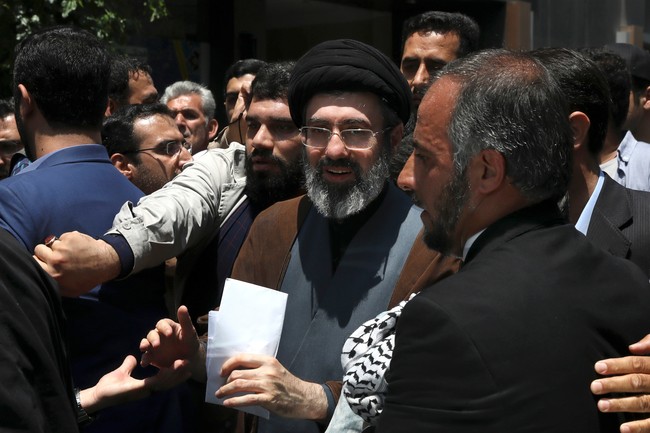
 RedState
Big Mouth, Empty Hands: Iran Defies US While Choking on Sanctions
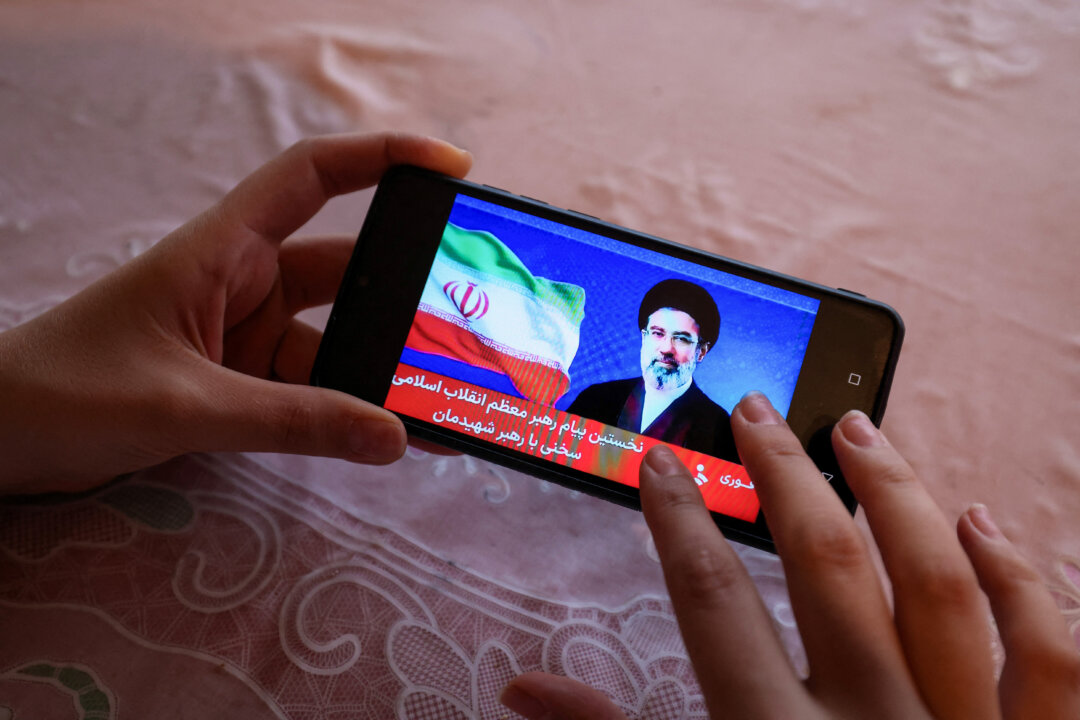
 Epoch Times
Iranian Leader Says Hormuz Strait ‘Will Be Managed by New Rules’

 New York Post
Iran’s injured supreme leader rejects Trump’s demands, vows to keep nuclear, missile systems intact
Overview
Ayatollah Mojtaba Khamenei said in a written statement read on state television that Iran will protect its nuclear and missile capabilities and implement new management of the Strait of Hormuz.
The statement coincided with Persian Gulf Day and follows a U.S. naval blockade that U.S. Central Command said has turned back 44 commercial vessels.
The U.S. State Department instructed diplomats to seek support for a "maritime freedom construct," and European leaders pledged defensive naval measures and expanded sanctions targeting breaches to freedom of navigation.
Brent crude traded as high as $126 a barrel, about one-fifth of global oil normally transits the Strait of Hormuz, and vessel traffic has fallen to as low as three ships a day compared with 120–140 normally.
Pakistan said it is facilitating indirect talks between the U.S. and Iran even as Pakistan and sources said U.S. Central Command has prepared plans for a "short and powerful" wave of strikes and military options remain under consideration.
Analysis
Center-leaning sources frame Iran as defiant and threatening regional stability by foregrounding loaded verbs ("defiantly vowed," "chokehold"), emphasizing U.S. blockade, oil-price shocks, and Gulf-ally complaints, and linking Iran to human-rights abuses. Editorial choices—word choice, selective emphasis on U.S. cable language and casualty counts—build a predominantly negative narrative; quoted criticism remains source content.