Trump Signs Broad Sanctions Targeting Cuba; Havana Vows Resistance
Executive order broadens penalties on Cuban officials and foreign firms in key sectors and threatens banks' U.S. access, prompting Cuban leaders to denounce the measures amid May Day protests.
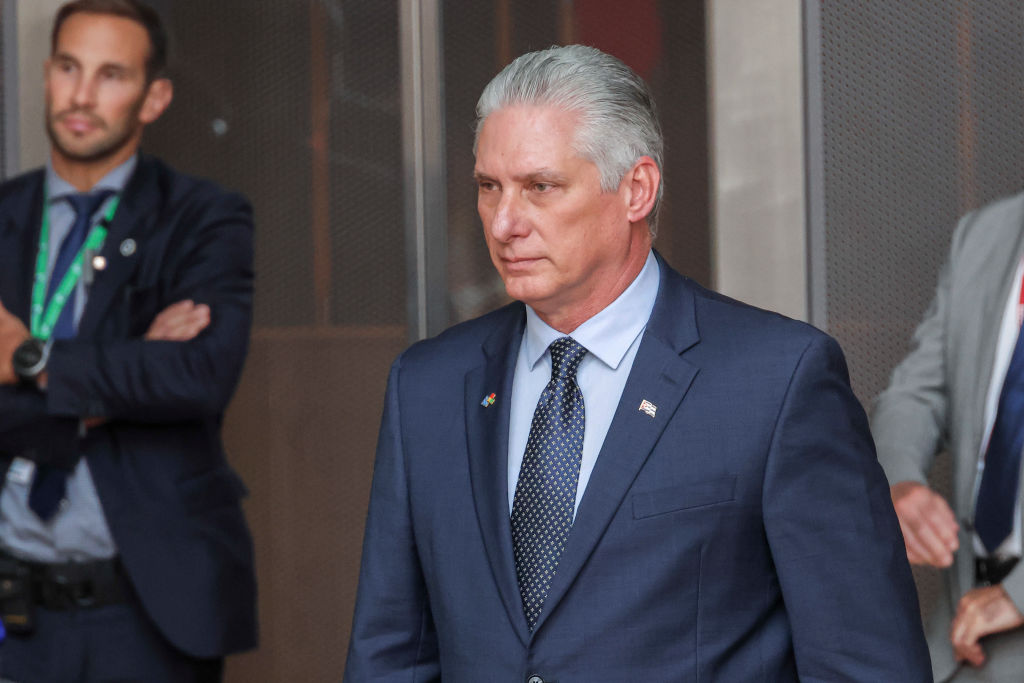
 Truthout
Trump Expands Cuba Sanctions; Díaz-Canel Says Nation Won’t “Surrender”

 One America News Network
Trump signs EO to impose new sanctions on entities tied to Cuba
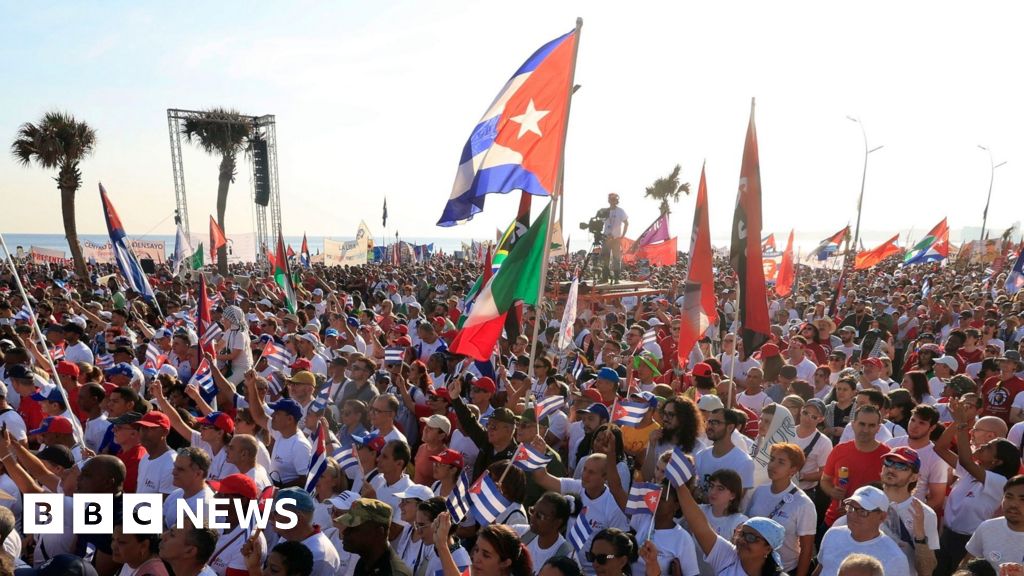
 BBC News
Cuba condemns new US sanctions as 'illegal' and 'abusive'
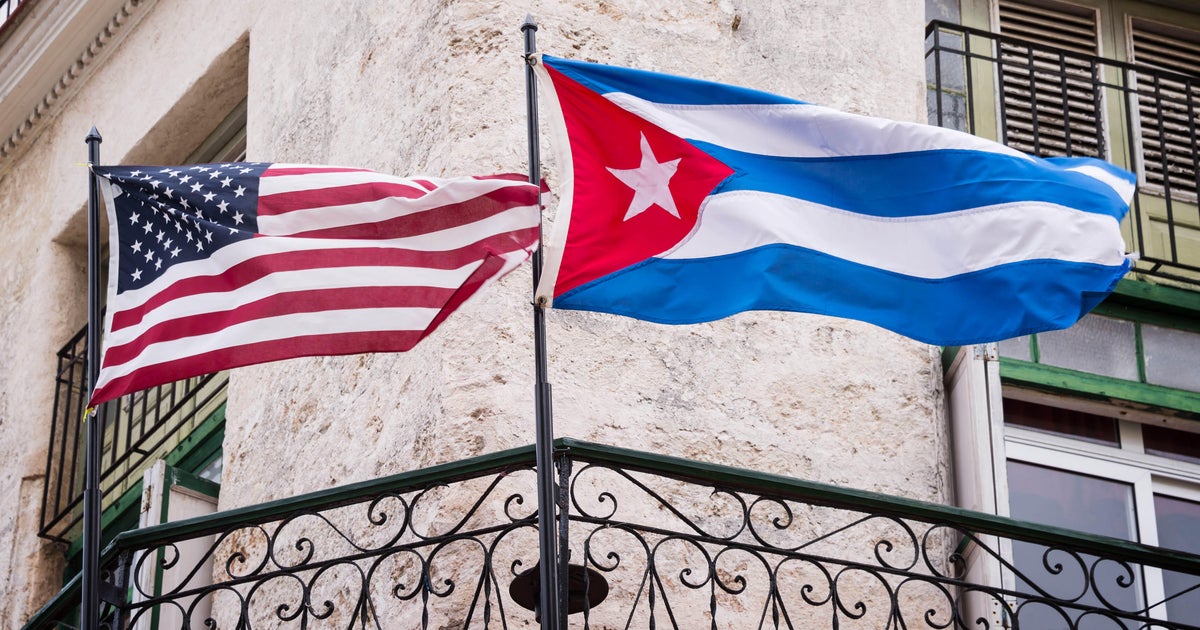
 CBS News
Trump's executive order tightening U.S. sanctions on Cuba is a warning to other countries, expert says
Overview
President Donald Trump signed an executive order on Friday tightening U.S. sanctions on Cuba and authorizing penalties on foreign companies and banks that do business with the country.
The order authorizes blocking U.S. assets of individuals and entities and targets officials and operators in energy, defense, financial services, metals, mining and security sectors, officials said.
Cuban President Miguel Díaz‑Canel called the measures coercive and said Cuba will not "surrender," and Foreign Minister Bruno Rodríguez denounced the sanctions as "illegal and abusive."
Only one Russian oil tanker has reached Cuba since the U.S. fuel blockade began, and the island lies 145km (90 miles) from Florida, where Trump said the U.S. would be "taking over" Cuba.
Experts warned the measures could isolate Cuba from the international financial system, limit investment and worsen shortages, and the order took effect during 1 May celebrations that saw crowds march to the U.S. embassy.
Analysis
Center-leaning sources frame coverage sympathetically toward Cuba by foregrounding Cuban condemnations, protests, and humanitarian impacts while minimally presenting U.S. rationale. Editorial choices—headline emphasis, selection of vivid Trump quotes, and detailing blackouts and oil shortages—create a narrative of U.S. coercion; quoted accusations remain labeled as source content rather than reporter assertion.