David Attenborough Turns 100 With Concert, Species Tributes
Centenary celebrations include a Royal Albert Hall concert broadcast on BBC One, a newly named parasitic wasp, about 50 organisms honoring him, and a museum exhibition running until August.

 The Guardian
‘The greatest ambassador for life on Earth’: Tributes paid to David Attenborough on his 100th birthday
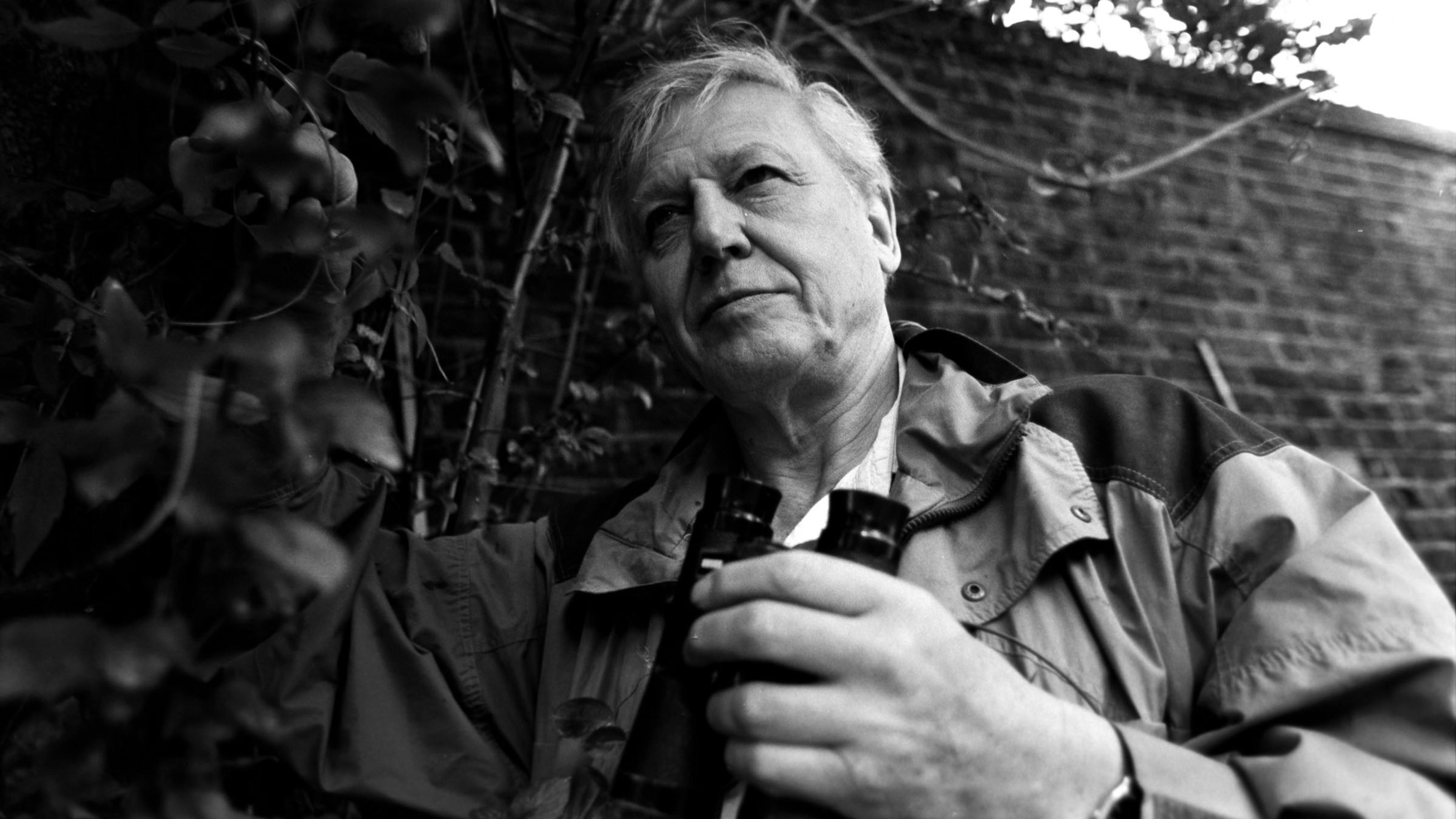
 TIME Magazine
At 100, David Attenborough Is Nature’s Most Trusted Voice
/https://tf-cmsv2-smithsonianmag-media.s3.amazonaws.com/filer_public/cd/a9/cda924fc-2458-454b-bbec-70022e51f046/smithmag-attenborough-v2.jpg)
 Smithsonian Magazine
David Attenborough Has Inspired Countless Scientists. To Mark His 100th Birthday, Here Are Ten Living Things They've Named After Him

 IFL Science
David Attenborough Turns 100 This Week – Here's Why He's Become Even More Iconic In Old Age
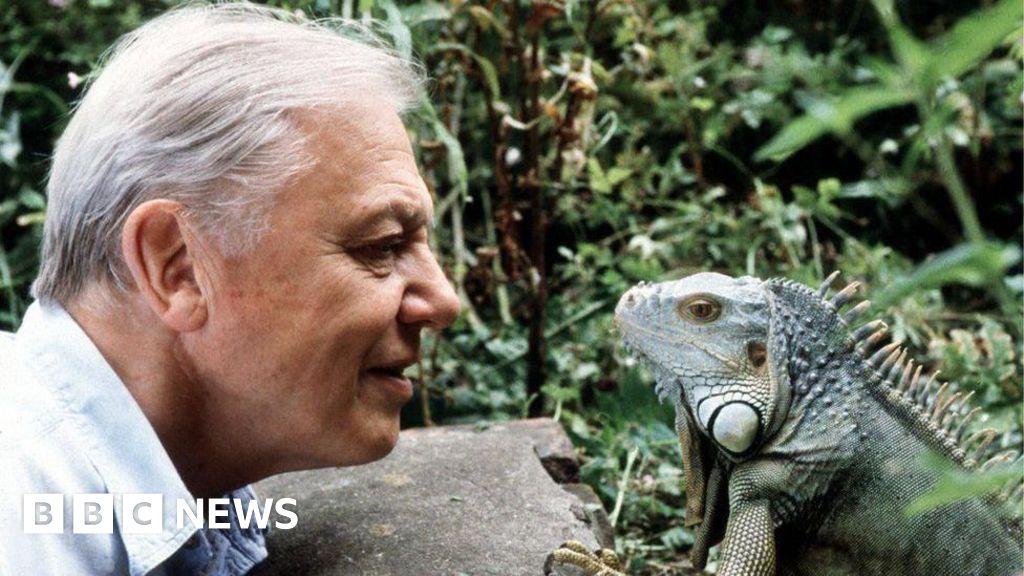
 BBC News
David Attenborough says he is 'overwhelmed' by 100th birthday messages
Overview
A special 90-minute concert at the Royal Albert Hall will mark Sir David Attenborough's 100th birthday and will be broadcast on BBC One and iPlayer from 20:30 BST on Friday, presenter Kirsty Young said.
The Natural History Museum said it has named a newly discovered parasitic wasp Attenboroughnculus tau and is running an immersive exhibition, Our Story With David Attenborough, until August.
Tributes poured in from scientists and public figures, with Chris Packham calling Attenborough 'the greatest ambassador for life on Earth' and Ian McKellen praising his storytelling, reports said.
Scientists said about 50 organisms have been named after Attenborough, spanning fungi, plants, birds, marine worms and fossils, with discoveries reported in 2018, 2022, 2023, 2024 and January 2025.
The Royal Albert Hall concert will conclude a week of centenary programming on the BBC, which has made many of his programmes available in a dedicated iPlayer collection, the BBC said.
Analysis
Center-leaning sources frame this coverage as a celebratory tribute, using laudatory descriptors ("one of the most famous broadcasters and naturalists of all time"), selecting admiring scientist quotes (for example, influence on career choices), and arranging a list of species as human-interest vignettes. They omit critical perspectives on eponymy or colonial naming practices.