US Confirms New World Screwworm In Texas Calf, Pushes Sterile-Fly Response
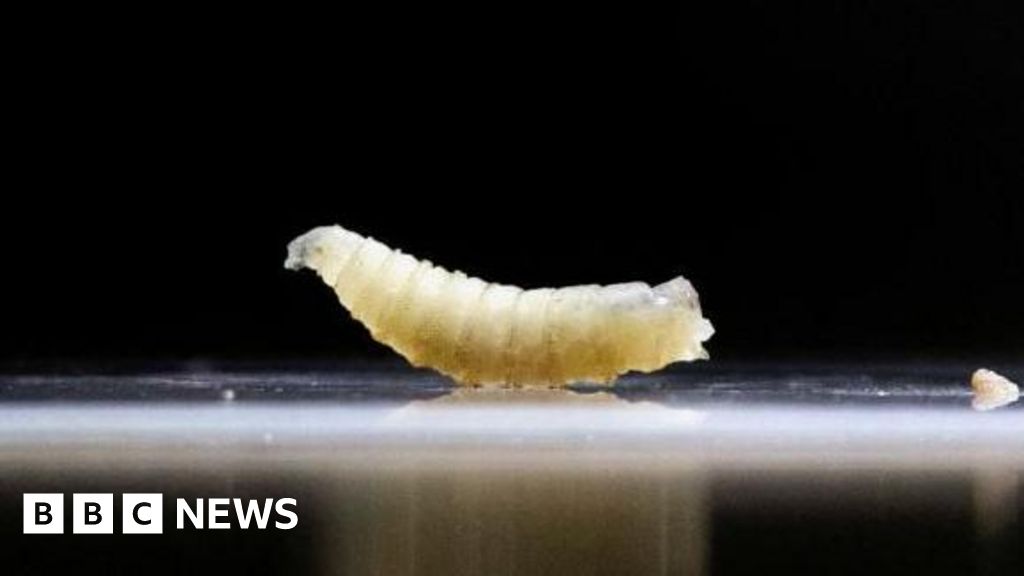
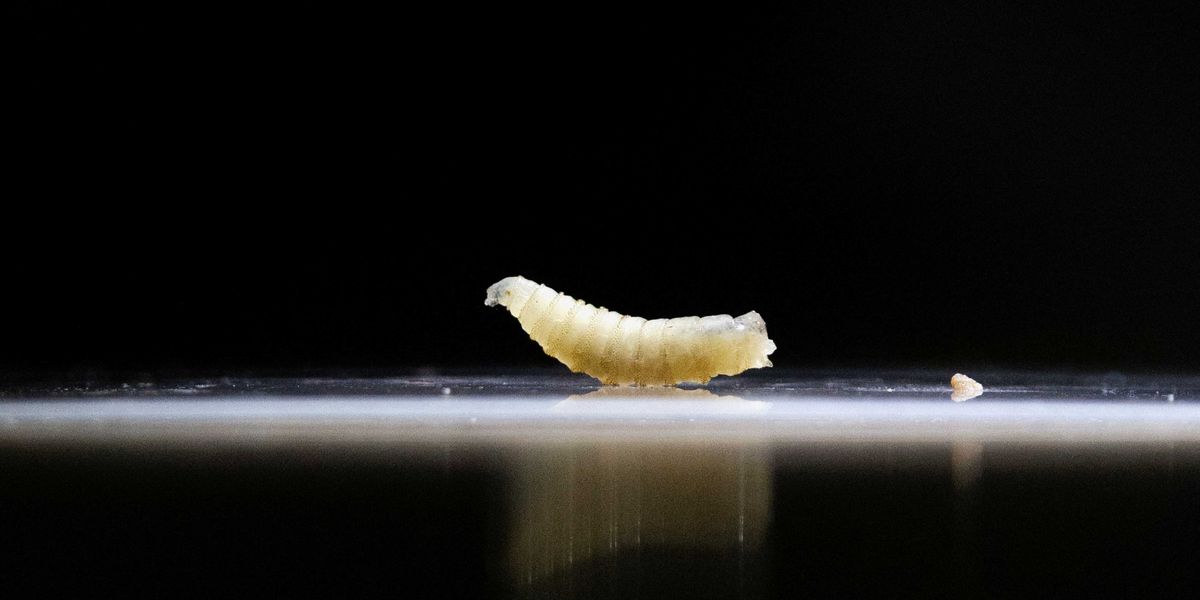
New World screwworm larvae were found in a 3-week-old Texas calf, prompting quarantines, sterile-fly releases and investments to expand breeding capacity amid limited current production.
 BBC News
US plans to fight flesh-eating screwworm outbreak with flies and dogs
 CBS News
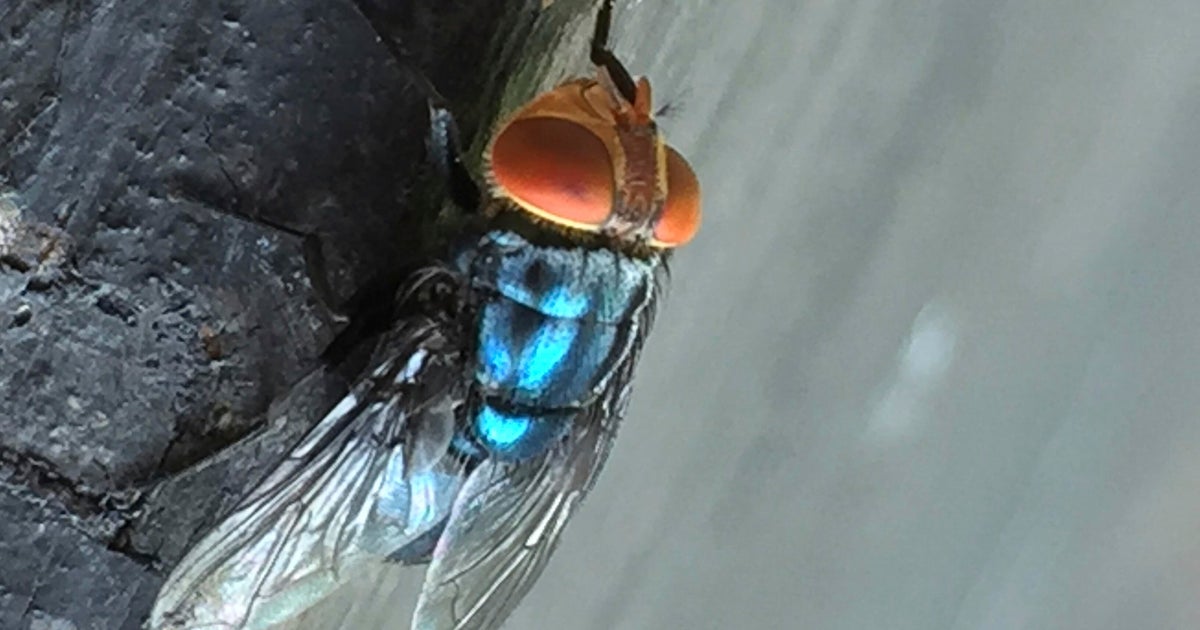
Flesh-eating New World screwworm found in Texas calf, USDA says
 The Post Millennial
Flesh-eating screwworm hits United States, threatens ranchers, cattle
 Raw Story
Trump official alarms onlookers with claims about a destructive parasite: 'Totally fine'
Overview
The USDA confirmed New World screwworm larvae in a 3-week-old calf in La Pryor, Zavala County, Texas, and established a 12-mile (20-kilometer) infested zone with quarantines and movement controls.
The detection follows rising cases across Mexico and Central America and threatens the $113 billion U.S. cattle industry, with officials warning larvae can burrow into living flesh and cause serious livestock damage.
Secretary of Agriculture Brooke Rollins blamed open-border policies and criticized Mexico's response, Texas Agriculture Commissioner Sid Miller called the federal reaction slow, and Sen. Ted Cruz urged urgent action, officials said.
Officials have been releasing roughly 8 million sterile flies weekly, yet U.S. and Mexican facilities produce about 100 million weekly while officials estimate up to 600 million may be required.
USDA is boosting surveillance, deploying sniffer dogs at the border, enforcing quarantines and movement controls within the 12-mile (20-kilometer) zone, and investing in new breeding facilities to expand sterile-fly production.
Analysis
Center-leaning sources frame the reappearance as an urgent, solvable agricultural crisis by leading with economic stakes and historical eradication, highlighting officials’ alarms and federal responses (quarantines, sterile-fly programs, major funding). they balance alarm with reassurances about food safety and treatments while giving less space to Mexican authorities’ pushback or broader socio-political causes.