Violent Anti-Immigrant Protests Erupt After Belfast Stabbing
Hundreds protested and set vehicles ablaze after police charged a Sudanese man with attempted murder in a Monday night knife attack that hospitalized a man in his 40s.
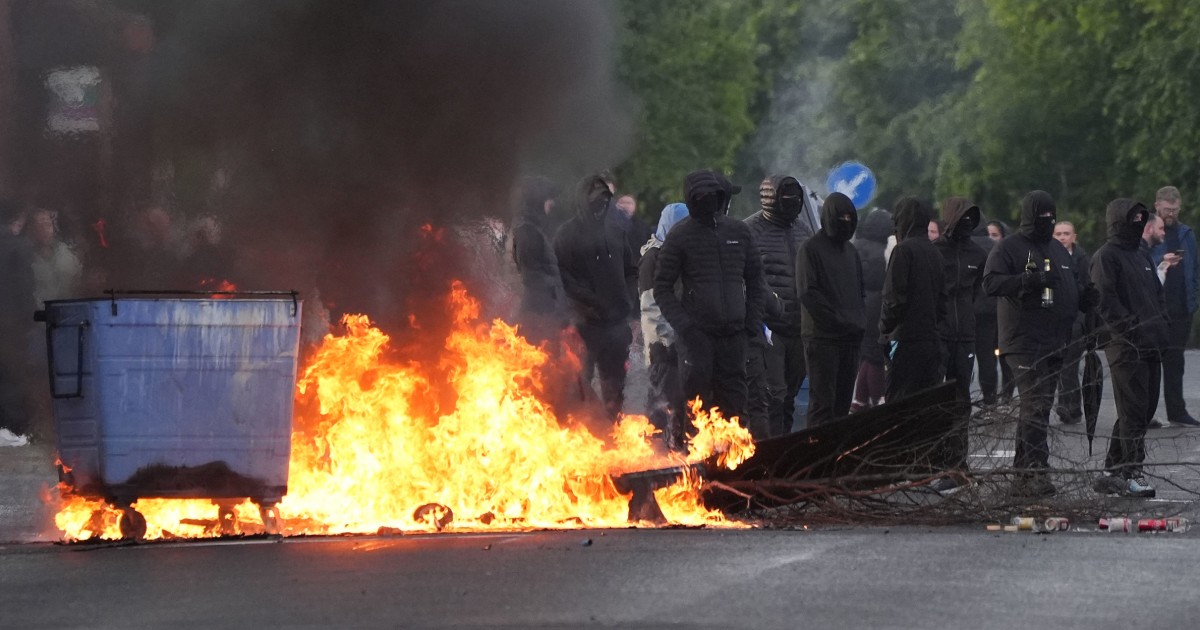
 NBC News
Violent anti-immigrant protests flare up across Belfast after knife attack
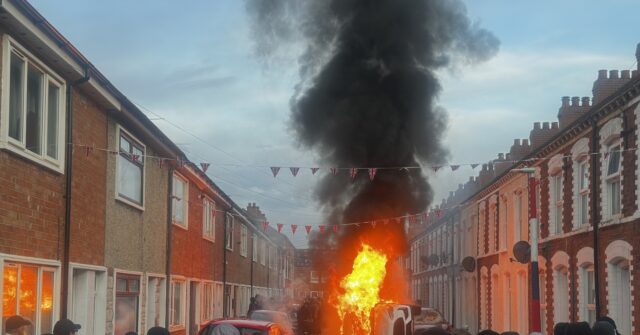
 Breitbart News
Belfast: Vehicles, Homes Set on Fire After Suspected Migrant Stabbing
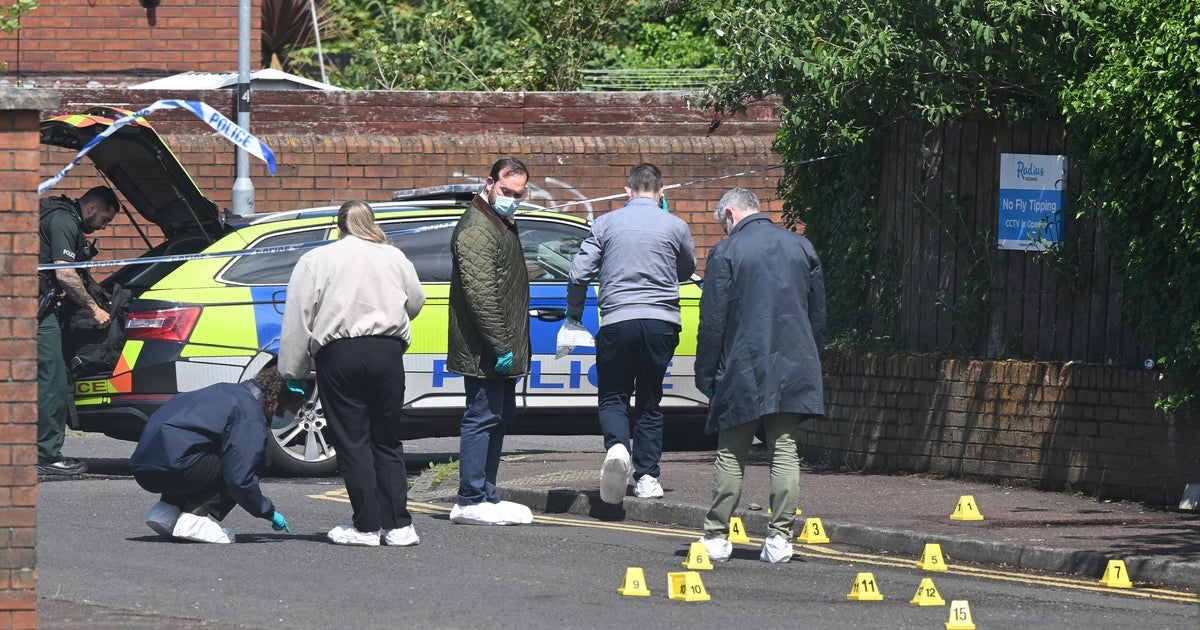
 CBS News
Brutal stabbing attack in Belfast sparks calls for anti-immigration protests in Northern Ireland
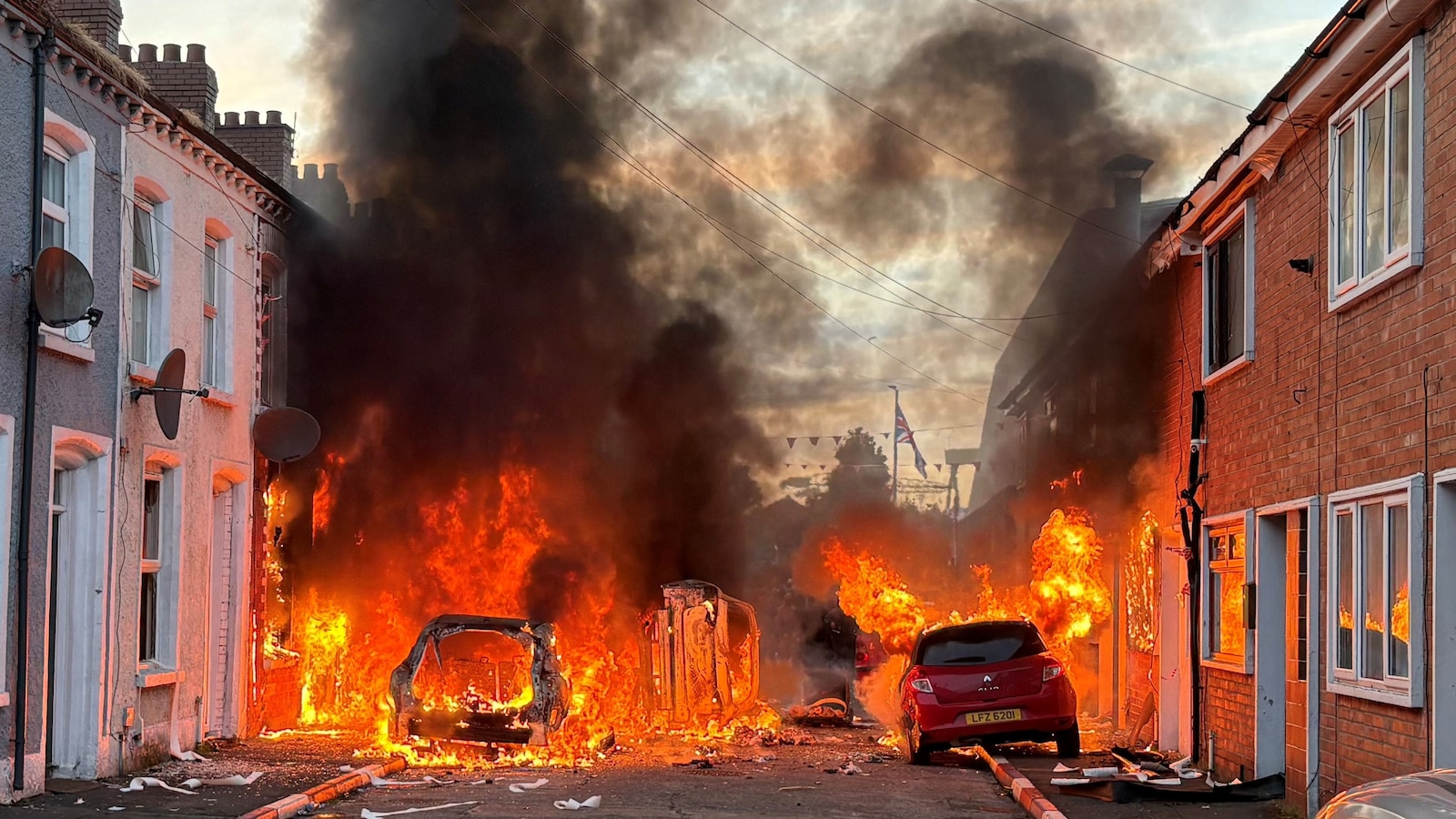
 ABC News
UK leaders call for calm as protests break out after Belfast street stabbing
Overview
Hundreds of anti-immigrant protesters gathered across Belfast and set vehicles, including a bus, ablaze after police charged a 30-year-old Sudanese man with attempted murder, police said.
The victim, a man in his 40s, was attacked late Monday in north Belfast with a kitchen knife and was hospitalized with serious injuries to his face, eyes and back, police and footage showed.
Prime Minister Keir Starmer called the attack "sickening" and Northern Ireland political leaders and senior police urged calm and warned against inciting hate, officials said.
Chief Constable Jon Boutcher said the suspect had been granted leave to remain in September 2023 after travelling from Paris to Dublin to Belfast and was not known to local police or national security databases.
The suspect is due at Belfast Magistrates' Court on Wednesday and Assistant Chief Constable Ryan Henderson said the PSNI had declared the incident a "critical incident" as the investigation continues and the Home Office confirms details.
Analysis
Center-leaning sources frame the unrest as largely driven by anti-immigration sentiment while stressing official calls for calm and police investigation. They foreground the suspect’s asylum status and vivid protest imagery (torched bus, incendiary slogans) to contextualize tensions, yet balance this with denials of terrorism and quotes urging restraint.