Gulf States Delay Hormuz Talks
Houthi attacks and Hormuz tensions are raising oil fears as Gulf-Iran diplomacy stalls.




.jpg)

7
Articles
6
Sources
Coverage mix
What happened
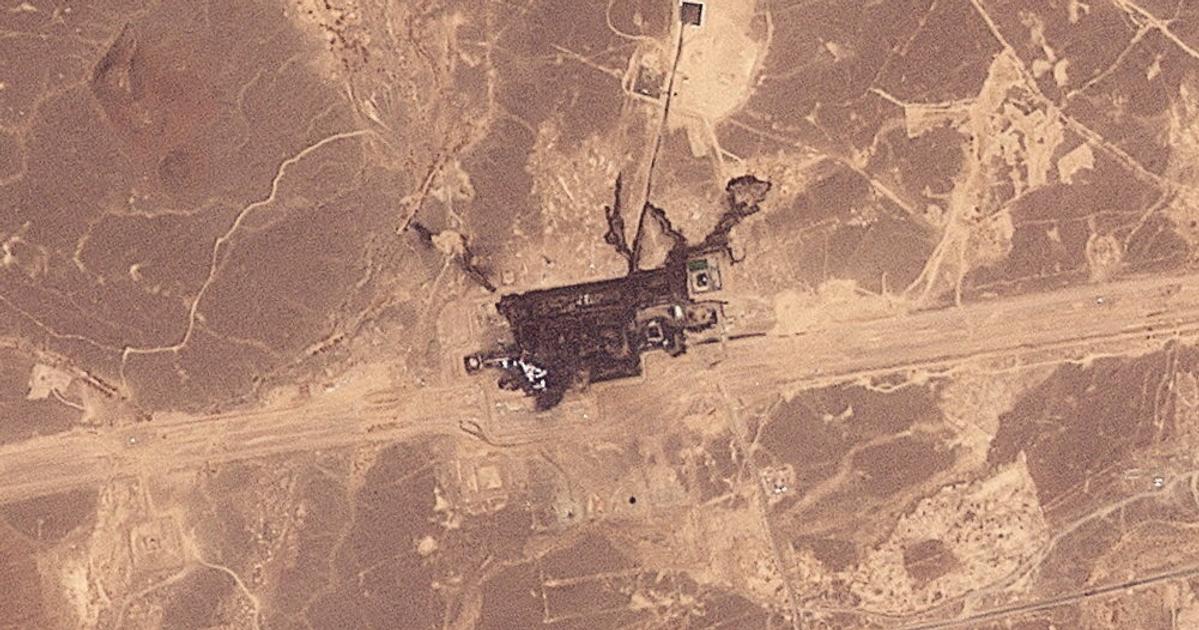
After Saudi Arabia closed its East-West pipeline, Gulf states today postponed planned talks with Iran on the Strait of Hormuz, citing Arab disunity and Saudi anger over Tehran’s Houthi support. Riyadh is trying to send more oil through Hormuz, but tanker costs topped $1 million on the Gulf-China route. The damaged pipeline carries about 4% of global crude. Brent rose above $108 as Yemen fighting intensified, raising fears the Bab el-Mandeb could face tighter limits too.
Both sides
From the left
Left-leaning coverage framed the delay as a sign that diplomacy is fraying while the Saudi-Houthi fight spills into energy markets. The Guardian reported that Gulf states postponed the Hormuz meeting because of Arab disunity and Saudi anger at Tehran. The New York Times said Prince Mohammed sought more U.S. military help, but President Trump rejected the request. The New York Times and The Guardian reported that Prince Mohammed met Adm. Brad Cooper.
From the right
Right-leaning coverage portrayed the crisis as a failure of strategy and readiness. The Daily Caller said an Iran-aligned rebel group broke a months-long stalemate, opened another front, and threatened a key shipping chokepoint. It said the Houthis seized about 2,000 square kilometers, including coastal areas, Mokha and Perim Island. The outlet argued poor Washington-Riyadh coordination worsened the damage and exposed limits in President Trump’s Middle East strategy.
Coverage•7 articles — 2 left, 4 center, 1 right
Get tomorrow's edition
Every side, every morning — free in your inbox.