

Iran Proposes Hormuz Deal
Tehran floated a seven-day plan to reopen the strait as it seeks a U.S. deal.
September 25, 2026 · Updated Sep 25, 11:54am ET

 PBS NewsHourIran has suggested a deal to reopen the Strait of Hormuz in 7 days
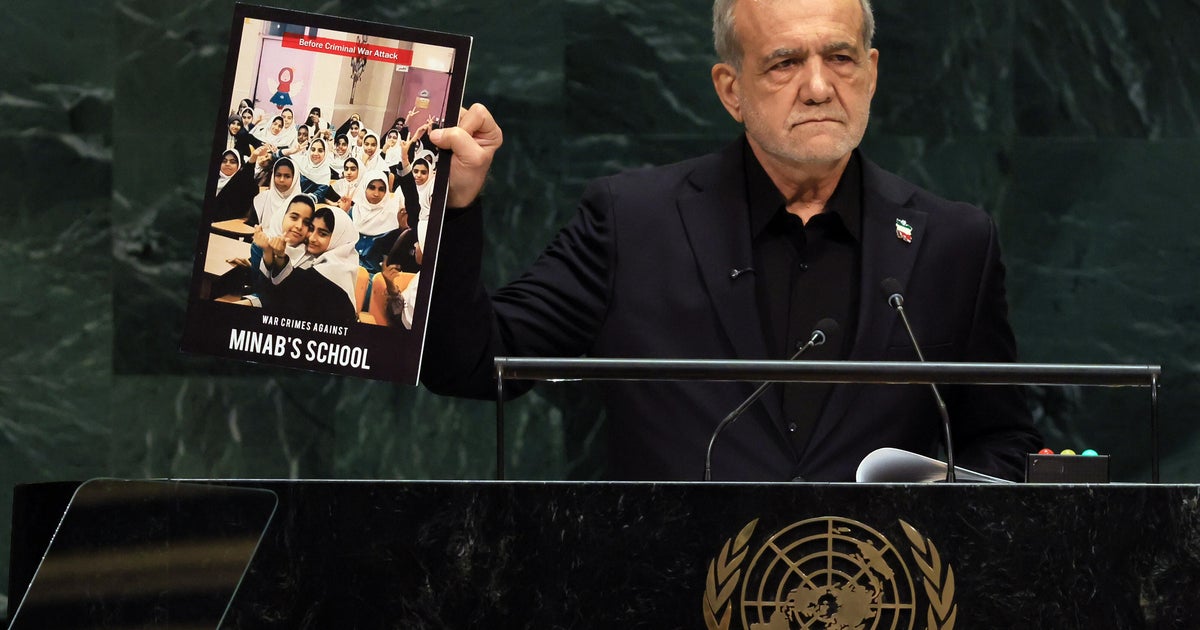
 CBS NewsIran War Updates: Tehran proposes 7-day plan to reopen Strait of Hormuz as it seeks deal before U.S. midterms
 The GuardianTrump faces tough choices as Iran dangles deal to reopen Hormuz before US midterms

 SemaforA seven-day proposal to reopen Hormuz is on the table
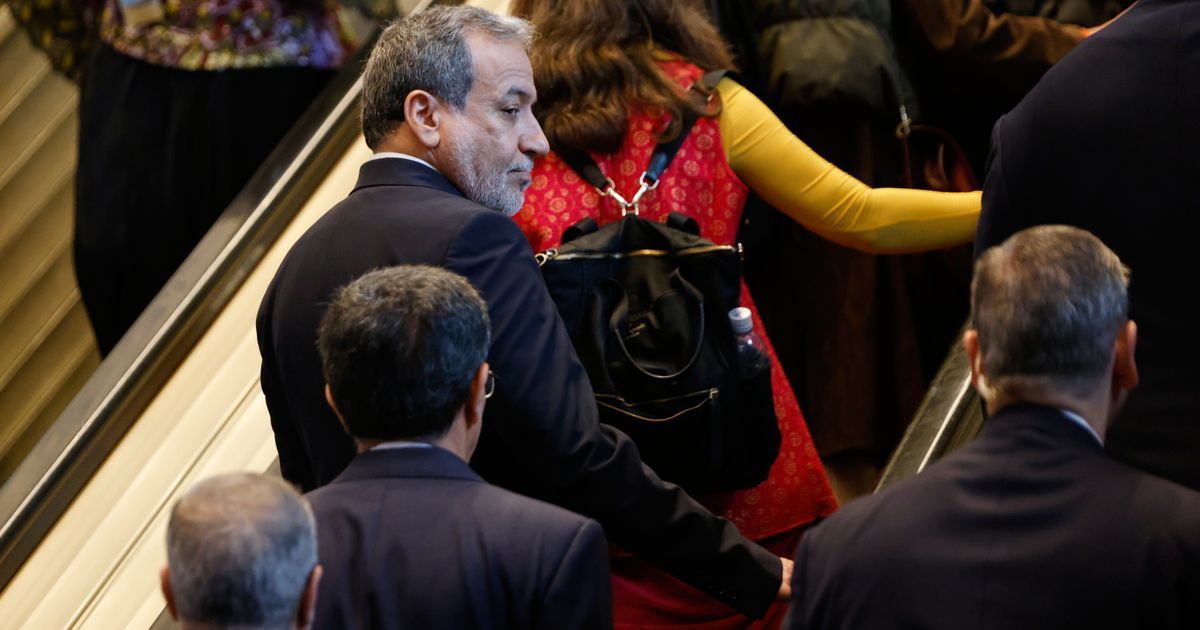
 Seattle TimesIran proposes a deal to reopen the Strait of Hormuz in 7 days if the US meets its conditions

 MEDIAiteIran Pitches Deal to Open Strait of Hormuz After UN Speeches
67%
Left · 4
33%
Center · 2
0%
Right · 0
Pano counted 6 articles from 6 outlets: 67% left-leaning, 33% center and 0% right-leaning. Pano rates the coverage Mostly Left.
What happened
Iran proposed a seven-day deal to reopen the Strait of Hormuz and restart nuclear negotiations if the United States lifts its naval blockade, eases sanctions on Iranian oil sales and agrees to a ceasefire. The proposal surfaced during private talks at the U.N. General Assembly in New York, after a June understanding collapsed when Iran resumed attacks on shipping. Iranian officials said the faster timetable could help President Donald Trump before the midterm elections by lowering gasoline prices and inflation pressure. Trump has said he is not rushing into a deal, while warning Iran during his U.N. remarks. The offer would require U.S. relief first, leaving doubts over whether either side will follow through.
How the left told it
Left-leaning accounts framed the offer as a test of Trump’s willingness to trade concessions for relief from a pre-election crisis. The Guardian cast it as a way to rapidly extricate Trump from a political crisis, while also treating it as an accelerated version of an earlier understanding. PBS NewsHour emphasized the diplomatic track, presenting the offer as a fast route back to nuclear talks.
How the right told it
Right-leaning outlets we track didn't cover this story.
U.S.-Iran Regional Conflict
Part of the storyline · Storyline →- Sep 27Trump Rejects Iran CeasefireBalanced
- Sep 26Trump Rejects Iran Hormuz DealLeans Left
- Sep 25Iran Proposes Hormuz Deal (this story)Mostly Left
- Sep 23Trump Weighs Diesel Export BanMostly Right
- Sep 23U.S. Walks Out On IranBalanced


