SpaceX Booster Hits Moon
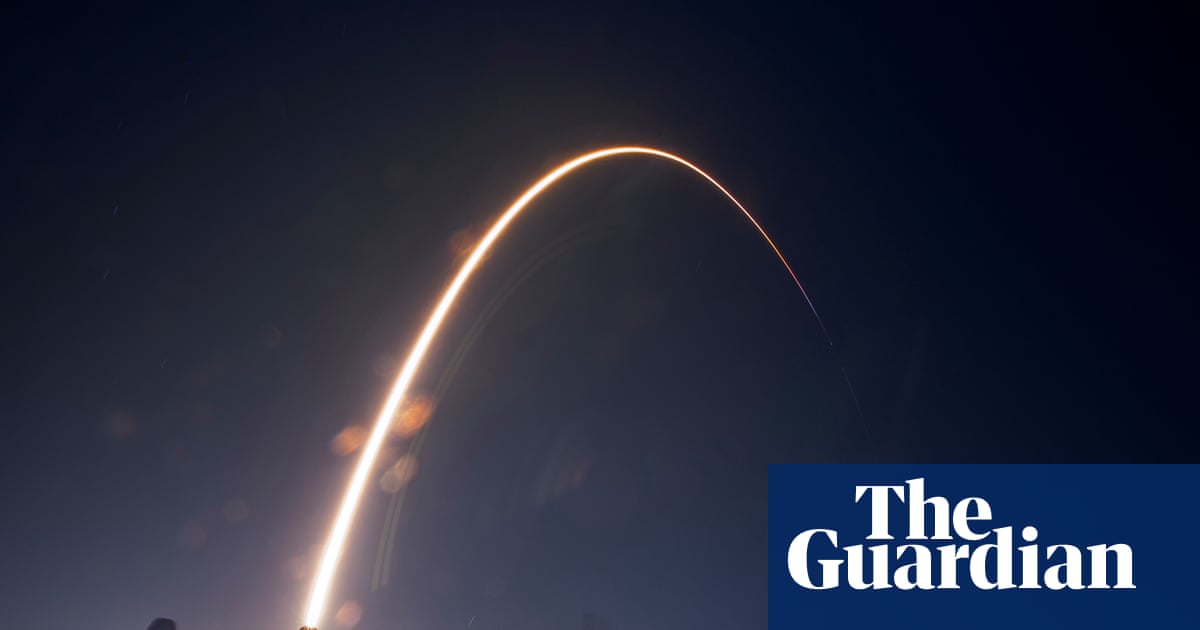
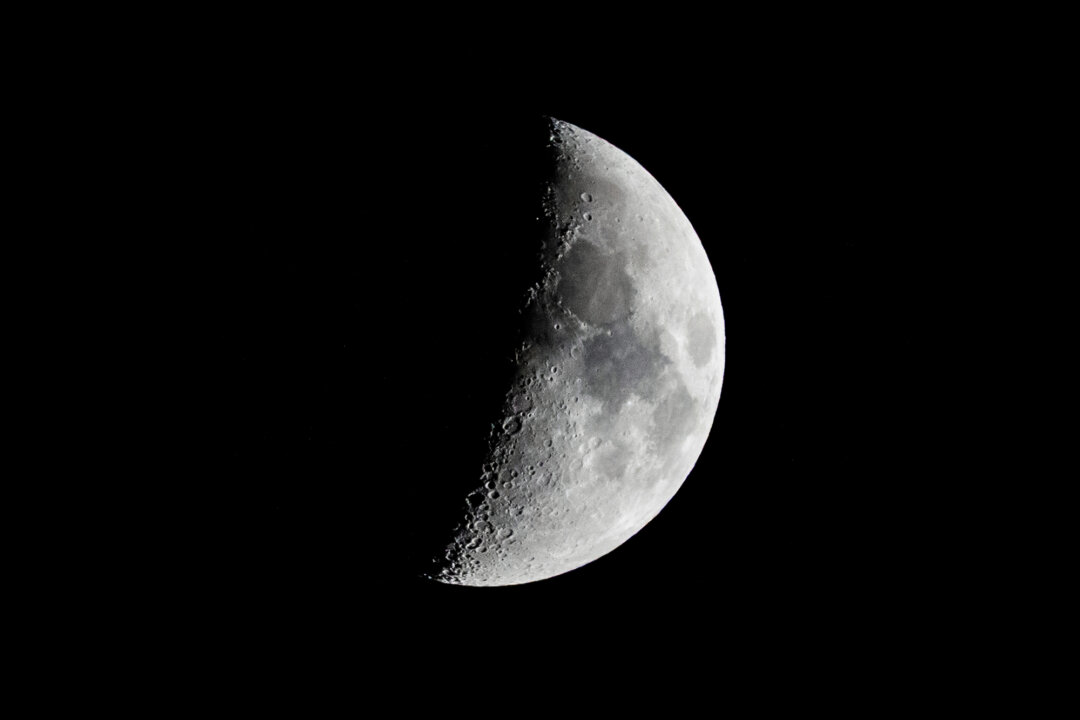
A drifting SpaceX rocket booster is on course to crash into the moon this week.




9
Articles
9
Sources
Coverage mix
The reporting
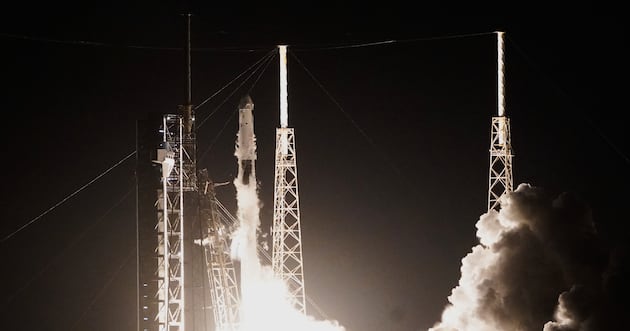
A discarded SpaceX Falcon 9 second stage is expected to strike the moon around 2:35 a.m. ET Wednesday, hitting the lunar surface at about 5,400 mph. The roughly 4-metric-ton, school-bus-size rocket body launched January 15, 2025, carrying Firefly Aerospace’s Blue Ghost lander and Ispace’s Resilience lander before being left in space. The impact poses no danger to Earth but is expected to excavate a new crater near Einstein Crater and could loft debris for scientific observation.
Analysis & opinion
Impact ObservationsLeft & Center
The lunar impact is expected to produce physical effects such as a crater and a debris plume that scientists may be able to study. The crash itself probably will not be visible from Earth, but the material thrown above the surface could provide observable clues about the collision.


Get tomorrow's edition
Every side, every morning — free in your inbox.