

Cornell Faculty Move Toward No-Confidence Vote
The Faculty Senate advances a no-confidence resolution as protests intensify.
4 left6 center8 right
Updated 11:26am ETEvery side, every morning
A free recap of the day’s biggest stories and how each side covered them.
What happened
Cornell faculty senators introduced a no-confidence resolution criticizing the administration’s handling of the sexual-assault crisis, with a vote set for October 14. Cornell police had drafted letters to Verizon and T-Mobile asking them to preserve phone-account data for the investigation, but it is unknown whether they were sent or pursued. A former student identified as Jane Doe alleges seven Chi Phi fraternity members sexually assaulted her while she was impaired; the men deny wrongdoing, with some calling the activity consensual and others denying involvement. Hundreds have protested, while Cornell President Michael Kotlikoff said the university is not hiding anything. The state review and local criminal investigation remain ongoing.
How each side covered it
From the left
Left-leaning outlets framed the vote push as a campus confidence crisis, emphasizing pressure on Cornell leaders rather than doubts about the underlying allegation. CNN highlighted no-confidence votes as a formal sign that a group has lost faith in leadership. The Daily Beast focused on Megyn Kelly’s comments as a personal attack on the alleged victim. The Boston Globe tied Cornell to broader university leadership failures.
From the right
Right-leaning outlets framed Cornell as facing an accountability crisis, while giving more space to political and evidentiary skepticism. The Daily Mail emphasized accusations that Cornell’s leadership mishandled the investigation. Fox News focused on partisan backlash over efforts to connect the episode to Trump. The Federalist stressed doubts about consent, intoxication and credibility in Doe’s account.
Headlines
Left4


 Megyn Kelly Launches Sick Attack on Alleged Cornell Gang Rape Victim
 What the ‘Cornell Seven’ story and Harvard’s Claudine Gay fiasco have in common - The Boston Globe
Center6
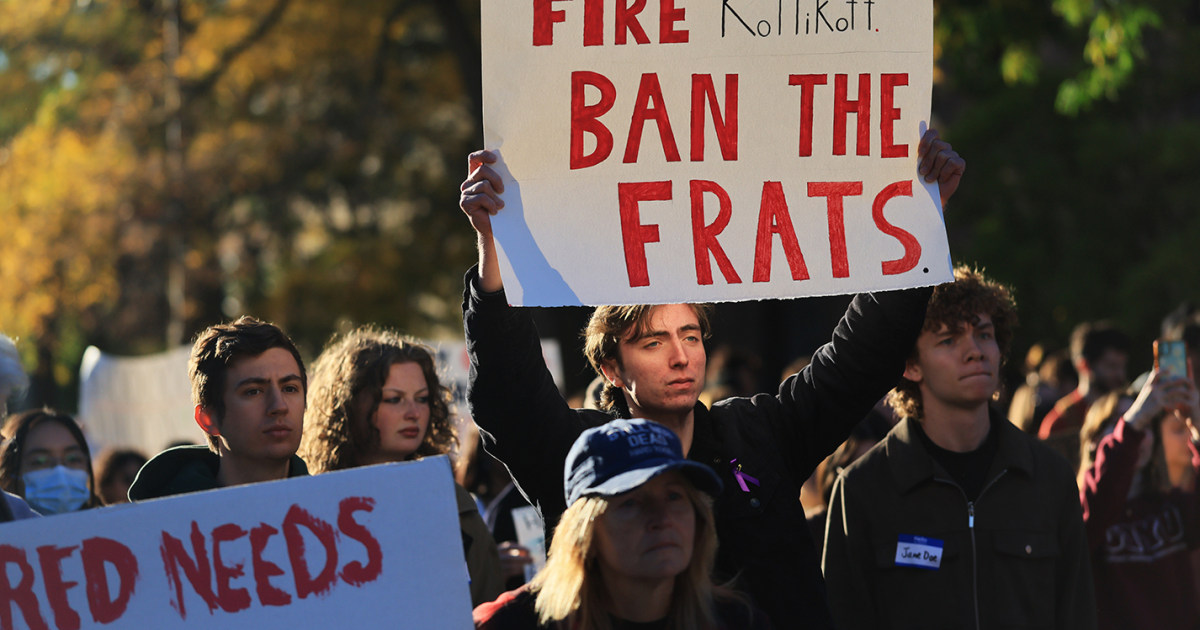
 Cornell students protest, buildings sprayed with graffiti as backlash grows
 Cornell protests grow as faculty prepares rare no-confidence vote
 The Rage at Cornell: ‘Rapists Still Walk Among Us’
 Protest at Cornell University calls for president, administration to step down
 A crowd of students protests Cornell’s response to gang rape complaint
Right8
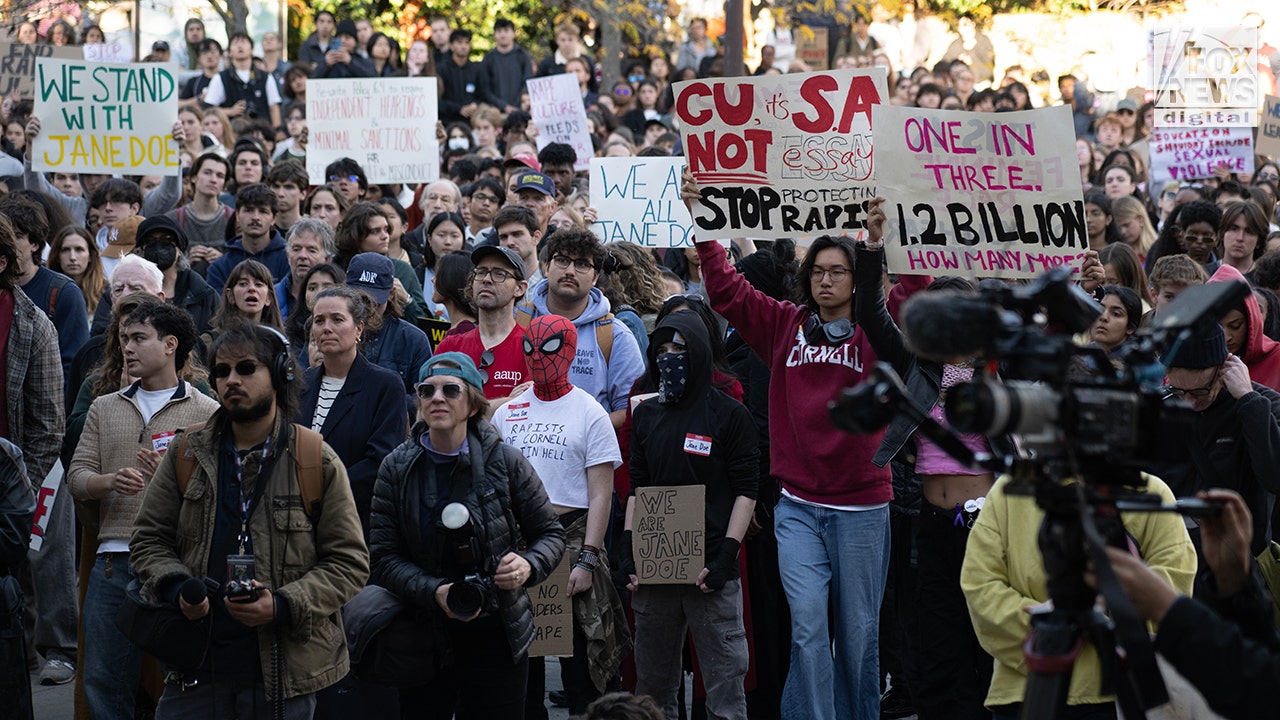
 ‘Cornell 7’ frat brother apologizes to Jane Doe about ‘backlash’ in newly obtained phone call
 New Cornell 7 mystery after cops requested phone records
 Nolte: Cornell Frat Bro Claims He Was Too Intoxicated to Consent, Jane Doe Assaulted Him
 Even Jane Doe's Story About The Cornell 7 Is A Bad Look For Her
 NYT columnist thrashed online for suggesting Trump is to blame for alleged Cornell gang rape
Also today
All of today's stories →- 1Siberia Plague Lab Worker DiesBalancedBalanced74articles
- 2Balanced51articles
- 3Balanced40articles
- 4Karoline Leavitt Joins FoxBalancedBalanced29articles
- 5Cornell Building VandalizedBalancedBalanced28articles
- 6Caleb Flynn Gets Life SentenceBalancedBalanced24articles